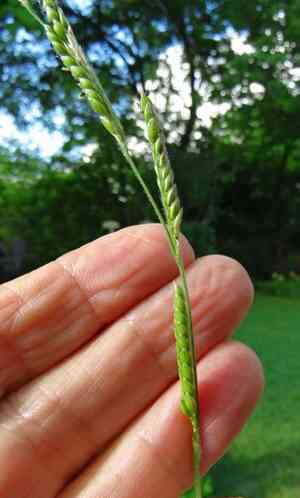
Texas cup grass (Eriochloa sericea)
Also known as: Silky Cupgrass
This perennial grass, reaching heights of up to 1.07 meters, typically forms dense tufts. Naturally found on prairie landscapes, it thrives in rocky, loamy soils. It serves as an excellent grazing option for livestock, tolerating moderate grazing but not excessive pressure.
In This Article
Attributes of Texas cup grass
Lifespan
Perennial
Plant Type
Grass
Plant Height
30 cm to 91 cm
Spread
15-30 cm
Leaf Color
Green Blue
Flower Size
Small, about 1-2 cm
Flower Color
Greenish or light-colored
Images of Texas cup grass


Quickly Identify Texas cup grass
1
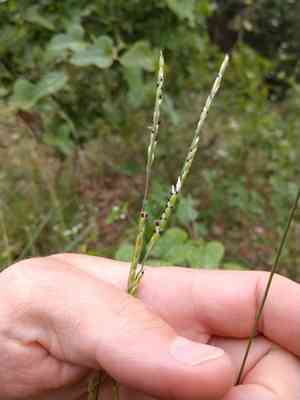
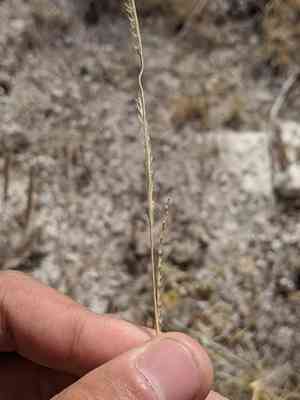
Eriochloa sericea can be identified by its silky leaves and stems, which give the plant a distinctive soft texture. The seed heads are cup-like, which is a key identifying feature. Leaves are typically green with a silky sheen, and the stems are erect and can be slightly branched.
Scientific Classification of Texas cup grass
Phylum
Vascular plants
Class
Monocotyledons
Order
Poales
Family
Grass
Genus
Cupgrasses
Species
Texas cup grass
Planting and Growing of Texas cup grass
Care Difficulty
Easy
Watering Schedule
Every 2 days
Sunlight Requirements
Full sun
Sunshine Duration
6-10 hours
Ideal Temperature
68-86℉
Soil Type
Potting Mix, Peat Mix
Soil pH
6.5-7.5
Fertilizer Type
Balanced
Pruning Season
Spring, Summer
Pruning Area
Branches, Leaves
Pruning Frequency
2 times a year
Repotting Season
Spring
Pot Type
Plastic, Ceramic
 How to Water Texas cup grass?
For Eriochloa sericea, ensure the soil is moist but not soggy. Watering with about 500 milliliters per session allows the water to reach the roots efficiently without waterlogging. The goal is to keep the soil consistently damp, mimicking the plant's natural environment.
What are the symptoms of an underwatered Texas cup grass?
›
What should I do if my Texas cup grass is not getting enough water?
›
What are the symptoms of an overwatered Texas cup grass?
›
How to save an overwatered Texas cup grass?
›
 What Are the Sunlight Requirements for Texas cup grass?
Eriochloa sericea thrives in full sun but can tolerate partial sun conditions. Ideal illumination improves flowering, chlorophyll production, and drought tolerance, positioning it as a resilient garden choice.
How much sunlight does Eriochloa sericea need?
›
What are the solutions to provide ideal lighting?
›
What are the benefits of receiving ideal lighting?
›
 What Is the Ideal Temperature Range for Texas cup grass?
The ideal temperature range for Eriochloa sericea is between 68°F and 86°F. This range provides optimal conditions for growth and development. Within this range, the plant can maximize photosynthesis, leading to healthy and robust growth. Maintaining consistent temperatures within this ideal range helps ensure that the plant's metabolic processes, such as respiration and nutrient absorption, function effectively.
 What Soil is Best for Texas cup grass?
Eriochloa sericea thrives in well-draining soil to prevent root rot. This benefit enables the plant to absorb nutrients efficiently, promoting vigorous growth and establishing a healthy root system. The plant benefits from a nutrient-rich soil composition, enhancing overall plant health and increasing resistance to diseases and pests. Its foliage becomes lush and green with adequate nutrients. Moderate moisture retention is crucial, as it keeps the soil moist without waterlogging. This balance prevents dehydration while ensuring essential minerals remain readily available for plant uptake.
 How to Fertilize Texas cup grass?
For Eriochloa sericea, apply a balanced fertilizer at half the recommended strength to avoid nutrient burn. The goal is to provide steady, moderate nutrition and avoid excessive application that could harm plant growth. Choose a fertilizer with an NPK ratio close to 10-10-10.
 How to Prune Texas cup grass?
Start by identifying dead or damaged stems. These should be the first to go as they take up resources and contribute little to the plant's overall health. When cutting the stems, ensure you're doing so at a 45-degree angle. This angle promotes better regrowth and prevents water accumulation on the cuts.
More About Pruning Techniques→
 How to Propagate Texas cup grass plant?
1
Fill the seed trays with the sterile potting mix, leaving about a centimeter from the top. Ensure the mix is evenly spread and slightly moistened.
2
Scatter the seeds evenly over the potting mix surface. lightly press them into the soil without completely covering them. Mist the seeds gently to settle them in place.
3
Place the seed trays in a warm location with indirect sunlight. Cover the trays with a clear plastic lid or film to maintain humidity but ensure it is ventilated to prevent mold growth.
 How to Repot Texas cup grass plant?
1
Monitor Eriochloa sericea for signs of restricted growth, such as roots emerging from drainage holes or stunted growth. Spring and summer are ideal seasons for repotting as the plant is in a vigorous growth phase, allowing it to recover swiftly from any disturbance.
2
Select a pot that's one size larger than the current one with drainage holes to prevent waterlogging. A slightly wider pot allows space for root expansion and reduces the risk of overcrowding, thereby promoting vigorous growth and greater stability.
3
Opt for a well-draining sandy loam as it retains moisture without becoming waterlogged, giving Eriochloa sericea the perfect balance of nutrients and drainage. This type of soil mimics its natural habitat, reducing stress and fostering healthy root development.



