How to Transplant Philadelphia fleabane?
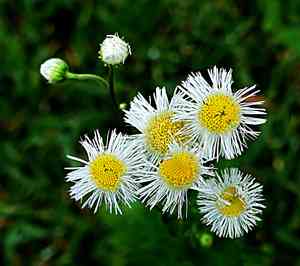
The optimal period for relocating philadelphia fleabane is during the peak of summer's heat, which aids in solidifying its root system. Select locations that receive abundant sunlight and possess adequate drainage. Carefully loosen the earth surrounding philadelphia fleabane to facilitate its move.
What Preparations are Needed Before Transplanting Philadelphia Fleabane?
What is the Ideal Time for Transplanting Philadelphia Fleabane?
Relocate philadelphia fleabane during the transition from early to mid-summer for optimal root development prior to colder weather. This period supports vigorous growth, leading to a strong plant.
How Much Space Should You Leave Between Philadelphia Fleabane Plants?
For philadelphia fleabane, aim for a separation of approximately 1-2 feet (30-60 cm) between each plant when moving them. This spacing allows ample room for healthy expansion and development. Enjoy your gardening!
What is the Best Soil Mix for Philadelphia Fleabane Transplanting?
Prepare the planting area for philadelphia fleabane with soil that drains well. Mix in compost or other organic matter to boost soil fertility. A basic starter fertilizer can also be added to encourage strong growth.
Where Should You Relocate Your Philadelphia Fleabane?
Philadelphia fleabane thrives in locations with partial to full sun exposure. Select a garden spot that receives about 6 hours of sunlight daily. However, shield it from intense midday sun. It will appreciate this care!
What Equipments Should You Prepare Before Transplantation Philadelphia Fleabane?
Gardening Gloves
These are crucial for protecting your hands while working in the soil and handling the philadelphia fleabane plant.
Gardening Trowel
This tool will be used to excavate the philadelphia fleabane plant from its original spot, ensuring its root system stays intact.
Gardening Spade
A digging tool will prove useful for creating the new hole for the philadelphia fleabane plant.
Watering Can
Utilizing a watering can will help you supply the essential moisture that young philadelphia fleabane plants require to establish themselves in the new soil after relocation.
Organic Compost
While soil types and fertilizers were mentioned earlier, it's worth noting that a good amount of organic compost will enrich the new soil for the philadelphia fleabane plant.
Mulch
Mulch is necessary to retain soil moisture and regulate soil temperature following transplantation.
How Do You Remove Philadelphia Fleabane from the Soil?
How Do You Remove Philadelphia Fleabane from the Soil?
From Ground: Hydrate the philadelphia fleabane plant several hours before moving it. This softens the earth, making excavation easier. Dig a wide circle around the philadelphia fleabane plant with a trowel to keep the root ball whole. Once the root base is visible, carefully work your trowel beneath the root ball and gently lift the plant from the ground.From Pot: Begin by watering the potted philadelphia fleabane plant. The soil should be moist but not saturated. Tilt the pot sideways and gently tap all around to loosen the plant. Remove by holding the base, avoiding pulling on stems or leaves. Be cautious to prevent damage to the root system.From Seedling Tray: Moisten the seedling tray before extracting the philadelphia fleabane plant. Push up from the bottom of each cell to release the plant. Handle seedlings by their leaves to avoid harming delicate stems and roots.
Step-by-Step Guide for Transplanting Philadelphia Fleabane
Preparation
Gather all necessary tools and prepare the transplanting site. Clear any debris and dig a hole roughly twice as wide and slightly deeper than the root ball of your philadelphia fleabane plant.
Transfer
Hold the philadelphia fleabane plant at its base near the soil line. Lower the plant into the center of the hole. The top of the root ball should be even with or slightly below the soil surface.
Planting
Refill the hole with a mix of the excavated soil and compost, gently firming the soil around the base of the philadelphia fleabane plant.
Watering
Water the philadelphia fleabane plant immediately after transplanting. This helps settle the soil around the roots and aids in reducing transplant shock for the plants.
Mulching
Apply a thin layer of mulch around the plant's base, leaving a small gap closest to the stem to prevent rot.
How Do You Care For Philadelphia Fleabane After Transplanting?
Watering
After relocating, keep the soil around the philadelphia fleabane slightly damp but avoid overwatering. Water slowly and deeply, allowing moisture to reach the deeper roots.
Observation
Closely monitor the philadelphia fleabane plant for a few weeks. Look for signs of transplant shock, such as wilting leaves or a lack of new growth. If observed, do not be alarmed, as this can be normal.
Pruning
Lightly prune the philadelphia fleabane plant after transplanting. This encourages the plant to prioritize developing strong roots over growing leaves and flowers.
Troubleshooting Common Issues with Philadelphia Fleabane Transplantation.
When is the perfect time to transplant philadelphia fleabane?
The optimal period to transplant philadelphia fleabane is during the fourth or fifth season. This maximizes the plant's survival by ensuring the best possible growth conditions.
What are the key steps in the transplanting process of philadelphia fleabane?
Identify the best location, prepare the potting mixture, dig a hole about 2-3 times wider than the root ball, center the plant, backfill with soil mix, water generously to settle the soil, and reapply mulch.
What's the ideal spacing between philadelphia fleabane plants when transplanting?
Maintain a distance of 1-2 feet (30-60 cm) between philadelphia fleabane plants to ensure optimal growth and prevent overcrowding.
What should I do if philadelphia fleabane shows signs of transplant shock?
Transplant shock can be managed by providing adequate water, ensuring proper drainage, shielding from direct sunlight, and potentially using anti-stress products, though consulting a nursery professional is advised.
What sort of soil is best when transplanting philadelphia fleabane?
Philadelphia fleabane thrives in well-drained soil. For optimal growth, consider enriching the soil with organic matter or compost before transplanting to boost its fertility.
How many hours of sunlight do philadelphia fleabane plants need post-transplant?
After transplantation, philadelphia fleabane typically requires about 6-8 hours of sunlight daily. This ensures sufficient photosynthesis for proper development.
Can I transplant philadelphia fleabane indoors? If so, which places are optimum?
Absolutely! Philadelphia fleabane can be moved indoors, ideally near a south-facing windowsill. This ensures the plant receives enough sunlight for its growth and blooming.
How much water should I give philadelphia fleabane after transplanting?
Water philadelphia fleabane generously after transplanting to settle the soil around the roots. Afterward, ensure the soil remains moist but never waterlogged. Excessive watering can lead to root rot.
How do I know if my philadelphia fleabane plant has rooted successfully after transplanting?
Signs of successful rooting in philadelphia fleabane include new growth, the appearance of flower buds, and the plant remaining healthy and vibrant. A lack of wilting leaves is also a positive indicator.
Should I feed my philadelphia fleabane plant after transplanting? If so, what should I use?
Yes, nourish the philadelphia fleabane plant after transplanting to help it establish safely. Use a balanced plant food or compost tea. Avoid over-fertilizing, as it can harm the plant.



