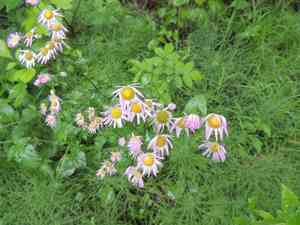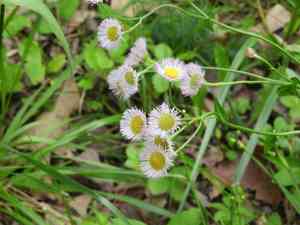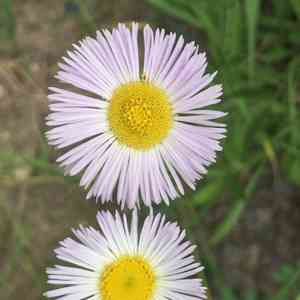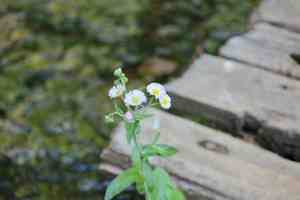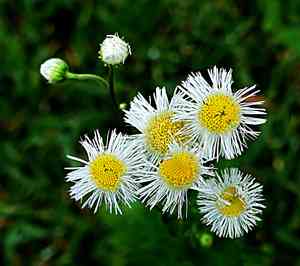
Philadelphia fleabane(Erigeron philadelphicus)

Philadelphia fleabane (Erigeron philadelphicus)

Also known as: Robin's plantain, Skervish

Erigeron philadelphicus, often referred to as Philadelphia fleabane or fleabane daisy, is a biennial or perennial herb. It commonly grows in meadows, fields, woodlands, and along roadsides across North America. Additionally, it has been introduced to Europe and Asia, where it is sometimes considered invasive.

Attributes of Philadelphia fleabane

Lifespan
Biennial, Perennial, Annual
Plant Type
Herb
Plant Height
15 cm to 76 cm
Spread
30 cm
Leaf Color
Green
Flower Size
2.5 cm
Flower Color
White Yellow Pink

ForwardPlant - Identify plants with a snap

Identify and diagnose plants, get toxicity alerts, and explore safety guides for all types of fungi.

Try for Free

Images of Philadelphia fleabane

Philadelphia fleabane(Erigeron philadelphicus)

Quickly Identify Philadelphia fleabane

1
To identify Erigeron philadelphicus, look for its hairy stems and leaves, which are lance-shaped, and the presence of daisy-like flowers with narrow petals. The flowers are typically pale pink to white and have yellow centers. The plant can grow up to 75 cm in height.

Scientific Classification of Philadelphia fleabane

Phylum
Vascular plants
Class
Dicotyledons
Order
Asterales
Family
Daisy
Genus
Fleabanes
Species
Philadelphia fleabane

Planting and Growing of Philadelphia fleabane

Care Difficulty
Easy
Watering Schedule
Every 4 days
Sunlight Requirements
Partial sun
Sunshine Duration
6-10 hours
Ideal Temperature
60-75℉
Soil Type
Potting Mix, Peat Mix
Soil pH
6.5-7.5
Fertilizer Type
Balanced
Pruning Season
Spring, Summer
Pruning Area
Branches, Leaves
Pruning Frequency
2 times a year
Repotting Season
Spring
Pot Type
Plastic, Ceramic

water icon How to Water Philadelphia fleabane?

For Erigeron philadelphicus, it's essential to maintain moist but well-draining soil. Water the plant thoroughly until the soil is saturated to about 1 inch deep, ensuring excess water can drain away to avoid root rot.
What are the symptoms of an underwatered Philadelphia fleabane?
What should I do if my Philadelphia fleabane is not getting enough water?
What are the symptoms of an overwatered Philadelphia fleabane?
How to save an overwatered Philadelphia fleabane?

sunlight icon What Are the Sunlight Requirements for Philadelphia fleabane?

Sunlight Requirements: Partial sun, Full sun
Duration of light: 4-8 hours daily
Erigeron philadelphicus thrives in partial to full sun with 4 to 8 hours of sunlight daily. Adequate lighting encourages robust flowering and resilience against pests.
What is the best lighting condition for Erigeron philadelphicus?
How can I achieve the ideal lighting conditions?
What benefits does ideal lighting provide to Erigeron philadelphicus?

temperature icon What Is the Ideal Temperature Range for Philadelphia fleabane?

Ideal Temperature: 60 ~ 75℉
The ideal temperature range of 60°F to 75°F helps ensure optimal growth. It supports the plant's metabolic processes and encourages robust floral development. Consistent exposure to this range allows for effective photosynthesis, promoting healthy and vibrant blooms.

soil icon What Soil is Best for Philadelphia fleabane?

Soil type: Sandy loam, Loam
Soil PH: 6.5 ~ 7.5
Erigeron philadelphicus thrives in well-drained soils, which prevent waterlogging and root rot. Adequate drainage helps the plant absorb nutrients efficiently, promoting healthy growth and vibrant blooms. This plant prefers soils with moderate fertility, allowing it to access essential nutrients without overwhelming its root system. Balanced fertility supports lush foliage and robust flowering. While Erigeron philadelphicus dislikes excessively wet soils, it benefits from soils that can retain some moisture. This balance ensures the roots remain hydrated without being submerged, aiding consistent growth.

fertilize icon How to Fertilize Philadelphia fleabane?

Fertilizer type: Balanced
Erigeron philadelphicus, commonly known as Philadelphia fleabane, typically requires moderate fertilization. Use a balanced 10-10-10 liquid fertilizer, diluting it to half-strength. For solid, or slow-release fertilizers, use about 1/4 cup per plant annually, focusing on maintaining nutrient balance without overloading the soil.

prune icon How to Prune Philadelphia fleabane?

Pruning Time: Spring, Summer, Autumn
When pruning Erigeron philadelphicus, start by identifying any dead or diseased stems. Use a clean, sharp pair of pruning shears to cut back these parts to encourage new growth and maintain plant health. Focus on maintaining the plant’s natural shape, making cuts just above a healthy leaf node for optimal regrowth.

propagate icon How to Propagate Philadelphia fleabane plant?

Propagate Time: Spring, Early spring, Late spring
1
Prepare the seeds by soaking them in warm water for 24 hours to enhance germination rates. This process can soften the seed coat and accelerate sprouting for Erigeron philadelphicus.
2
Cut healthy, disease-free stems about 3-4 inches long. Remove any leaves from the lower half of the cutting to prevent rotting when placed in soil or water.
3
Divide the root ball of a mature plant using a sharp spade or knife, ensuring each section has roots and shoots. This promotes new growth and is effective for creating new plants.

repot icon How to Repot Philadelphia fleabane plant?

Repotting frequency: Once a year
1
Erigeron philadelphicus signals its need for repotting when its roots begin to outgrow the current pot, often becoming visible through drainage holes. Additionally, the plant may exhibit stunted growth or frequent wilting despite regular watering. The best time to repot is during the growing seasons of spring or early summer, aligning with the natural growth cycle and reducing transplant shock.
2
Opt for a pot that is 1 to 2 inches larger in diameter than the current one to provide enough space for root expansion without overwhelming the plant. Ensure the pot has sufficient drainage holes to prevent water logging, which is crucial for the health of Erigeron philadelphicus. A well-draining pot contributes to a healthy root system, promoting robust plant growth and vigor.
3
Select a well-draining potting mix enriched with organic matter such as peat or compost. This blend offers ideal moisture retention balanced with excellent drainage, preventing root rot. The organic content helps retain essential nutrients, providing a fertile environment for Erigeron philadelphicus to thrive post-repotting.

ForwardPlant - Identify plants with a snap

Find the best spots for them to optimize their health, simply using your phone.

Try for Free

Toxicity of Philadelphia fleabane

Is Philadelphia fleabane toxic to cat?

Philadelphia fleabane is considered to possess mild toxicity for cats. If felines consume excessive quantities of this plant, they can experience poisoning. All parts of the philadelphia fleabane plant carry the risk of harm, thus necessitating caution. The mild toxicity implies that symptoms may present as assorted signs of physical discomfort; however, these symptoms are unlikely to be significantly severe. It is crucial for cat owners to observe their pets for any atypical behaviors or signs of sickness and to promptly seek veterinary assistance if there is a suspicion of poisoning, as this is vital for the animal's wellbeing.

Is Philadelphia fleabane toxic to dog?

Philadelphia fleabane is regarded as possessing mild toxicity for dogs. If they consume this plant in significant amounts, dogs may experience poisoning. Each part of philadelphia fleabane – including the leaves, stems, flowers, and roots – is deemed toxic, indicating that the ingestion of any component of the plant could result in poisoning. Symptoms such as gastrointestinal distress or skin irritation may manifest if a dog ingests philadelphia fleabane. It is vital for dog owners to keep a watchful eye on their pets and prevent them from eating plants identified as toxic. Should a dog consume philadelphia fleabane, it is imperative to seek immediate medical attention at a veterinary clinic to safeguard the animal's health and well-being.

Identify toxic plants for your safety

Learn which plants are harmful to you and your pets, and make informed choices for a safer home!

Try for Free
WARNING
The judgment on toxicity and danger is for reference only. We DO NOT GUARANTEE any accuracy of such judgment. Therefore, you SHALL NOT rely on such judgment. It is IMPORTANT TO SEEK PROFESSIONAL ADVICE in advance when necessary.
More About Toxic Techniques