How to Transplant Parry's rabbitbrush?
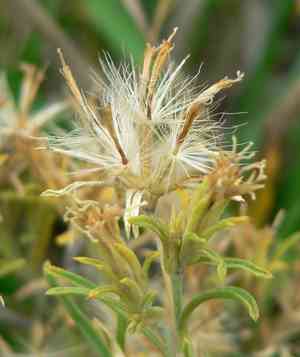
Parry's rabbitbrush flourishes when relocated from early to late spring, allowing the ground to warm and roots to anchor prior to the summer's intense heat. Select a bright, adequately drained spot for peak development. Gentle handling and limited disruption will guarantee successful integration.
Essential Preparations Before Relocating Parry's Rabbitbrush?
When is the Best Time to Move Parry's Rabbitbrush?
The ideal period for relocating parry's rabbitbrush, a perennial, spans from early to late spring. This timeframe enables parry's rabbitbrush to establish its root system prior to summer's heat. Transplanting then promotes strong root development and plant vitality, ensuring vigorous growth and better adaptation to its new setting under favorable conditions.
What Distance Should Be Maintained Between Parry's Rabbitbrush Specimens?
For optimal development, parry's rabbitbrush should be positioned approximately 24-36 inches (61-91 cm) apart. This spacing guarantees adequate air circulation, lessens nutrient competition, and aids in preserving plant health.
What is the Recommended Soil Blend for Parry's Rabbitbrush Relocation?
Prepare well-draining soil, combining sand, silt, and clay. Incorporate a foundational fertilizer rich in phosphorus to encourage root growth. A balanced 10-10-10 fertilizer is a suitable option.
Where Should You Replant Your Parry's Rabbitbrush?
Parry's rabbitbrush thrives in full sun, so select a spot that receives at least 6-8 hours of direct sunlight daily. This will help the plant flourish and maintain its vibrant coloration.
What Tools Are Needed Before Transplanting Parry's Rabbitbrush?
Gardening Gloves
To safeguard your hands while handling soil and the plant.
Shovel or Spade
For digging around and lifting the parry's rabbitbrush from its original spot.
Watering Can or Hose
For hydrating before and after the transplanting process.
Trowel
For more precise digging and assisting with placement in the new location.
Pruning Shears
To trim any damaged roots or excess foliage.
Mulch
To help retain soil moisture post-transplant.
Stakes and Ties
To provide support for the parry's rabbitbrush if necessary, after relocation.
How to Extract Parry's Rabbitbrush from the Ground?
How to Extract Parry's Rabbitbrush from the Ground?
From Ground: First, water the parry's rabbitbrush plant to moisten the soil. Next, dig a wide trench around the plant using a shovel or spade, ensuring the plant's root ball remains intact. Carefully work the spade beneath the root ball to lift the plant from its initial position.From Pot: Water the parry's rabbitbrush thoroughly to loosen the soil. Gently hold the plant at its base and tilt the pot sideways while tapping the edges. Slowly slide the plant out with its root ball, taking care not to harm the roots.From Seedling Tray: Water the parry's rabbitbrush seedlings to facilitate removal. Use a trowel or your fingers to gently lift the seedlings from the tray, ensuring to support the root ball and handle by the stem's base to prevent damage.
Detailed Guide for Relocating Parry's Rabbitbrush
Preparation
Gather all necessary tools and select the new site for your parry's rabbitbrush plant. Ensure it meets the plant's requirements.
Excavate a New Hole
Dig a hole in the chosen location that is twice the width of the root ball and slightly deeper than the existing root system.
Transplanting
Place the parry's rabbitbrush into the new hole, ensuring it sits at the same depth as it did in its previous spot. Backfill the hole around the root ball with soil, gently pressing to eliminate air pockets.
Watering
Thoroughly water the parry's rabbitbrush to help settle the soil and minimize transplant shock.
Mulching
Apply a layer of mulch around the base of the parry's rabbitbrush to conserve soil moisture and regulate temperature.
Support
If required, use stakes and ties to provide stability for the parry's rabbitbrush plant in its new environment.
Post-Transplant Care for Parry's Rabbitbrush
Watering
Keep the soil around the parry's rabbitbrush consistently damp, but not waterlogged, for the initial weeks after transplanting to aid in root establishment.
Monitoring
Observe the parry's rabbitbrush for indications of transplant shock, such as wilting or leaf drop. Provide extra attention during these early weeks.
Pruning
Remove any dead or damaged foliage to encourage new growth and lessen stress on the plant.
Protection
Consider using protective barriers to shield the parry's rabbitbrush from strong winds or direct sun while it acclimates to its new location.
Addressing Common Issues During Parry's Rabbitbrush Transplantation.
What is the optimal time to move parry's rabbitbrush?
Relocate parry's rabbitbrush from early spring to late spring for the highest chance of success.
How much space should I allow between parry's rabbitbrush when transplanting?
Space parry's rabbitbrush plants 24-36 inches (60-91 cm) apart to facilitate proper growth.
What soil conditions does parry's rabbitbrush prefer?
Parry's rabbitbrush thrives best in well-draining soil with a pH between 6.5 and 7.5.
How should I prepare the soil for parry's rabbitbrush?
Loosen the soil to a depth of 12 inches (30 cm) and incorporate compost.
How much should I water parry's rabbitbrush after transplanting?
Water parry's rabbitbrush thoroughly post-transplant and maintain consistent moisture without saturating the soil.
How can I prevent transplant shock in parry's rabbitbrush?
Water parry's rabbitbrush well before and after transplanting, and offer shade for the initial few days.
What action should I take if parry's rabbitbrush wilts after transplanting?
Ensure adequate watering and consider using a transplant fertilizer to support recovery.
Should I trim parry's rabbitbrush before transplanting?
Prune dead or damaged branches prior to transplanting to reduce stress on the plant.
How deep should I plant parry's rabbitbrush during transplanting?
Plant parry's rabbitbrush at the same depth it was previously growing, ensuring the roots are covered.
What should I do if roots are damaged during transplanting parry's rabbitbrush?
Trim any damaged roots with clean scissors and plant parry's rabbitbrush with care to minimize shock.



