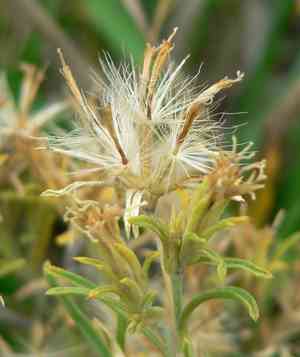
Parry's rabbitbrush (Ericameria parryi)
Also known as: Rough rabbitbrush, Vulcan rabbitbrush, Wideleaf rabbitbrush
Ericameria parryi, also known as Parry's rabbitbrush, is a flowering plant in the aster family. It is found across various regions in the western United States.
In This Article
Attributes of Parry's rabbitbrush
Lifespan
Perennial
Plant Type
Shrub
Plant Height
30-90 cm (1-3 feet)
Spread
60-90 cm (2-3 feet)
Leaf Color
Silvery-gray
Flower Size
0.5-1 cm (0.2-0.4 inches)
Flower Color
Yellow
Images of Parry's rabbitbrush
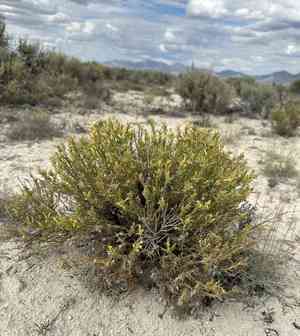
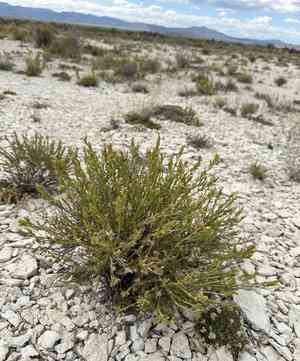
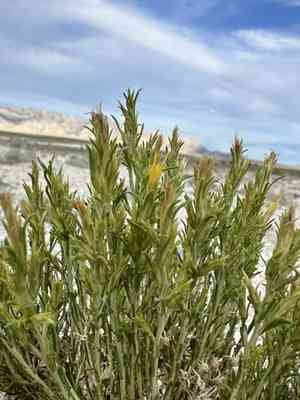
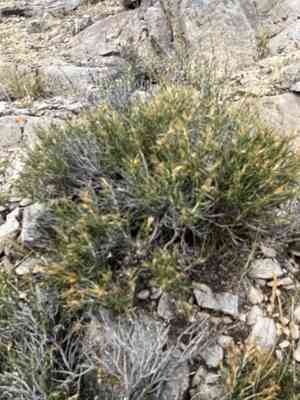
Quickly Identify Parry's rabbitbrush
1
Look for a shrub with silvery-gray narrow leaves and clusters of yellow flowers. The plant typically grows in arid, rocky areas.
Scientific Classification of Parry's rabbitbrush
Phylum
Vascular plants
Class
Dicotyledons
Order
Asterales
Family
Daisy
Genus
Goldenbushes
Species
Parry's rabbitbrush
Planting and Growing of Parry's rabbitbrush
Care Difficulty
Moderate
Watering Schedule
Every 2 days
Sunlight Requirements
Full sun
Sunshine Duration
4-8 hours
Ideal Temperature
60-75℉
Soil Type
Potting Mix, Peat Mix
Soil pH
6.5-7.5
Fertilizer Type
Balanced
Pruning Season
Spring, Summer
Pruning Area
Branches, Leaves
Pruning Frequency
2 times a year
Repotting Season
Spring
Pot Type
Plastic, Ceramic
 How to Water Parry's rabbitbrush?
Ericameria parryi thrives with a watering strategy that mimics its native arid environment. Each watering should provide approximately 500 ml of water, ensuring the soil is soaked but not waterlogged. It's important to let the top 2 inches of soil dry out between waterings to prevent root rot.
What are the symptoms of an underwatered Parry's rabbitbrush?
›
What should I do if my Parry's rabbitbrush is not getting enough water?
›
What are the symptoms of an overwatered Parry's rabbitbrush?
›
How to save an overwatered Parry's rabbitbrush?
›
 What Are the Sunlight Requirements for Parry's rabbitbrush?
Ericameria parryi flourishes under full sun conditions with ideal exposure of 6-8 hours daily. Such exposure ensures healthy growth and beautiful blooming.
How much sunlight does Ericameria parryi ideally need?
›
What solutions can be implemented to ensure ideal sunlight conditions?
›
What benefits does Ericameria parryi experience under ideal sunlight conditions?
›
 What Is the Ideal Temperature Range for Parry's rabbitbrush?
Ericameria parryi thrives best within a temperature range of 60 to 75°F. This range ensures optimal metabolic activities and healthy growth patterns. Consistent warmth aids in the plant's overall development, supporting robust foliage and vibrant flowering.
 What Soil is Best for Parry's rabbitbrush?
Ericameria parryi thrives in soils that provide excellent drainage. Poorly drained soils can lead to root rot, which is detrimental to the plant's health. Ensuring proper drainage helps the plant avoid waterlogging and grow vigorously. This plant is capable of surviving in nutrient-poor soils. It does not demand rich organic matter, making it ideal for rugged terrains where other species might struggle. This adaptability allows Ericameria parryi to be a resilient choice for different landscape projects. While tolerant of dry conditions, Ericameria parryi still requires moderate moisture levels to encourage growth and flowering. Consistent yet controlled watering ensures the plant maintains its ornamental and ecological value.
 How to Fertilize Parry's rabbitbrush?
For Ericameria parryi, it is best to use a balanced, diluted fertilizer solution containing equal parts of nitrogen, phosphorus, and potassium. Use approximately 1 tablespoon of liquid fertilizer per gallon of water for a more precise application.
 How to Prune Parry's rabbitbrush?
Look for dead, damaged, or diseased branches. Also identify any crossing branches or those that disrupt the plant's natural shape for removal. Cut branches at a 45-degree angle, about a quarter inch above a healthy bud, leaving the plant open to air circulation and new growth without lingering stubs. Prune sparingly to achieve a natural-looking shrub. Ericameria parryi benefits from subtle shaping rather than drastic cutbacks that could interfere with blooming.
 How to Propagate Parry's rabbitbrush plant?
1
Gather seeds from mature Ericameria parryi plants in late summer when they are most viable. Ensure that the seeds are completely dry before storage to prevent mold.
2
Choose a healthy stem and cut a 4-6 inch section during early summer. Remove the lower leaves and dip the cut end in rooting hormone before planting.
3
For division propagation, carefully dig up the plant in early spring and separate it into smaller clumps, ensuring each clump has adequate roots before transplanting.
 How to Repot Parry's rabbitbrush plant?
1
Ericameria parryi signals the need for repotting when roots start circling the pot's interior or growing through drainage holes. The plant might also exhibit stunted growth or reduced flowering. These indicators show that the current pot is too small, which restricts root growth and nutrient uptake, so selecting an appropriate time in spring or autumn is ideal for repotting to minimize stress.
2
When selecting a new pot for Ericameria parryi, choose one that is one or two sizes larger than the current pot. A pot with ample drainage holes is essential to prevent waterlogging, which can lead to root rot. The new pot should provide enough space for root expansion without being too large, as excessive soil can retain too much moisture.
3
The ideal soil for repotting Ericameria parryi is a well-draining sandy mix. This type of soil ensures proper aeration and prevents excessive water retention, which can be detrimental to the plant's roots. A sandy mix closely mimics the plant's natural habitat, promoting healthier root development and growth.
Learn More About Parry's rabbitbrush Diseases
Anthracnose
Bacterial Leaf Spot
Bacterial Soft Rot
Bacterial Wilt
Black Spot
Chemical Injury
Crown Gall
Cyst Nematode
Damping-off
Downy Mildew
Drought Stress
Fusarium Wilt
Gray Mold
Leaf Curl
Leaf Spot
Mosaic
Nutrient Deficiency
Nutrient Toxicity
Powdery Mildew
Root Rot
Root-knot Nematode
Rusts
Sooty Mold
Spider Mites
Temperature Stress
Thrips Damage
White Mold



