How to Transplant Cooper's goldenbush?
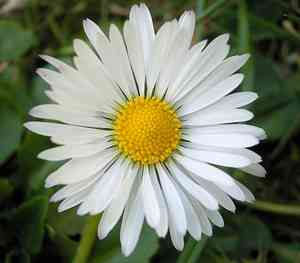
Cooper's goldenbush flourishes when relocated between early and late spring, benefiting from suitable soil warmth. Select a bright spot with adequately draining soil for peak development. Providing the correct environment will facilitate the move and encourage robust growth.
Essential Preparations Before Relocating Cooper's Goldenbush?
Optimal Timing for Transplanting Cooper's Goldenbush?
Cooper's goldenbush flourishes when moved during the peak period of early to late spring. This timeframe ensures excellent root establishment due to favorable temperatures and adequate moisture. Relocating in this season promotes robust growth and flowering, enhancing overall plant vitality and resilience.
Recommended Spacing Between Cooper's Goldenbush Plants?
When transplanting cooper's goldenbush, it's advisable to position each plant 18-24 inches (45-60 cm) apart. This provides ample room for healthy development without overcrowding.
Ideal Soil Blend for Cooper's Goldenbush Transplanting?
Prepare well-draining soil for cooper's goldenbush. An effective mixture includes sand and loamy soil. Supplement with a foundational fertilizer, such as a balanced slow-release 10-10-10 formula, to supply vital nutrients.
Optimal Location for Your Cooper's Goldenbush?
Cooper's goldenbush thrives in full sun. Select a sunny spot in your garden that receives at least 6-8 hours of direct sunlight daily for peak growth.
Equipment Needed Before Transplanting Cooper's Goldenbush?
Gardening Gloves
To safeguard your hands while handling soil and plants.
Shovel or Spade
For excavating around the plant in both its original and new spots.
Trowel
Useful for more precise digging and managing the root ball.
Planting Container or Tarp
To temporarily hold the plant if immediate transfer from its old to new location isn't possible.
Watering Can or Hose
For hydrating the plant before and after its relocation.
Compost or Mulch
To help improve soil quality and maintain moisture.
How to Extract Cooper's Goldenbush from the Soil?
How to Extract Cooper's Goldenbush from the Soil?
From Ground: First, moisten the cooper's goldenbush plant to dampen the soil. Next, dig a wide trench around the plant using a shovel or spade, ensuring the plant's root ball remains intact. Carefully work the spade beneath the root ball to lift the plant from its initial spot. Have a tarp or container ready for placement if necessary.From Pot: Gently water the plant a few hours prior to removal. Tilt the pot sideways and lightly tap around the edges to loosen the soil. Hold the plant's base and carefully ease it out, making sure to keep the root ball whole.From Seedling Tray: Gently water the tray to loosen the soil. Use a trowel or your fingers to carefully lift the seedlings from the tray, holding them by the leaves rather than the stem to prevent damage. Retain as much soil around the roots as possible.
Step-by-Step Guide for Relocating Cooper's Goldenbush
Site Selection
Choose a new spot with suitable soil, sunlight, and space for your cooper's goldenbush plant to reach its mature size.
Prepare New Location
Dig a hole in the new location that is twice as wide and as deep as the root ball of your cooper's goldenbush plant. Incorporate some compost or mulch into the soil to enhance quality and aid root establishment.
Transfer Plant
Carefully place the cooper's goldenbush plant into the hole in its new location, ensuring it sits at the same depth as it was in its original spot. Position the plant upright and straight.
Backfill Soil
Fill the hole with the excavated soil, gently pressing down to eliminate air pockets. Water the area thoroughly to settle the soil around the roots.
Mulch
Apply a layer of mulch around the base of your cooper's goldenbush plant to help retain moisture and regulate soil temperature, being careful not to pile it against the stem.
Post-Transplant Care for Cooper's Goldenbush?
Watering
Keep the soil around the cooper's goldenbush consistently moist, but not waterlogged, for the initial weeks after transplanting to encourage strong root development.
Shading
If the new location is very exposed, consider providing temporary shade to help the plant acclimate without suffering from direct sunlight exposure.
Monitoring
Regularly inspect your cooper's goldenbush plant for indications of stress like wilting or yellowing leaves, and address any issues promptly.
Fertilizing
Wait approximately one month after transplanting before applying any fertilizer, allowing your cooper's goldenbush plant time to adjust to its new environment.
Resolving Common Issues with Cooper's Goldenbush Transplantation.
When is the best time to transplant cooper's goldenbush?
Relocate cooper's goldenbush from early spring to late spring for optimal outcomes and healthy development.
How far apart should cooper's goldenbush be spaced?
For robust growth, space cooper's goldenbush 18-24 inches (45-60 cm) apart to provide adequate room.
How do I prepare the soil for cooper's goldenbush?
Loosen the soil to a depth of 12 inches (30 cm) and mix in organic compost.
What is the ideal soil pH for cooper's goldenbush?
Aim for a soil pH between 6.0 and 7.5, which is slightly acidic to neutral.
How can I minimize transplant shock for cooper's goldenbush?
Water thoroughly before and after transplanting. Avoid excessive disturbance to the rootball.
Should I prune cooper's goldenbush before transplanting?
Lightly trim any damaged or dead branches to direct the plant's energy towards new growth.
What type of container should I use for cooper's goldenbush seedlings?
Utilize biodegradable pots or small containers with drainage holes for healthy root development.
How much water does cooper's goldenbush need after transplanting?
Water cooper's goldenbush deeply after transplanting and maintain moist but not waterlogged soil.
Can cooper's goldenbush be transplanted in summer or winter?
It's best to avoid transplanting cooper's goldenbush during harsh summer or winter conditions to minimize stress.
How do I handle cooper's goldenbush while transplanting?
Gently lift cooper's goldenbush by its base, keeping the rootball intact, to prevent damage.



