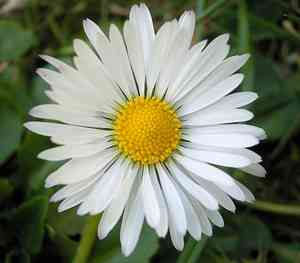
Cooper's goldenbush (Ericameria cooperi)
Also known as: Cooper's Goldenbush
Cooper's goldenbush (Ericameria cooperi) is a hardy shrub well-suited to arid climates. It features slender, needle-like leaves that help conserve water by minimizing transpiration. The plant produces small, yellow flower clusters on robust stems, attracting pollinators even in sparse surroundings. Its deep roots access underground moisture, and its waxy leaf coating further reduces water loss, allowing it to flourish on sun-exposed slopes despite prolonged droughts.
In This Article
Attributes of Cooper's goldenbush
Lifespan
Perennial
Plant Type
Shrub
Plant Height
1 to 3 feet
Spread
1 to 2 feet
Leaf Color
Green
Flower Size
0.2 to 0.5 inches
Flower Color
Yellow
Images of Cooper's goldenbush
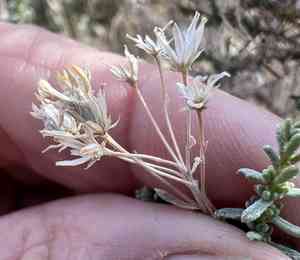
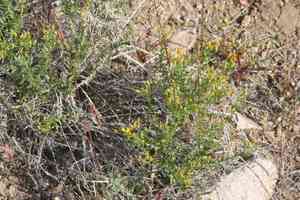
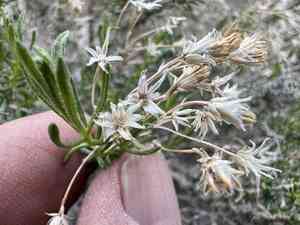
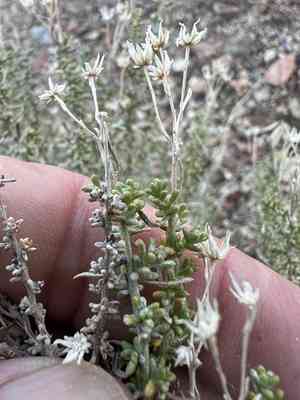
Quickly Identify Cooper's goldenbush
1
Identifying Ericameria cooperi involves looking for its small yellow flowers, which bloom in dense clusters, and its needle-like leaves. The plant typically has a bushy appearance and can be found in arid desert environments.
Scientific Classification of Cooper's goldenbush
Phylum
Vascular plants
Class
Dicotyledons
Order
Asterales
Family
Daisy
Genus
Goldenbushes
Species
Cooper's goldenbush
Planting and Growing of Cooper's goldenbush
Care Difficulty
Easy
Watering Schedule
Every 2 days
Sunlight Requirements
Full sun
Sunshine Duration
4-10 hours
Ideal Temperature
65-75℉
Soil Type
Potting Mix, Peat Mix
Soil pH
6.5-7.5
Fertilizer Type
Balanced
Pruning Season
Spring, Summer
Pruning Area
Branches, Leaves
Pruning Frequency
2 times a year
Repotting Season
Spring
Pot Type
Terracotta, Plastic
 How to Water Cooper's goldenbush?
Ericameria cooperi, commonly known as Cooper's goldenbush, thrives in dry, arid environments. The watering amount for this plant should mimic the scant rainfall of its native habitat. Generally, 200 milliliters per watering session should suffice, just enough to moisten the top layer of the soil without causing saturation or pooling. The goal is to wet the soil to a depth of 5 to 10 centimeters, ensuring that the plant's roots receive adequate moisture without excess.
What are the symptoms of an underwatered Cooper's goldenbush?
›
What should I do if my Cooper's goldenbush is not getting enough water?
›
What are the symptoms of an overwatered Cooper's goldenbush?
›
How to save an overwatered Cooper's goldenbush?
›
 What Are the Sunlight Requirements for Cooper's goldenbush?
Ericameria cooperi requires full sun, ideally receiving between six to eight hours of sunlight per day. This exposure supports its growth, encouraging vibrant blooms and maintaining overall plant vigor.
What is the best lighting condition for Ericameria cooperi?
›
How to achieve ideal lighting for Ericameria cooperi?
›
What benefits does ideal lighting bring to Ericameria cooperi?
›
 What Is the Ideal Temperature Range for Cooper's goldenbush?
Ericameria cooperi, commonly known as Cooper's goldenbush, thrives best within a specific temperature range. Maintaining temperatures between 65°F and 75°F allows the plant to perform photosynthesis efficiently, maintain optimal metabolic activities, and ensures maximal growth. This range helps in preventing stress and potential damage caused by unsuitable temperature variations.
 What Soil is Best for Cooper's goldenbush?
Ericameria cooperi thrives in soil with excellent drainage. This prevents root rot and other water-related issues, ensuring healthy growth and a vibrant plant. It's particularly crucial in areas with heavier rainfall. A pH range between 6.5 to 7.5 is essential for Ericameria cooperi. This allows the plant to optimize nutrient uptake, leading to better health and more robust blooms. It also helps avoid nutrient lockout, which can stunt growth. This plant is adaptable to both sandy and loamy soils. Such compatibility ensures it can survive in various environments, offering greater flexibility for gardeners to plant it in different settings.
 How to Fertilize Cooper's goldenbush?
Ericameria cooperi thrives on minimal fertilization. When using liquid fertilizers, apply at half the recommended strength every two weeks. For slow-release fertilizers, apply about 100 grams per plant, ensuring it’s spread evenly across the soil surface.
 How to Prune Cooper's goldenbush?
Start by examining the overall shape of the Ericameria cooperi. Aim to maintain a balanced, rounded form. Cut back to a healthy bud or side shoot just above a leaf node. This encourages the plant to sprout new, vigorous branches. Focus on removing any crossing or rubbing branches to prevent them from damaging each other and creating entry points for diseases. Proper air circulation helps in keeping the plant healthy, as it reduces the chances of fungal infections. Aim to thin out the interior branches, making sure that air can flow freely through the plant. This also allows sunlight to penetrate more effectively, promoting healthy, uniform growth.
More About Pruning Techniques→
 How to Propagate Cooper's goldenbush plant?
1
Collect seeds from mature Ericameria cooperi plants in late fall. Ensure seeds are dry and free from mold. Store them in a cool, dry place until planting season.
2
Fill a seed tray with a sterile seed-starting mix. Plant the seeds approximately 1cm deep. Water gently and cover with plastic wrap to create a humid environment. Place the tray in a warm and bright location.
3
Select healthy, non-flowering stems from Ericameria cooperi, about 10cm in length. Cut below a node, remove the lower leaves, and dip the cut end in rooting hormone before planting.
 How to Repot Cooper's goldenbush plant?
1
Signs that Ericameria cooperi needs repotting include roots growing through drainage holes, slow growth, or when the soil starts to break down. The best time to repot is during mild weather in spring or autumn to minimize stress.
2
Select a pot that is one size larger than the current one, ensuring it has adequate drainage holes. This provides the plant with room to grow while avoiding excessive water retention, which can prevent root rot.
3
Opt for a gritty, well-draining mix that can mimic its natural habitat. The right soil provides excellent aeration and prevents waterlogging, essential for the plant's root health and overall vigor.
Learn More About Cooper's goldenbush Diseases
Anthracnose
Bacterial Leaf Spot
Bacterial Wilt
Crown Gall
Cyst Nematode
Damping-off
Downy Mildew
Drought Stress
Fusarium Wilt
Gray Mold
Leaf Curl
Leaf Spot
Mosaic
Nutrient Deficiency
Nutrient Toxicity
Powdery Mildew
Root Rot
Root-knot Nematode
Rusts
Sooty Mold
Spider Mites
Temperature Stress
Thrips Damage
White Mold



