How to Transplant Teff?
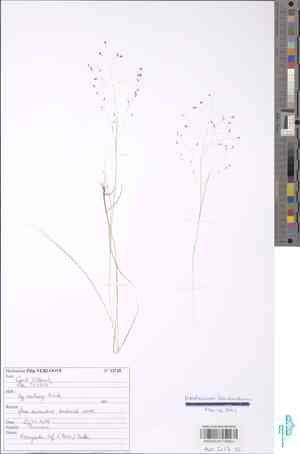
For teff, the ideal time for transplanting is from early to mid-spring, providing moderate temperatures and conducive growing environments. Select a bright spot with soil that drains effectively. Always handle with care to reduce disruption to the root system.
What Preparations are Needed Before Transplanting Teff?
What is the Ideal Time for Transplanting Teff?
Teff, an annual plant, flourishes when moved during the 'early to mid-spring' period. This timing ensures optimal ground temperature and moisture, fostering robust root development and vigorous initial growth. Transplanting at this time maximizes the growing season, boosting overall yield and resistance to environmental stressors.
How Much Space Should You Leave Between Teff Plants?
When relocating teff, ensure each plant is spaced 6-9 inches (15-23 cm) apart. This spacing allows for healthy, strong growth without competition for resources.
What is the Best Soil Mix for Teff Transplanting?
Teff thrives in soil that drains well and is loamy. Before moving, incorporate a balanced base fertilizer to enrich the soil and encourage strong growth.
Where Should You Relocate Your Teff?
Select a sunny spot for transplanting teff. It requires full sunlight, approximately 6-8 hours daily, to flourish and develop correctly.
What Equipments Should You Prepare Before Transplantation Teff?
Gardening Gloves
To safeguard your hands while handling soil and plants.
Trowel
For digging and preparing holes for relocation.
Shovel or Spade
Used for excavating around plants to extract them from their original spots, especially when planted in the ground.
Watering Can or Hose
To maintain soil moisture and hydrate the plant during and after relocation.
Bucket
To temporarily hold plants if needed while preparing their new location.
Mulch
To help retain moisture around the newly relocated plant.
How Do You Remove Teff from the Soil?
How Do You Remove Teff from the Soil?
From Ground: First, hydrate the teff plant to moisten the soil. Next, dig a wide trench around the plant using a shovel or spade, ensuring the plant's root ball stays intact. Carefully work the spade beneath the root ball to lift the plant from its initial position.From Pot: Thoroughly water the plant before extraction. Gently tap the pot's sides to loosen the soil and roots. Carefully slide the plant out by supporting its base and easing it from the pot.From Seedling Tray: Water the seedling tray to make the soil easier to manage. Gently push up from the bottom of each cell to release the seedlings. Handle seedlings by their leaves or root ball, being careful not to harm the delicate roots.
Step-by-Step Guide for Transplanting Teff
Site Preparation
Clear the area where you intend to relocate the teff. Remove any weeds and debris to create a clean space for the new plant.
Hole Digging
Excavate a hole large enough to accommodate the root ball of your teff plant, typically about twice its width and the same depth.
Plant Placement
Position the teff plant into the hole, ensuring the top of the root ball is level with or slightly above the surrounding soil surface.
Backfilling
Refill the hole with soil, gently pressing it around the root ball to eliminate any air pockets. Be careful not to bury the plant's stem.
Watering
Thoroughly water the plant after relocation, ensuring the soil is well-moistened but not waterlogged.
How Do You Care For Teff After Transplanting?
Watering
Keep the soil around the teff consistently moist, but not saturated, for the initial weeks after relocation to aid in strong root establishment.
Mulching
Apply a layer of mulch around the base of the teff to help retain moisture and suppress weeds.
Monitoring
Observe the plant for any indications of transplant shock, such as wilting or yellowing leaves, and provide necessary interventions like shade or additional watering.
Pest Watch
Regularly inspect for pests and take appropriate measures if any are found to ensure the plant remains healthy while settling into its new location.
Troubleshooting Common Issues with Teff Transplantation.
When is the best time to transplant teff?
Relocate teff in early to mid-spring when the soil begins to warm.
How should I space teff plants?
Position teff plants 6-9 inches (15-23 cm) apart to provide ample room for growth.
What type of soil is ideal for teff transplants?
Teff thrives in well-draining, sandy loam soil that is pH neutral to slightly acidic.
How deep should I plant the teff seedlings?
Plant teff seedlings at the same depth they were originally growing to prevent stress.
What to do if teff seedlings are drooping?
Ensure consistent watering and avoid overwatering. Use a mulch layer to maintain soil moisture.
How often should I water newly transplanted teff?
Water teff regularly, keeping the soil moist but not soggy until roots are established.
Why are teff transplants yellowing?
Yellowing can stem from nutrient deficiencies. Use a balanced fertilizer to correct this.
What if teff plants are not growing?
Verify adequate sunlight exposure. Teff requires full sun to flourish during transplantation.
Should I protect teff from pests after transplanting?
Yes, use organic insecticidal soap or neem oil to deter common pests like aphids and beetles.
How to harden off teff before transplanting?
Gradually expose teff seedlings to outdoor conditions for 7-10 days to help them acclimate.



