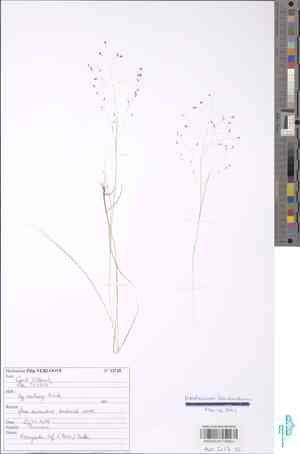
Teff (Eragrostis tef)
Also known as: Teff
Teff, scientifically known as *Eragrostis tef*, is an annual cereal grass from the Poaceae family. It is a C4 plant, bridging the characteristics of tropical and temperate grasses. The name "teff" is believed to come from the Amharic word "teffa," meaning "lost," likely referring to its minuscule seeds that are less than 1 mm in diameter.
In This Article
Attributes of Teff
Lifespan
Annual
Plant Type
Grass
Plant Height
30-120 cm
Spread
Not applicable
Leaf Color
Green
Flower Size
Not applicable
Flower Color
Green to purplish
Images of Teff
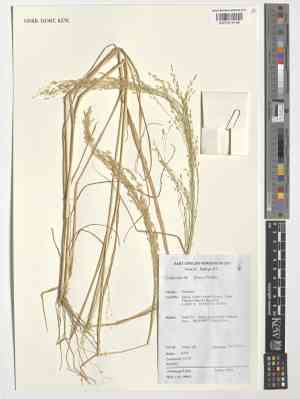
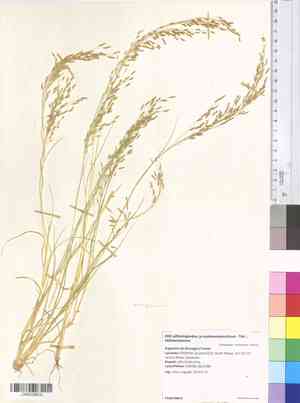
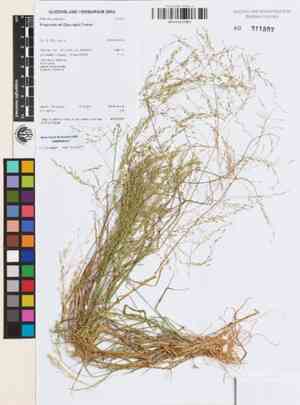
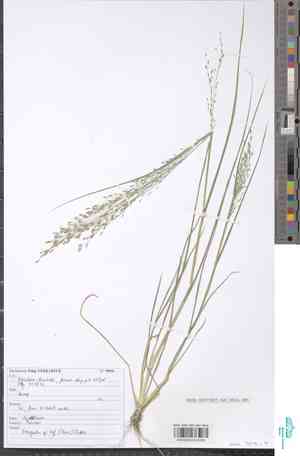
Quickly Identify Teff
1
Eragrostis tef can be identified by its very small seeds, narrow and elongated leaves, and compact panicles. The plant is usually green but can have purplish hues depending on the variety.
Scientific Classification of Teff
Phylum
Vascular plants
Class
Monocotyledons
Order
Poales
Family
Grass
Genus
Lovegrasses
Species
Teff
Planting and Growing of Teff
Care Difficulty
Moderate
Watering Schedule
Every 6 days
Sunlight Requirements
Full sun
Sunshine Duration
4-8 hours
Ideal Temperature
68-86℉
Soil Type
Potting Mix, Peat Mix
Soil pH
6.5-7.5
Fertilizer Type
Balanced
Pruning Season
Spring, Summer
Pruning Area
Branches, Leaves
Pruning Frequency
2 times a year
Repotting Season
Spring
Pot Type
Ceramic, Plastic
 How to Water Teff?
Eragrostis tef, or teff, prefers moderate watering. Each watering session should ideally provide 250 ml of water. The goal is to moisten the first few inches of soil to maintain a balanced level of moisture without causing water logging. This helps the plant to absorb nutrients effectively while preventing root rot.
What are the symptoms of an underwatered Teff?
›
What should I do if my Teff is not getting enough water?
›
What are the symptoms of an overwatered Teff?
›
How to save an overwatered Teff?
›
 What Are the Sunlight Requirements for Teff?
Eragrostis tef ideally requires half to full-day sunlight, particularly during the growing season. Access to this light range promotes strong, lush growth and enhances photosynthetic activity for better yield.
Where to Place Eragrostis tef for Ideal Sunlight?
›
Optimal Time for Sun Exposure?
›
What Equipment Can Help in Achieving Ideal Lighting Conditions?
›
 What Is the Ideal Temperature Range for Teff?
The ideal temperature range for cultivating Eragrostis tef is between 68°F to 86°F. These temperatures are optimal for both germination and growth phases, providing an environment that balances warmth with sufficient humidity levels. Ensuring temperatures within this range facilitates robust development.
 What Soil is Best for Teff?
Teff thrives in soils that are rich in nutrients. This requirement ensures robust growth and high yield. Adequate nutrients provide essential elements for photosynthesis and root development, enhancing overall plant health. Well-drained soils prevent waterlogging, which can lead to root rot. This requirement is crucial as teff roots are sensitive to excess water. Good drainage allows roots to breathe and supports healthy nutrient uptake. Teff prefers a slightly acidic to neutral soil pH, ranging from 6.5 to 7.5. This pH range optimizes nutrient availability, ensuring the plant absorbs essential minerals effectively for optimal growth.
 How to Fertilize Teff?
Eragrostis tef benefits from a balanced nutrient supply. For liquid fertilizers, apply at the concentration recommended by the manufacturer, usually around 1 tablespoon (15ml) per gallon of water. For slow-release granular fertilizers, use approximately 1 pound (0.45 kg) per 100 square feet, spread evenly across the soil surface.
 How to Prune Teff?
Begin by inspecting the plant closely and removing any dead or diseased stalks. This helps the plant direct its energy towards healthy growth and reduces the spread of diseases. Cut these stalks down to the base, ensuring you do not damage nearby healthy growth. Ensure good air circulation by thinning out crowded areas. This prevents mildew and disease buildup by allowing more sunlight and air to reach the base of the plant. Make cuts at a slight angle to help water run off, reducing the risk of rot.
 How to Propagate Teff plant?
1
Begin by filling seed trays with a pre-moistened potting mix. Ensure the mix is evenly distributed and lightly compacted to provide a stable base for the seeds. Level the surface to accommodate even seed distribution.
2
Distribute Eragrostis tef seeds thinly and evenly over the surface of the potting mix. Avoid crowding the seeds to allow space for root development. Gently press the seeds into the soil but avoid burying them too deeply.
3
After sowing, mist the surface of the soil lightly to settle the seeds. Cover the seed trays with a clear plastic lid or wrap to maintain humidity and warmth, promoting consistent germination.
 How to Repot Teff plant?
1
Eragrostis tef should be repotted when you notice roots emerging from the drainage holes or when the plant seems to need more frequent watering than usual. Additionally, if the plant’s growth rate has significantly slowed, it might be time for a fresh pot.
2
Select a pot that is just a couple of inches larger in diameter than the current one. A slightly bigger pot ensures that the plant focuses on growing rather than being overwhelmed by excess soil. Drainage holes are essential to avoid moisture buildup.
3
Opt for a light, well-draining soil mix to encourage healthy root growth and prevent waterlogging. Such soil often contains a mixture of sand, perlite, or vermiculite, which facilitates good aeration and moisture control.
Learn More About Teff Diseases
Anthracnose
Bacterial Leaf Spot
Bacterial Wilt
Cyst Nematode
Damping-off
Downy Mildew
Drought Stress
Fusarium Wilt
Gray Mold
Leaf Spot
Mosaic
Nutrient Deficiency
Nutrient Toxicity
Powdery Mildew
Root Rot
Root-knot Nematode
Rusts
Sooty Mold
Spider Mites
Temperature Stress
Thrips Damage
White Mold
Chemical Injury



