How to Transplant Smooth horsetail?
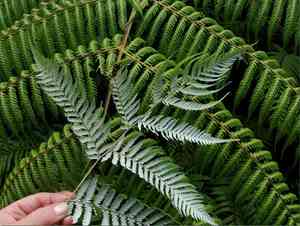
For smooth horsetail, the ideal period for relocation extends from the invigorating warmth of early spring through the gentle days of late spring. Select a location featuring damp earth and dappled sunlight. Carefully introduce smooth horsetail to its new environment for peak health.
What Preparations are Needed Before Transplanting Smooth Horsetail?
What is the Ideal Time for Transplanting Smooth Horsetail?
The optimal period for relocating smooth horsetail is from the thawing of frost until the garden is fully active. Moving smooth horsetail during this timeframe allows roots to settle without the strain of intense summer heat. With a gentle push after winter's melt, but prior to summer's intensity, smooth horsetail receives a comfortable start to flourish all season.
How Much Space Should You Leave Between Smooth Horsetail Plants?
When positioning your smooth horsetail, aim for a separation of 1-2 feet, which is roughly 30-60 cm. This provides each plant ample room to develop and thrive!
What is the Best Soil Mix for Smooth Horsetail Transplanting?
For smooth horsetail, well-drained soil enriched with some compost serves as an excellent foundation. Before planting, incorporate a balanced, slow-release fertilizer to nourish your smooth horsetail from the very beginning!
Where Should You Relocate Your Smooth Horsetail?
Select a location for your smooth horsetail that receives full sun to partial shade, where the gentle sunlight can touch its foliage. A spot that gets filtered sunlight throughout the day is just right!
What Equipments Should You Prepare Before Transplantation Smooth Horsetail?
Gardening Gloves
To safeguard your hands while handling soil and plants.
Shovel or Spade
For excavating the smooth horsetail plant and preparing its new planting site.
Garden Fork
To loosen the soil around the root ball and aid in aerating the soil at the new spot.
Watering Can or Hose
To hydrate the smooth horsetail plant both before and after its relocation.
Wheelbarrow or Plant Pot
To move the smooth horsetail plant from its original position to the new site without causing damage.
Pruning Shears
To remove any dead or damaged fronds prior to transplanting.
How Do You Remove Smooth Horsetail from the Soil?
How Do You Remove Smooth Horsetail from the Soil?
From Ground: Start by watering the smooth horsetail plant to make the soil easier to manage. Carefully dig around the plant using a shovel or spade, ensuring you go wide enough to include the entire root system. Gently pry under the root ball to loosen it, then lift the plant and place it in a wheelbarrow or pot.From Pot: Water the smooth horsetail thoroughly, then turn the pot sideways and tap its sides to loosen the root ball. Gently extract the plant, supporting its base, and ensure the root ball stays intact as you move it to the new location.From Seedling Tray: If moving seedlings, moisten the soil first to minimize root disturbance. Use a spoon or small tool to carefully lift each seedling by its leaves, not the stem, and keep the root ball together as you transfer it to the prepared hole in the ground.
Step-by-Step Guide for Transplanting Smooth Horsetail
Preparation
Thoroughly water the smooth horsetail plant before commencing. This will help reduce transplant shock and keep the roots hydrated.
Digging Hole
Use a shovel to excavate a hole in the new spot that is twice as wide and equally deep as the smooth horsetail plant's root ball.
Root Pruning
Examine the roots and, using pruning shears, trim away any dead or circling roots to encourage vigorous new growth.
Placing the Plant
Gently position the smooth horsetail in the center of the hole. Ensure it stands upright, with the top of the root ball level with the soil surface.
Backfilling
Carefully refill the hole with soil, gently tamping around the root ball to eliminate air pockets.
Watering
Water the smooth horsetail thoroughly after planting to settle the soil and help remove any remaining air pockets.
Stabilizing
If the smooth horsetail plant is top-heavy or in a windy area, gently stake it with supports to stabilize it while its roots establish.
How Do You Care For Smooth Horsetail After Transplanting?
Mulching
Apply a layer of organic mulch around the base of the smooth horsetail to help regulate soil temperature and retain moisture.
Check-up
Regularly check the soil moisture as smooth horsetail requires adequate moisture without becoming waterlogged. Adjust your watering schedule as necessary.
Monitoring Growth
Observe the smooth horsetail for indications of stress, such as discolored or drooping fronds, and address any issues promptly to ensure successful establishment.
Troubleshooting Common Issues with Smooth Horsetail Transplantation.
Why is my smooth horsetail not thriving after transplant?
Ensure you've transplanted smooth horsetail during its optimal period, which is from early spring until mid-spring. Maintain a planting distance of 1-2 feet (30-60 cm) for best growth.
How often should I water smooth horsetail post-transplant?
Water smooth horsetail generously right after transplanting, then gradually reduce to moderate watering, allowing the soil to stay moist but not saturated.
What's the best way to prepare the soil for smooth horsetail?
The soil should drain well and be rich in organic matter. Loosen the soil to a depth of about 12 inches (30 cm) for easy root expansion.
Is there a specific depth to plant smooth horsetail?
Plant smooth horsetail so that its root ball is flush with the soil surface. This enables proper rooting and prevents crown rot.
Can I transplant smooth horsetail in full sunlight?
While smooth horsetail tolerates partial shade to full sun, ensure it's not exposed to intense afternoon sun immediately after transplanting.
What signs of distress should I look for in smooth horsetail after transplanting?
Look for wilting leaves, discoloration, or stunted growth as indicators of distress. These may suggest insufficient watering or transplant shock.
How do I acclimate smooth horsetail before transplanting?
Gradually expose smooth horsetail to the conditions of its new environment over a week to lessen shock and improve the chances of successful transplant.
What tools are best for transplanting smooth horsetail?
Use a sharp spade for digging and a trowel for precise placement when transplanting smooth horsetail to ensure minimal root disturbance.
Should I fertilize smooth horsetail immediately after transplanting?
Wait 4-6 weeks before fertilizing smooth horsetail to allow it to establish. Then use a balanced, slow-release fertilizer according to package directions.
Is mulching beneficial for smooth horsetail after transplanting?
Yes, mulching helps retain moisture, regulate soil temperature, and reduce weed competition. Apply a 2-3 inch (5-7.5 cm) layer around smooth horsetail, avoiding direct contact with the stem.



