
Smooth horsetail (Equisetum laevigatum)
Also known as: Braun horsetail
Smooth horsetail (Equisetum laevigatum) is widespread across North America and thrives in moist environments. It prefers sandy or gravelly soils and often grows along stream banks, marshes, and wet meadows. The plant produces spores in cones located at the shoot tips, which typically disperse by August, after which the cones fall off. Notably, smooth horsetail is a modern descendant of ancient plants that contributed to the formation of Earth's coal deposits.
In This Article
Attributes of Smooth horsetail
Lifespan
Perennial
Plant Type
Herb
Plant Height
30 cm to 1.2 m
Spread
30 cm to 90 cm
Leaf Color
N/A
Flower Size
N/A
Flower Color
N/A
Images of Smooth horsetail
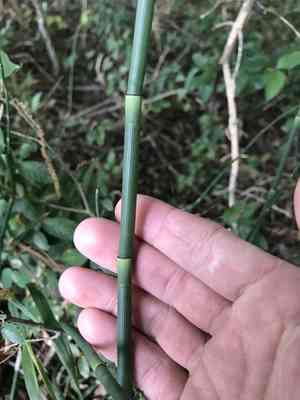
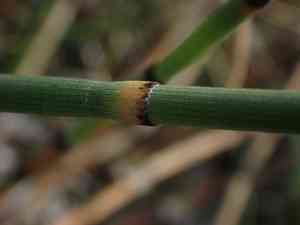
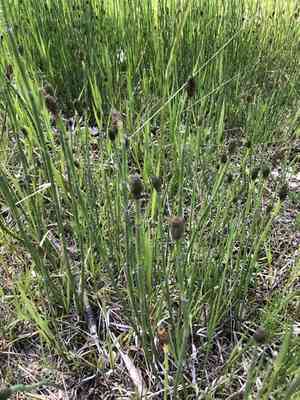
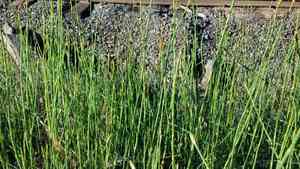
Quickly Identify Smooth horsetail
1
Equisetum laevigatum can be identified by its smooth, jointed, green stems that are hollow and ridged. The plant does not produce flowers but reproduces via spores located in cone-like structures at the tips of the stems.
Scientific Classification of Smooth horsetail
Phylum
Vascular plants
Class
Equisetopsida
Order
Equisetales
Family
Horsetail
Genus
Horsetails
Species
Smooth horsetail
Planting and Growing of Smooth horsetail
Care Difficulty
Easy
Watering Schedule
Every 4 days
Sunlight Requirements
Full sun
Sunshine Duration
4-8 hours
Ideal Temperature
60-75℉
Soil Type
Potting Mix, Peat Mix
Soil pH
6.5-7.5
Fertilizer Type
Balanced
Pruning Season
Spring, Summer
Pruning Area
Branches, Leaves
Pruning Frequency
2 times a year
Repotting Season
Spring
Pot Type
Terracotta, Plastic
 How to Water Smooth horsetail?
For Equisetum laevigatum, it's crucial to maintain a soggy but not waterlogged environment. When watering, apply until the soil is moist but ensure excess water drains out to prevent root rot.
What are the symptoms of an underwatered Smooth horsetail?
›
What should I do if my Smooth horsetail is not getting enough water?
›
What are the symptoms of an overwatered Smooth horsetail?
›
How to save an overwatered Smooth horsetail?
›
 What Are the Sunlight Requirements for Smooth horsetail?
The ideal light range for Equisetum laevigatum includes full sun to partial sun exposure. This range promotes the plant's metabolic processes and enhances its visual appeal by providing the necessary energy for photosynthesis without overwhelming the foliage.
What is the ideal lighting condition for Equisetum laevigatum?
›
How can you achieve the ideal lighting conditions for Equisetum laevigatum?
›
What are the benefits of Equisetum laevigatum receiving its ideal light conditions?
›
 What Is the Ideal Temperature Range for Smooth horsetail?
The optimal temperature range for Equisetum laevigatum is between 60°F and 75°F. In this range, the plant can perform photosynthesis efficiently, ensuring healthy growth and development. Keeping the plant within this range promotes vibrant, full, and lush foliage. Consistent temperatures within this range also help the plant ward off diseases and pest infestations by maintaining its overall health and resilience.
 What Soil is Best for Smooth horsetail?
Equisetum laevigatum thrives in well-drained soil that prevents waterlogging. Good drainage helps avoid root rot and promotes healthy growth by allowing air circulation around the roots. While Equisetum laevigatum prefers well-drained soil, it also benefits from soils that can retain moisture. This balance ensures the plant remains hydrated without becoming waterlogged, critical for its growth. A nutrient-rich substrate aids in the robust development of Equisetum laevigatum, supplying essential minerals and promoting thick, hardy stems capable of supporting the plant’s structure.
 How to Fertilize Smooth horsetail?
For Equisetum laevigatum, it's essential to provide a balanced approach to fertilization. Liquid fertilizer should be applied at half strength to avoid over-fertilization, which can damage the plant. A general recommendation is to use a dilute solution with an N-P-K ratio of 10-10-10, applying about 1-2 tablespoons per gallon of water.
 How to Prune Smooth horsetail?
Start by identifying stems that are old, damaged, or discolored. These should be trimmed first to help the plant focus its energy on producing new, healthy growth. When removing any stem, cut it at the base of the plant. This promotes a more even look and encourages the plant to sprout new stems from the base. If desired, prune the plant to maintain a specific shape or size. Trim excess growth to prevent the plant from becoming too leggy or uneven. Collect and properly dispose of pruned stems and leaves to prevent them from regrowing or spreading unintentionally, as Equisetum laevigatum can be invasive.
More About Pruning Techniques→
 How to Propagate Smooth horsetail plant?
1
Choose a robust and healthy equisetum plant to ensure successful propagation. Avoid plants showing any signs of disease or weakness.
2
Carefully dig around the base of the plant and separate the rhizomes. Each section should have at least one to two nodes to grow new shoots.
3
Place each divided rhizome into a new location or container, ensuring it's buried at the right depth to get sufficient moisture and light.
 How to Repot Smooth horsetail plant?
1
Equisetum laevigatum should be repotted when you notice the plant is root-bound or it's outgrown its current pot. Look for roots emerging from the drainage holes or a noticeable slowdown in growth speed. These are clear signals that the plant requires more space to thrive and should be repotted soon to promote healthier growth.
2
Select a pot that is slightly larger than the current one, ideally one size up, allowing ample room for future root growth. A pot with adequate drainage holes is crucial to prevent water accumulation that leads to root rot. Using a pot with these specifications provides a comfortable growing environment and avoids stagnation issues.
3
Opt for a loamy, well-draining soil mix to ensure that Equisetum laevigatum receives adequate water retention without becoming oversaturated. A well-draining soil helps prevent water from pooling around the roots, reducing the chance of root rot and promoting robust, healthy growth.



