How to Transplant Fringed willowherb?
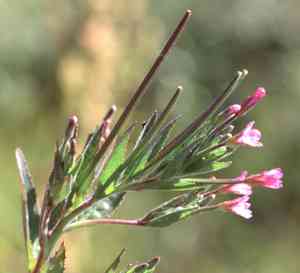
The most suitable period for transplanting fringed willowherb is during its inactive phase, particularly from late autumn to mid-winter's chill, which minimizes plant distress. Select a site that replicates its inherent preference for dampness and dappled light. Should it be required, enrich the earth with compost to support the establishment of fringed willowherb's new root system.
Preparations Required Before Relocating Fringed Willowherb?
Optimal Period for Moving Fringed Willowherb?
The ideal time to move fringed willowherb is from late autumn to mid-winter. This timeframe allows fringed willowherb to establish roots without the stress of high temperatures, ensuring a strong start in spring. Transplanting fringed willowherb then benefits from cooler weather and natural precipitation, helping these resilient plants flourish and settle before the growing season.
Recommended Spacing Between Fringed Willowherb Plants?
When relocating fringed willowherb, consider the distance between each plant. Ideally, this should be 1-2 feet (30 - 60 cm) apart. This provides ample room for fringed willowherb to grow and thrive without competing for nutrients and sunlight.
Best Soil Mixture for Fringed Willowherb Relocation?
Prior to moving fringed willowherb, prepare a rich soil bed. A well-drained loamy soil would be most suitable. Additionally, incorporate a foundational fertilizer such as compost or well-rotted manure to supply extra nutrients for quicker development.
Where to Replant Your Fringed Willowherb?
Regarding placement, fringed willowherb thrives in a location that receives full to partial sunlight. An area exposed to sunlight for 6-8 hours daily would be perfect. This guarantees the plant receives sufficient light for photosynthesis.
Equipment Needed Before Transplanting Fringed Willowherb?
Gardening Gloves
To protect your hands from accidental cuts or scrapes while handling the plant and soil.
Shovels
Useful for excavating holes in the ground and for lifting the plant's root ball from its original spot.
Gardening Trowel
Handy for lifting smaller plants and for making final adjustments to the planting hole.
Watering Can
To moisten the soil in both the initial and new locations.
Pruner
To trim any damaged roots before relocation.
Mulch
To aid in water conservation and weed suppression.
How to Extract Fringed Willowherb from the Soil?
How to Extract Fringed Willowherb from the Soil?
From Ground: The initial step involves watering the soil around the fringed willowherb plant until it is adequately damp. This facilitates easier removal of the plant without harming its root ball. Next, dig a trench around the plant using a shovel. The trench should be wide enough to keep the root ball intact. Then, gradually move the shovel beneath the root ball and lift the plant from the soil.From Pot: Start by watering the fringed willowherb plant in its pot. Then, gently tilt the pot on its side and tap its rim on a firm surface. This should loosen the plant, allowing it to slide out easily. Be careful not to pull the plant by its stem; if it doesn't come out readily, you might need to tap a bit harder, or roll the pot to loosen the soil.From Seedling Tray: Carefully remove the fringed willowherb from the tray by pushing up from the bottom. Ensure you do not pull on the seedling's stem. Once removed, gently shake off excess soil from the roots. The seedling is now ready for relocation.
Detailed Guide for Relocating Fringed Willowherb
Hole preparation
Dig a hole that is twice the width and the same depth as the root ball of your fringed willowherb.
Root Inspection
Use a pruner to remove any damaged or dead roots. This will encourage new root growth after planting.
Positioning the Plant
Place the fringed willowherb in the hole, ensuring the top edge of its root ball is level with the ground.
Filling the Hole
Backfill the hole around the plant with the excavated soil. Gently press down the soil to eliminate any air pockets.
Watering
Thoroughly water the ground around the newly transplanted fringed willowherb immediately after planting.
Mulching
Apply approximately 2-3 inches of mulch around the plant. This will help retain moisture and inhibit weed growth.
Post-Transplant Care for Fringed Willowherb
Observation
Monitor the fringed willowherb after it has been relocated. Signs of distress, such as wilting or yellowing leaves, may indicate that the plant is not adapting well to its new environment.
Watering
During the initial week, ensure the soil remains consistently moist, but not waterlogged, for the fringed willowherb to develop strong roots.
Pruning
After transplanting, it's advisable to prune the fringed willowherb for optimal growth. This will help direct energy to the roots rather than leaves or flowers.
Protection
Safeguard the fringed willowherb from potential threats like pests or diseases. If you observe any signs, address them early for the plant's overall health.
Resolving Common Issues with Fringed Willowherb Relocation.
When is the best time to move fringed willowherb?
The optimal period for relocating fringed willowherb falls between the S9-S11 timeframe. This typically corresponds to late summer to early autumn.
What is the ideal spacing when moving fringed willowherb?
Aim for an optimal spacing of about 1-2 feet (30.5 - 61 cm) between fringed willowherb plants. This allows them to grow without competition.
What soil conditions does fringed willowherb prefer during relocation?
Fringed willowherb favors well-drained yet moisture-retentive soils. It will thrive in soil with a slightly acidic to neutral pH level.
How deep should I plant fringed willowherb during relocation?
Aim for a hole that's approximately 6-10 inches (15-25 cm) deep. This depth supports root development and ensures healthy growth.
How much sunlight does fringed willowherb need after relocation?
Fringed willowherb enjoys full sun to partial shade. Ensure it receives at least 6 hours of direct sunlight daily after transplanting.
How should I water fringed willowherb immediately after relocation?
Water thoroughly right after transplanting, making the soil moist but not waterlogged. Overwatering can lead to root rot, so avoid soaking.
How often should fringed willowherb be watered post-relocation?
Fringed willowherb prefers consistently moist soil, so water it regularly, ensuring the soil doesn't completely dry out between watering sessions.
What should I do if the relocated fringed willowherb shows no signs of growth?
This might be due to insufficient watering, inadequate sunlight, or incorrect spacing. Ensure these conditions are met, and practice patience.
Does fringed willowherb require frequent fertilizing after relocation?
Fringed willowherb isn't a heavy feeder, but it benefits from a small amount of organic compost added to the soil at the time of transplanting.
How to help fringed willowherb survive the winter after relocation?
Fringed willowherb is quite resilient, but a layer of mulch around the plant can help insulate its roots from severe cold weather.



