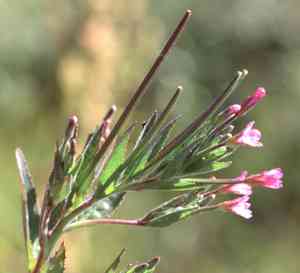
Fringed willowherb (Epilobium ciliatum)
Also known as: Glandular willowherb, Slender willow herb
The fringed willowherb, originally from North America and East Asia, was introduced to Northern Europe in the 1900s and quickly proliferated. It thrives in moist environments like wetlands, streams, and ponds, but is also adaptable to various habitats such as roadsides and wastelands.
In This Article
Attributes of Fringed willowherb
Lifespan
Perennial, Annual
Plant Type
Herb
Plant Height
20 cm to 1.5 m
Spread
1 m
Leaf Color
Green
Flower Size
6 mm to 7 mm
Flower Color
White Pink Purple
Images of Fringed willowherb
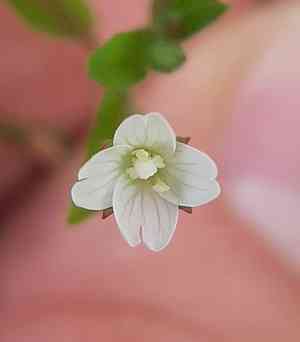
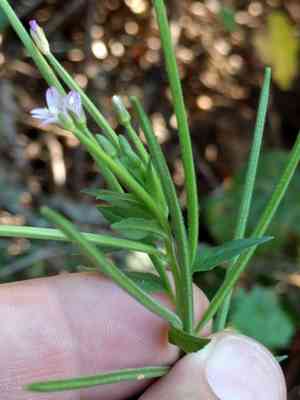
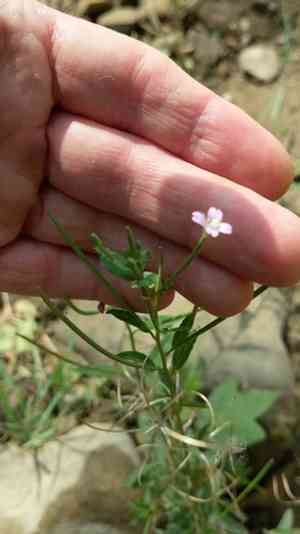
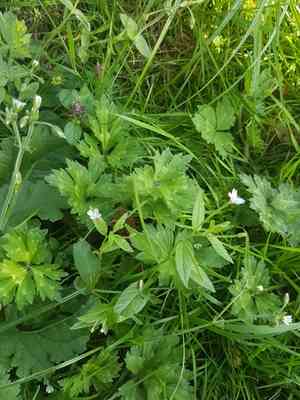
Quickly Identify Fringed willowherb
1
Tiny hairs cover fringed willowherb's stems, aiding in differentiation.
2
Leaves lack petioles, showing deep veins and purple margins.
3
Single stem of fringed willowherb grows 1.5-3 feet (45-90 cm) tall.
4
Flowers possess four distinct petals in pink, blue, or white.
5
Fruit capsules split open with tufted white-haired seeds.
Scientific Classification of Fringed willowherb
Phylum
Vascular plants
Class
Dicotyledons
Order
Myrtales
Family
Evening primrose
Genus
Willowherbs
Species
Fringed willowherb
Planting and Growing of Fringed willowherb
Care Difficulty
Easy
Watering Schedule
Every 4 days
Sunlight Requirements
Partial sun
Sunshine Duration
4-6 hours
Ideal Temperature
60-75℉
Soil Type
Potting Mix, Peat Mix
Soil pH
6.5-7.5
Fertilizer Type
Balanced
Pruning Season
Spring, Summer
Pruning Area
Branches, Leaves
Pruning Frequency
2 times a year
Repotting Season
Spring
Pot Type
Terracotta, Plastic
 How to Water Fringed willowherb?
The watering amount for Epilobium ciliatum should be around 250 milliliters per session. The key is to moisten the soil thoroughly without leaving it soggy. Make sure it's adequately hydrated, but not so much that excess water is draining out of the pot frequently.
What are the symptoms of an underwatered Fringed willowherb?
›
What should I do if my Fringed willowherb is not getting enough water?
›
What are the symptoms of an overwatered Fringed willowherb?
›
How to save an overwatered Fringed willowherb?
›
 What Are the Sunlight Requirements for Fringed willowherb?
Partial sun exposure is ideal, providing about 2 to 5 hours of light daily. This light level supports strong growth and flowering, meeting the plant's photosynthetic requirements without risking leaf burn.
What is the best type of light for Epilobium ciliatum?
›
How can I achieve the ideal lighting conditions for this plant?
›
What benefits does Epilobium ciliatum gain from ideal lighting?
›
 What Is the Ideal Temperature Range for Fringed willowherb?
Epilobium ciliatum thrives best in a moderate climate with temperatures ranging from 60 to 75°F. This range ensures optimal enzymatic activity and metabolic processes, crucial for robust growth and flowering.
 What Soil is Best for Fringed willowherb?
Epilobium ciliatum thrives best in soil that offers excellent drainage. This minimizes the risk of root rot and maintains healthy root growth, ensuring the plant gets ample oxygen and nutrients. This plant prefers soil with moderate fertility levels. It benefits from the balanced nutrient availability which supports robust leaf and stem growth without excessive foliage that could attract pests. While drainage is critical, the soil should also retain some moisture to keep the plant hydrated. A loamy texture is beneficial as it holds moisture but drains excess water efficiently, promoting continuous growth.
 How to Fertilize Fringed willowherb?
Epilobium ciliatum benefits from a balanced approach when it comes to fertilizer application. Use a diluted liquid fertilizer at half the strength recommended on the package. For slow-release fertilizers, spread lightly over the soil, ensuring that it is well-distributed without clumping in one place.
 How to Prune Fringed willowherb?
Start by cutting away any dead, damaged, or diseased stems at the base to prevent the spread of disease and allow more light and air to reach the healthier parts of the plant. Trim back any overgrown or awkwardly growing stems to maintain a tidy appearance. Creating a symmetrical shape will promote better air circulation within the plant, reducing the risk of fungal diseases. To encourage continuous blooming, remove old flower heads regularly. Cut just above the next bud, allowing new growth to emerge and keep the plant looking vibrant. Epilobium ciliatum can spread aggressively. Pruning not only maintains the desired size but also curtails excessive spread, keeping it from overtaking neighboring plants.
 How to Propagate Fringed willowherb plant?
1
Gather seeds from mature plants when the capsule is brown and dry. This is typically done in early summer for optimal germination.
2
Choose healthy stems for cuttings, approximately 10 cm in length, ensuring to make a clean cut below a node to increase rooting success.
3
Insert cuttings into a moist rooting medium and maintain humidity by covering with plastic. Place in a warm, bright location but out of direct sunlight.
 How to Repot Fringed willowherb plant?
1
Watch for signs like roots crowded into a circle at the bottom, overgrown foliage, or soil drying out too quickly. These indicate that it's time to repot your Epilobium ciliatum, ideally in spring or summer when the plant is actively growing.
2
Choose a pot that is 1-2 inches larger in diameter than the current pot. This size allows the roots to spread without being overwhelmed by too much space, which can lead to waterlogging issues and unhealthy root development.
3
Opt for a well-draining mix with added perlite or sand to ensure proper aeration. This helps prevent root rot by allowing excess water to escape, which is crucial for the health of Epilobium ciliatum, especially in varied humidity conditions.
Learn More About Fringed willowherb Diseases
Anthracnose
Bacterial Leaf Spot
Bacterial Soft Rot
Bacterial Wilt
Black Spot
Chemical Injury
Crown Gall
Cyst Nematode
Damping-off
Downy Mildew
Drought Stress
Fusarium Wilt
Gray Mold
Leaf Curl
Leaf Spot
Mosaic
Nutrient Deficiency
Nutrient Toxicity
Powdery Mildew
Root Rot
Root-knot Nematode
Rusts
Sooty Mold
Spider Mites
Temperature Stress
Thrips Damage
White Mold



