How to Transplant Tall Annual Willowherb?
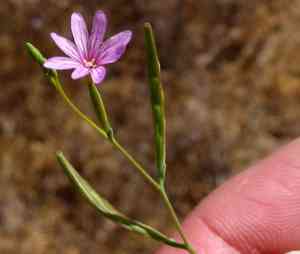
The most suitable period for relocating tall Annual Willowherb extends from the revitalizing days of early spring through the onset of late spring's mild temperatures. Choose a location that receives abundant sunlight and possesses soil with good drainage. A helpful suggestion: careful manipulation guarantees the delicate root system of tall Annual Willowherb takes hold effectively.
Necessary Preparations Before Relocating Tall Annual Willowherb?
Optimal Period for Moving Tall Annual Willowherb?
The best time to move tall Annual Willowherb is during nature's reawakening, typically from the end of frost until early summer. Transplanting tall Annual Willowherb within this timeframe allows roots to establish in mild conditions, utilizing the season's moist soil. Synchronizing the move with nature's cycle promotes vigorous development. Under the gentle spring sun, tall Annual Willowherb flourishes, leading to stronger, healthier plants better equipped for summer heat. This timing, in sync with the plant's natural growth, ensures a successful transition.
Required Spacing Between Tall Annual Willowherb Plants?
Before moving tall Annual Willowherb, confirm your spacing plan. Allow each plant approximately 12-18 inches (30-46 cm) of room. This provides ample space for the plants to thrive without competing for nutrients and light.
Ideal Soil Blend for Tall Annual Willowherb Relocation?
The perfect soil for tall Annual Willowherb is well-draining and fertile. To prepare, incorporate organic compost or a balanced, slow-release fertilizer into the top layer of your garden soil. This will give your tall Annual Willowherb a robust start.
Preferred Location for Your Tall Annual Willowherb?
Choose a sunny spot in your garden for tall Annual Willowherb, as it flourishes with ample light. Aim for a location where your plants will receive at least 6 hours of sunlight daily. This will ensure strong growth and a healthy plant.
Equipment Needed Before Relocating Tall Annual Willowherb?
Gardening Gloves
To safeguard your hands while handling soil and plants.
Shovel or Spade
For excavating the plant and preparing the new planting site.
Watering Can
To hydrate the plant before and after its relocation.
Wheelbarrow or Garden Cart
To move the plant and soil if required.
Pruners
For trimming any damaged roots or foliage.
Garden Trowel
To assist with precise digging and planting tasks.
Gardening Fork
To loosen the soil surrounding the plant prior to lifting it.
Mulch
To apply around the plant's base post-transplant to retain moisture and deter weeds.
How to Extract Tall Annual Willowherb from the Ground?
How to Extract Tall Annual Willowherb from the Ground?
From Ground: First, moisten the tall Annual Willowherb's soil to make it easier to work with. Next, use a shovel or spade to dig a wide trench around the plant, being careful not to harm the root system. Gently work your tools beneath the root ball and lift the plant with as much soil attached as possible.From Pot: Water the tall Annual Willowherb to loosen the soil. Turn the pot on its side and gently tap to help release the plant. Grasping the plant's base, carefully ease it out, avoiding pulling on the stem or leaves.From Seedling Tray: Dampen the tray's soil to ensure the tall Annual Willowherb's roots can be easily removed. Use a garden trowel or your fingers to carefully lift each seedling, including the soil around its roots, to minimize disruption.
Step-by-Step Guide for Relocating Tall Annual Willowherb
Preparation
Gather all listed tools and supplies. Ensure the tall Annual Willowherb has been watered beforehand to ease its transition and lessen shock.
Digging The New Hole
Using a shovel, excavate a hole in the ground that is twice the width and equal to the depth of the tall Annual Willowherb's root ball.
Plant Positioning
Carefully place the tall Annual Willowherb into the new hole, spreading its roots outwards. Ensure the plant sits at the same soil depth as its original location.
Backfilling
Gently refill the hole with soil, carefully working it around the roots without burying the stem too deeply.
Watering
Thoroughly water the tall Annual Willowherb after planting to settle the soil and remove air pockets. Continue regular watering as needed, depending on weather conditions.
Staking (if necessary)
If the tall Annual Willowherb is particularly tall or in a windy area, use a stake to support it. Loosely tie the plant to the stake with soft plant ties.
Post-Transplant Care for Tall Annual Willowherb?
Monitoring
Inspect the tall Annual Willowherb daily to ensure adequate moisture and absence of transplant shock symptoms, such as wilting or leaf drop.
Stabilization
Keep the area around the tall Annual Willowherb free of weeds and consider adding a layer of mulch to help retain soil moisture.
Adjustments
Make necessary changes to supports or stakes if you notice the tall Annual Willowherb leaning or becoming unstable.
Resolving Common Issues with Tall Annual Willowherb Relocation.
When is the best time to move tall Annual Willowherb?
The ideal transplanting period is from early to late spring when growth is most vigorous.
What spacing should I use for tall Annual Willowherb when relocating?
Aim for about 12-18 inches (30-45 cm) of space to allow each plant to flourish.
Why is my tall Annual Willowherb wilting after being moved?
Wilting may indicate shock. Ensure sufficient watering and avoid direct sun for a few days.
How deep should the hole be for relocating tall Annual Willowherb?
The hole should match the root ball's depth and be twice its width to promote growth.
Should I fertilize tall Annual Willowherb immediately after transplanting?
It's advisable to wait several weeks before fertilizing to prevent root burn in the young plant.
Can I move tall Annual Willowherb on a hot day?
Transplanting on a cool, overcast day is best to minimize stress on tall Annual Willowherb.
How much water does tall Annual Willowherb need after transplanting?
Water thoroughly post-transplant to settle soil, then maintain consistent moisture without overwatering.
What soil type is best for relocating tall Annual Willowherb?
Well-draining soil rich in organic matter will provide the optimal environment for tall Annual Willowherb.
How should I handle tall Annual Willowherb roots during transplanting?
Gently untangle the roots and spread them out in the hole to encourage outward growth.
What if tall Annual Willowherb leaves turn yellow after transplanting?
Yellow leaves might signal stress; check for proper soil moisture and avoid high-nitrogen fertilizers.



