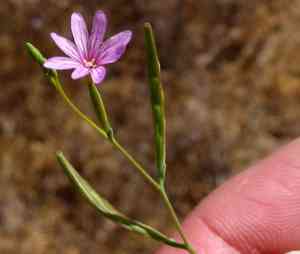
Tall Annual Willowherb (Epilobium brachycarpum)
Also known as: Autumn Willowweed, Panicled Willowherb, Annual Fireweed, Tall Fir
Tall Annual Willowherb, known scientifically as Epilobium brachycarpum, is also referred to as tall fireweed. Native to North America, this plant is part of the evening primrose family, Onagraceae. Similar to other willowherbs, its seeds feature small tufts of hair.
In This Article
Attributes of Tall Annual Willowherb
Lifespan
Annual
Plant Type
Herb
Plant Height
30 cm to 1.8 m
Spread
N/A
Leaf Color
Green Blue
Flower Size
5 mm to 1.3 cm
Flower Color
Pink Purple
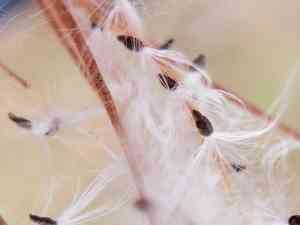
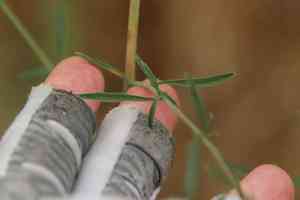
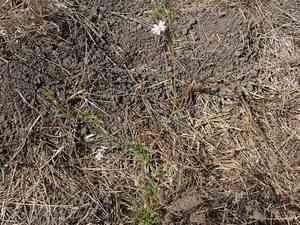
Images of Tall Annual Willowherb
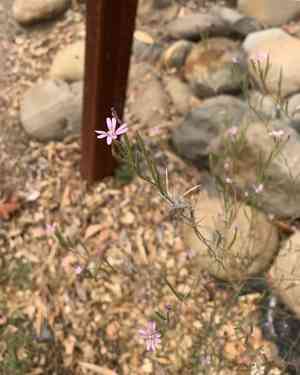
Quickly Identify Tall Annual Willowherb
1
Look for slender, erect stems that often branch in the upper part, narrow lanceolate leaves with a few toothed edges, and small flowers with four petals. The seed capsules are long and thin, splitting open to release seeds with silky hairs.
Scientific Classification of Tall Annual Willowherb
Phylum
Vascular plants
Class
Dicotyledons
Order
Myrtales
Family
Evening primrose
Genus
Willowherbs
Species
Tall Annual Willowherb
Planting and Growing of Tall Annual Willowherb
Care Difficulty
Easy
Watering Schedule
Every 4 days
Sunlight Requirements
Full sun
Sunshine Duration
6-10 hours
Ideal Temperature
60-75℉
Soil Type
Potting Mix, Peat Mix
Soil pH
6.5-7.5
Fertilizer Type
Balanced
Pruning Season
Spring, Summer
Pruning Area
Branches, Leaves
Pruning Frequency
2 times a year
Repotting Season
Spring
Pot Type
Plastic, Ceramic
 How to Water Tall Annual Willowherb?
Epilobium brachycarpum requires moderate watering. Ensure the soil is moist, but not waterlogged. Watering 250ml at a time is ideal, aiming for the top inch of soil to stay somewhat moist without excessive pooling.
What are the symptoms of an underwatered Tall Annual Willowherb?
›
What should I do if my Tall Annual Willowherb is not getting enough water?
›
What are the symptoms of an overwatered Tall Annual Willowherb?
›
How to save an overwatered Tall Annual Willowherb?
›
 What Are the Sunlight Requirements for Tall Annual Willowherb?
Epilobium brachycarpum thrives in full to partial sun, benefiting from 6-8 hours of light. Ideal lighting promotes hearty growth, disease resistance, and prolific flowering.
More About Sunlight Requirements Techniques→
Question: What is the ideal light condition for Epilobium brachycarpum?
›
Solution: How can you achieve ideal lighting for this plant?
›
Effect: What benefits do ideal lighting conditions bring to Epilobium brachycarpum?
›
 What Is the Ideal Temperature Range for Tall Annual Willowherb?
Epilobium brachycarpum thrives within an ideal temperature range between 60°F and 75°F. This range supports optimal growth and metabolic activity. Maintaining temperatures within this window helps ensure the plant flourishes, producing vibrant foliage and healthy blooms. If the temperature falls outside this range, growth might be inhibited, stressing the plant.
 What Soil is Best for Tall Annual Willowherb?
Epilobium brachycarpum thrives in well-draining soil, which helps to prevent root rot by avoiding waterlogged conditions. Ensuring good drainage allows the roots to breathe, promoting strong and healthy growth. This plant doesn't require highly fertile soils. Moderate fertility supports steady growth without excessive vegetative development, maintaining the plant's natural balance and robustness. Soil with good aeration ensures that the roots receive sufficient oxygen. This is crucial for the metabolic processes of the plant, allowing for better nutrient uptake and overall health.
 How to Fertilize Tall Annual Willowherb?
For Epilobium brachycarpum, it is important to use a balanced liquid fertilizer diluted to half strength. Each application should not exceed a quarter of the plant's pot size to avoid root damage.
 How to Prune Tall Annual Willowherb?
Before commencing with pruning, it's essential to assess the overall health of Epilobium brachycarpum. Look for any signs of disease or pest infestation. If you observe any issues, prioritize dealing with them before you start pruning. Healthy plants are more likely to recover from and respond well to pruning. Select sharp, clean pruning shears to avoid tearing the plant tissue. This will ensure clean cuts that heal quickly. Make your cuts at a 45-degree angle about a quarter of an inch above a bud, facing outward to promote outward growth. Always disinfect your tools before moving to another plant to prevent disease spread. After pruning, water the plant thoroughly to encourage new growth. Consider using a balanced, slow-release fertilizer to provide essential nutrients, aiding recovery and fostering robust new growth. Monitor the plant in the weeks following pruning for any signs of stress and water accordingly.
More About Pruning Techniques→
 How to Propagate Tall Annual Willowherb plant?
1
Choose a well-draining potting mix. Fill seed trays with the mix, leaving some space from the top. It's crucial to ensure the soil is moist but not waterlogged before sowing the seeds.
2
Scatter the Epilobium brachycarpum seeds thinly over the surface of the soil. Press them gently into the soil or lightly cover them with a thin layer of soil to secure them in place.
3
After sowing, place the seed trays in a location with indirect sunlight. Monitor the trays regularly to maintain a temperature between 15-20°C (59-68°F) and keep the soil consistently moist.
 How to Repot Tall Annual Willowherb plant?
1
Epilobium brachycarpum shows signs it's ready for repotting when roots circle the bottom, growth slows, or soil drains poorly. Choose spring or summer as ideal times for repotting, ensuring optimal plant recovery and growth.
2
Choose a pot slightly larger than the current one with ample drainage holes. This prevents waterlogging, ensuring the plant's roots remain healthy. The pot's material should also provide insulation against temperature extremes.
3
Opt for a well-draining sandy soil mix which mimics the plant's natural habitat. This medium avoids water retention and promotes aeration, preventing root rot while providing a stable environment for root development.
Learn More About Tall Annual Willowherb Diseases
Anthracnose
Bacterial Leaf Spot
Bacterial Soft Rot
Bacterial Wilt
Chemical Injury
Crown Gall
Cyst Nematode
Damping-off
Downy Mildew
Drought Stress
Fusarium Wilt
Gray Mold
Leaf Curl
Leaf Spot
Mosaic
Nutrient Deficiency
Nutrient Toxicity
Powdery Mildew
Root Rot
Root-knot Nematode
Rusts
Sooty Mold
Spider Mites
Temperature Stress
Thrips Damage
White Mold



