How to Transplant One-glumed spikesedge?
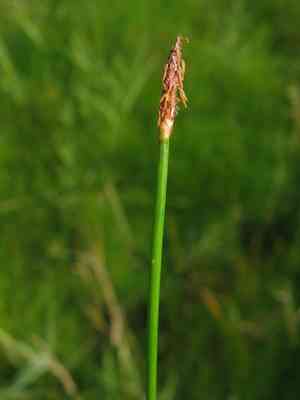
For one-glumed spikesedge, the ideal period for transplantation spans from the end of spring to the middle of summer, facilitating robust root development prior to the colder months. Place it in a damp, adequately draining location, guaranteeing continuous hydration to support the one-glumed spikesedge's successful growth after being moved.
What Preparations are Needed Before Transplanting One-glumed Spikesedge?
What is the Ideal Time for Transplanting One-glumed Spikesedge?
The perfect time to move one-glumed spikesedge is from the mild warmth of late spring into the warmer days of mid-summer. This period provides one-glumed spikesedge with optimal temperatures and extended daylight, promoting strong root development and adaptation. Relocating one-glumed spikesedge during this season takes advantage of its active growth phase, ensuring a quick and successful move to its new spot. The favorable weather conditions during this time help one-glumed spikesedge flourish, as the soil is warm enough for root growth without the stress of peak summer heat.
How Much Space Should You Leave Between One-glumed Spikesedge Plants?
Hello, gardener! When preparing for one-glumed spikesedge, aim for a generous spacing of approximately 4-6 inches (10-15 cm) between each plant. This gives your one-glumed spikesedge plenty of room to grow and spread its roots.
What is the Best Soil Mix for One-glumed Spikesedge Transplanting?
To create the perfect environment for your one-glumed spikesedge, use soil that drains well and enrich it with a balanced, slow-release fertilizer. Consider it a nourishing welcome meal for your plants!
Where Should You Relocate Your One-glumed Spikesedge?
For the best sun exposure, find a location where one-glumed spikesedge can enjoy full to partial sunlight. Think of a spot where the gentle morning rays or soft afternoon light can reach your green companions.
What Equipments Should You Prepare Before Transplantation One-glumed Spikesedge?
Gardening Gloves
To safeguard your hands while handling soil and plants.
Spade or Shovel
For digging around and beneath the plant to extract it from the ground.
Garden Fork
To loosen the soil and assist in lifting the root ball with minimal harm.
Watering Can or Hose
To hydrate the plant before and after its relocation.
Wheelbarrow or Plant Dolly
To effortlessly move the one-glumed spikesedge from one spot to another.
Pruning Shears
To trim any damaged roots or leaves.
Measuring Tape
To ensure correct spacing during the transplanting process.
How Do You Remove One-glumed Spikesedge from the Soil?
How Do You Remove One-glumed Spikesedge from the Soil?
From Ground: First, water the one-glumed spikesedge plant to moisten the soil. Next, dig a wide trench around the plant using a shovel or spade, being careful not to harm the root ball. Gently work the spade under the root ball to lift the plant from its original position.From Pot: Start by watering the one-glumed spikesedge to make the soil damp. Turn the pot on its side, hold the plant's base, tap the pot's bottom, and carefully pull the plant out, keeping the soil and roots intact.From Seedling Tray: Water the soil in the tray to prevent root damage. Use a spoon or a small tool to lift the one-glumed spikesedge seedling with its surrounding soil and root ball.
Step-by-Step Guide for Transplanting One-glumed Spikesedge
Preparation
Before you begin, ensure you have all the necessary tools listed. Choose the new location for your one-glumed spikesedge, keeping in mind the spacing instructions provided above.
Removal
Follow the removal instructions specific to whether your one-glumed spikesedge is coming from the ground, a pot, or a seedling tray. Be gentle with the root ball.
Transportation
Carefully move the one-glumed spikesedge to its new spot using a wheelbarrow or plant dolly to prevent shaking and root damage.
Hole Digging
Dig a hole in the new location that is twice as wide and the same depth as the root ball. Use a measuring tape for accuracy.
Placement
Position the one-glumed spikesedge in the center of the hole. The top of the root ball should be level with the surrounding soil surface.
Refilling
Backfill the hole with soil, gently firming it down as you go to eliminate any air pockets around the roots.
Watering
Water the one-glumed spikesedge thoroughly after transplanting to hydrate the root zone and settle the soil.
How Do You Care For One-glumed Spikesedge After Transplanting?
Initial Watering
Keep the soil around the one-glumed spikesedge consistently moist, but not waterlogged, for the first few weeks post-transplant to encourage strong root development.
Mulching
Apply a layer of mulch around the base of the one-glumed spikesedge to help retain soil moisture and stabilize soil temperature.
Monitoring
Regularly check the one-glumed spikesedge for indications of stress, such as wilting or discolored leaves, and address issues as needed.
Pruning
Trim away any dead or damaged foliage to promote new growth and reduce the likelihood of disease.
Troubleshooting Common Issues with One-glumed Spikesedge Transplantation.
What's the best time to transplant one-glumed spikesedge for optimal growth?
Transplant one-glumed spikesedge during late spring to mid-summer when growing conditions are ideal.
How far apart should I space one-glumed spikesedge plants?
Space one-glumed spikesedge 4-6 inches (10-15 cm) apart to provide each plant ample room to flourish.
Why is my one-glumed spikesedge not establishing after transplant?
Ensure you're not planting too deeply, water sufficiently, and that the soil isn't overly compact or too loose.
Can one-glumed spikesedge be transplanted in cooler weather?
Transplanting one-glumed spikesedge in cooler weather might slow its establishment. Aim for warmer late spring to mid-summer temperatures.
Should the soil be fertilized before transplanting one-glumed spikesedge?
Enriching the soil with compost or a balanced fertilizer before transplanting can boost one-glumed spikesedge's growth.
How much sun does one-glumed spikesedge need after transplanting?
Place one-glumed spikesedge in an area where it receives abundant sunlight, as it thrives in bright conditions.
How do I prep the soil for one-glumed spikesedge transplantation?
Loosen the soil, remove weeds, and ensure good drainage to create a welcoming environment for one-glumed spikesedge.
How often should I water one-glumed spikesedge after transplanting?
Water one-glumed spikesedge regularly to keep the soil moist, but not saturated, especially during the root establishment phase.
What signs indicate one-glumed spikesedge needs more space to grow?
If one-glumed spikesedge appears crowded or its growth seems stunted, consider increasing the distance between plants.
Can I transplant one-glumed spikesedge on a rainy day?
A cloudy or drizzly day is perfect as it minimizes transplant shock by reducing water loss.



