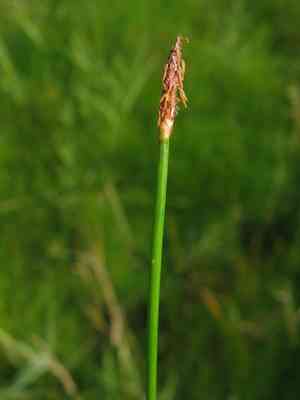
One-glumed spikesedge (Eleocharis uniglumis)
Also known as: Onescale spikerush, One-glumed spike-rush
The one-glumed spikesedge (Eleocharis uniglumis) thrives in wetland environments, especially in saline or brackish areas such as marshes and estuaries. While it is widely distributed, it is considered threatened in New Hampshire. The name "uniglumis" highlights the plant's distinctive single flower glume or bract.
In This Article
Attributes of One-glumed spikesedge
Lifespan
Perennial
Plant Type
Grass
Plant Height
30-60 cm
Spread
N/A (Clump-forming)
Leaf Color
N/A (Leafless, stems are green)
Flower Size
Approximately 0.5-1 cm
Flower Color
White Yellow Brown
Images of One-glumed spikesedge
Quickly Identify One-glumed spikesedge
1
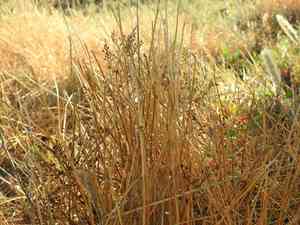
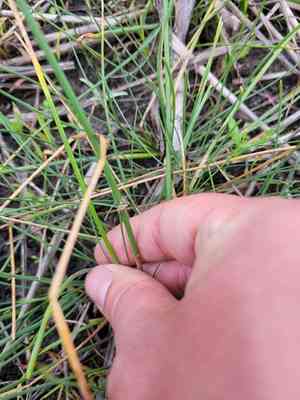
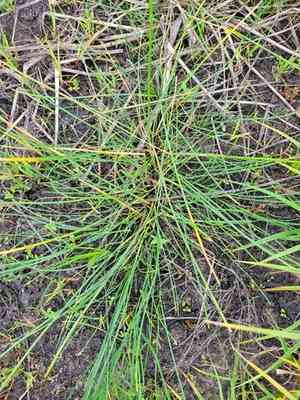
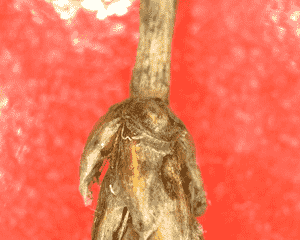
To identify Eleocharis uniglumis, look for its singular glume, elongated stems, and lack of true leaves. The stems are hollow, and the inflorescence appears as a solitary spikelet at the tip. It usually grows in clumps.
Scientific Classification of One-glumed spikesedge
Phylum
Vascular plants
Class
Monocotyledons
Order
Poales
Family
Sedge
Genus
Eleocharis
Species
One-glumed spikesedge
Planting and Growing of One-glumed spikesedge
Care Difficulty
Easy
Watering Schedule
Every 4 days
Sunlight Requirements
Full sun
Sunshine Duration
6-10 hours
Ideal Temperature
50-77℉
Soil Type
Potting Mix, Peat Mix
Soil pH
6.5-7.5
Fertilizer Type
Balanced
Pruning Season
Spring, Summer
Pruning Area
Branches, Leaves
Pruning Frequency
2 times a year
Repotting Season
Spring
Pot Type
Plastic, Ceramic
 How to Water One-glumed spikesedge?
For Eleocharis uniglumis, each watering session should involve around 150 milliliters of water. This ensures that the soil remains moist but not waterlogged, supporting its growth and mimicking its natural habitat. It is vital to check the top inch of the soil; if it feels dry to the touch, it's time to water again.
What are the symptoms of an underwatered One-glumed spikesedge?
›
What should I do if my One-glumed spikesedge is not getting enough water?
›
What are the symptoms of an overwatered One-glumed spikesedge?
›
How to save an overwatered One-glumed spikesedge?
›
 What Are the Sunlight Requirements for One-glumed spikesedge?
Partial to full sun ensures Eleocharis uniglumis receives the necessary light energy for robust growth. Ideal lighting promotes healthy green foliage and enhances the plant's physiological functions.
What are the optimal light conditions for Eleocharis uniglumis?
›
How can I achieve ideal lighting for this plant indoors?
›
What are the benefits of providing optimal light conditions?
›
 What Is the Ideal Temperature Range for One-glumed spikesedge?
The ideal temperature range for growing Eleocharis uniglumis is between 50°F and 77°F. Maintaining this range helps ensure optimal growth and health of the plant. These temperatures are conducive to active growth and facilitate biological processes necessary for the plant’s development.
 What Soil is Best for One-glumed spikesedge?
Eleocharis uniglumis thrives in soil that retains moisture well, making it vital for the soil to have adequate water-retention capabilities. This facilitates constant moisture for the plant, crucial for its growth and vitality. The plant prefers soils rich in nutrients to ensure a steady supply of essential minerals and nutrients, which aid in its development and resilience against pests and diseases. Soil with good aeration prevents root rot and ensures that roots receive sufficient air. This helps the plant's roots grow strong and healthy, providing important structural support.
 How to Fertilize One-glumed spikesedge?
For Eleocharis uniglumis, apply half the recommended dosage of the liquid or solid fertilizer as per package instructions due to its sensitivity to over-fertilization. It's crucial to avoid excessive nitrogen which might lead to lush growth but weak stems.
 How to Prune One-glumed spikesedge?
Use sharp scissors or garden shears to achieve clean cuts. Sharp tools minimize damage to the plant. Other useful tools include gloves to protect against cuts and any insects lurking in the foliage. Identify any damaged, discolored, or overly lengthy stems. Focus on maintaining the plant's rounded shape while ensuring sufficient air circulation and access to sunlight throughout the clump. Begin pruning from the outer edges working towards the center, removing any unwanted stems gently. Gradually step back to observe the plant’s form as you prune, ensuring you maintain its natural shape.
More About Pruning Techniques→
 How to Propagate One-glumed spikesedge plant?
1
Gather seeds from mature plants during late summer when the seed heads have dried. Make sure the seeds are fully matured by observing their color and firmness. Dry them properly before storage to prevent mold growth.
2
Sow seeds in a prepared seedbed or pots filled with a fine seed-starting mix. Maintain consistent moisture levels and keep them in a warm, indirect sunlight location to aid germination, which can take a few weeks.
3
Lift established plants carefully during early spring or late summer. Split the clumps into smaller sections with several shoots and roots each. Replant immediately and water thoroughly to minimize transplant shock.
 How to Repot One-glumed spikesedge plant?
1
Eleocharis uniglumis typically signals its need for repotting when its roots start appearing at the drainage holes, or when growth noticeably slows down despite proper watering and fertilization. This is usually a sign that the plant has outgrown its current pot and needs more space to continue thriving.
2
When selecting a pot for Eleocharis uniglumis, opt for a container that is only slightly larger than the current one, with ample drainage holes. A slightly bigger pot encourages new root growth without overwhelming the plant, while drainage holes prevent waterlogging that could lead to root rot.
3
The ideal soil for repotting Eleocharis uniglumis is a sandy loam mix that facilitates drainage while retaining essential nutrients. This type of soil mimics the plant's natural habitat, promoting healthy growth and preventing the risks associated with water retention, such as root rot.



