How to Transplant Echinopsis candicans?
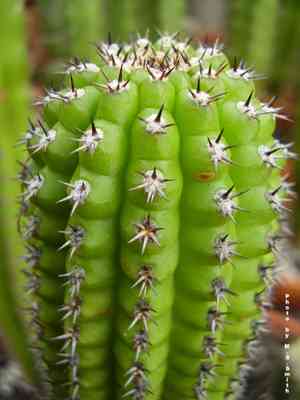
To foster robust development in echinopsis candicans, transplanting it from late spring to midsummer's warmth facilitates an effortless adjustment. Choose a bright location featuring soil that drains effectively. When relocating an established echinopsis candicans, carefully support its framework to avert damage.
What Preparations are Needed Before Transplanting Echinopsis Candicans?
What is the Ideal Time for Transplanting Echinopsis Candicans?
The optimal period to relocate echinopsis candicans spans from the initial bloom of spring to the peak warmth of summer. Moving echinopsis candicans during this active growth phase helps ensure its roots firmly establish in the new spot, leveraging the favorable weather for a smooth transition. With abundant sunlight and increasing temperatures, echinopsis candicans can prioritize root development rather than struggling with cold or excessive heat. Be assured, selecting this transplant window maximizes echinopsis candicans's prospects for a flourishing start in its new home!
How Much Space Should You Leave Between Echinopsis Candicans Plants?
Greetings, aspiring gardener! For your lovely echinopsis candicans, aim to provide each plant with ample room to flourish. A good guideline is to maintain approximately 24 inches (60 cm) of distance between each specimen. This will offer sufficient space for growth and air circulation, contributing to the happiness and health of your echinopsis candicans!
What is the Best Soil Mix for Echinopsis Candicans Transplanting?
To make your echinopsis candicans feel perfectly at home, let's prepare the soil. Opt for a soil blend that drains effectively. A sandy loam or a specialized cactus potting mix should be ideal! Before planting, incorporate a slow-release fertilizer to give your echinopsis candicans a nutrient-rich beginning. This foundational work will support robust development.
Where Should You Relocate Your Echinopsis Candicans?
Sunlight is a cherished companion for echinopsis candicans. When selecting a new planting site, ensure it's a bright location where your plant can soak in full sun for at least 6 hours daily. This sunny position will keep your echinopsis candicans radiating joy and producing beautiful blooms.
What Equipments Should You Prepare Before Transplantation Echinopsis Candicans?
Gardening Gloves
To safeguard your hands while handling soil and echinopsis candicans.
Spade or Shovel
Necessary for carefully excavating echinopsis candicans from the ground or removing soil from around its pot, if required.
Hand Trowel
Useful for more delicate tasks or for smaller echinopsis candicans specimens.
Pruning Shears
To remove any dead or superfluous parts of echinopsis candicans prior to transplanting.
Watering Can
To gently irrigate the echinopsis candicans following its relocation.
Wheelbarrow or Garden Cart
For transporting echinopsis candicans and soil if the plant is large or if you are moving multiple plants.
Soil Knife or Horihori
This implement can be utilized to separate roots or cut through dense soil.
Garden Hose with Sprayer
For initially watering the echinopsis candicans at its original spot to facilitate easier removal.
How Do You Remove Echinopsis Candicans from the Soil?
How Do You Remove Echinopsis Candicans from the Soil?
From Ground: Gently water the echinopsis candicans to moisten the soil, making extraction simpler. Carefully dig a perimeter around the echinopsis candicans with a spade or shovel, maintaining sufficient distance from the base to avoid damaging the root system. Pry the spade beneath the root ball and lift the echinopsis candicans from the ground.From Pot: Incline the pot on its side and tap or press the pot's exterior to loosen the soil. Grasp the base of the echinopsis candicans, near the soil line, and carefully ease it out of the pot, preserving as much of the root ball as possible.From Seedling Tray: Water the tray beforehand to ensure the soil is not overly compacted. Use a hand trowel or a soil knife to scoop around the individual echinopsis candicans, lifting it gently to keep the roots intact.
Step-by-Step Guide for Transplanting Echinopsis Candicans
Prepare the New Location
Excavate a hole in the ground that is twice the width of the echinopsis candicans's root ball and of equivalent depth. This ensures the roots will have ample room to spread.
Examine the Root Ball
Before placing echinopsis candicans into the new hole, inspect the root ball for any indications of disease or pests. Healthy roots are vital for successful transplantation.
Position echinopsis candicans
Carefully place echinopsis candicans into the center of the prepared hole. The top of the root ball should be level with the surrounding ground surface.
Fill the Hole
Gently backfill the excavated area with the removed soil, lightly firming it around the root ball to eliminate air pockets.
Stabilize echinopsis candicans
If echinopsis candicans is top-heavy or situated in a windy area, provide support stakes secured with soft ties to help it remain upright.
Initial Watering
Thoroughly water the echinopsis candicans immediately after transplanting to help settle the soil around the roots and minimize transplant shock.
How Do You Care For Echinopsis Candicans After Transplanting?
Monitoring
Regularly check the echinopsis candicans for signs of stress such as wilting or yellowing foliage and adjust care as necessary.
Support Structures
If you have staked the echinopsis candicans, remember to periodically inspect and adjust the ties to prevent damage as it grows.
Mulching
Apply a layer of mulch around the base of echinopsis candicans to help retain moisture and suppress weeds without crowding the stem.
Trimming
Prune away any dead or damaged parts of echinopsis candicans to direct the plant's energy towards establishing new growth.
Troubleshooting Common Issues with Echinopsis Candicans Transplantation.
What's the best time to transplant echinopsis candicans?
The ideal period is late spring through mid-summer, providing a warm growth season for echinopsis candicans.
How deeply should echinopsis candicans be planted?
Set echinopsis candicans at the same depth it grew in its previous pot, avoiding burying the stem too deep.
How much space does echinopsis candicans need when transplanting?
Plant echinopsis candicans at least 24 inches (60 cm) apart to allow ample room for growth.
How should the soil be prepared for echinopsis candicans?
Enrich the soil with organic matter and ensure it is well-draining to accommodate echinopsis candicans's needs.
What is the ideal soil pH for transplanting echinopsis candicans?
Aim for a soil pH between 6.0 and 7.5, which is typically ideal for echinopsis candicans.
Why is my echinopsis candicans wilting after transplant?
Wilting can occur from shock. Ensure proper watering and avoid full sun for a few days.
How much water does echinopsis candicans need post-transplant?
Water echinopsis candicans thoroughly after transplanting, then sparingly until it shows new growth.
Should I fertilize echinopsis candicans after transplanting?
Wait to fertilize until echinopsis candicans is established in its new location to prevent root burn.
Why are echinopsis candicans's leaves turning yellow?
Yellowing may indicate overwatering. Let the soil dry out more between watering sessions.
Can I transplant echinopsis candicans during bloom?
It's best to wait until blooming has finished to avoid stressing echinopsis candicans too much.



