Echinopsis candicans(Echinopsis candicans)

Echinopsis candicans (Echinopsis candicans)

Also known as: Argentine Giant, White Torch Cactus

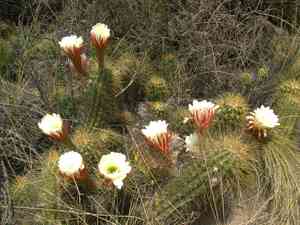
Echinopsis candicans, often called the "Argentine giant," is a notable cactus originating from Argentina, known for its impressive size and striking blooms. Ideal for Mediterranean and rock gardens, it thrives in full-sun environments. This cactus features ribbed, cylindrical stems that are visually captivating and complemented by large, fragrant white flowers which bloom nocturnally.

### Key Characteristics:
- **Size**: Reaches heights of up to 2 feet (60 cm) and can spread as wide as 10 feet (3 meters).
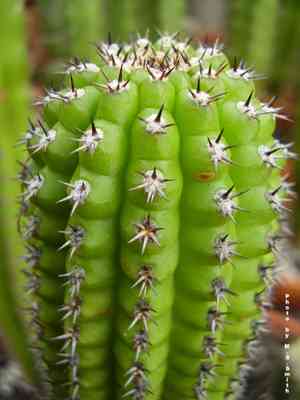
- **Stems**: Green, ribbed, and cylindrical, growing up to 5 inches (12 cm) in diameter.
- **Spines**: Yellow to brown, ranging from 1-2 inches (2.5-5 cm) long.
- **Flowers**: Large, white, and aromatic, these blooms appear in spring and early summer, opening at night.

### Optimal Growing Conditions:
- **Light**: Best grown in full sun, though it can handle some partial shade.
- **Soil**: Requires well-draining soil, such as a mix designed for cacti or succulents.
- **Water**: Needs minimal watering; the soil should be allowed to dry out between waterings.
- **Temperature**: Prefers warm climates and can endure temperatures as low as 20°F (-6°C), though frost protection is beneficial.
- **Fertilization**: Apply a balanced fertilizer sparingly during the growing season (spring and summer).

This cactus is an excellent choice for xeriscaping and can be planted in containers or directly in the ground where conditions are favorable.

Attributes of Echinopsis candicans

Lifespan
Perennial
Plant Type
Succulent
Plant Height
60 cm
Spread
3 m
Leaf Color
N/A
Flower Size
Up to 15-20 cm (6-8 inches)
Flower Color
White

ForwardPlant - Identify plants with a snap

Identify and diagnose plants, get toxicity alerts, and explore safety guides for all types of fungi.

Try for Free

Images of Echinopsis candicans

Echinopsis candicans(Echinopsis candicans)

Quickly Identify Echinopsis candicans

1
Echinopsis candicans can be recognized by its large size, typically forming dense clumps of ribbed stems that can reach up to 60 cm in height. It produces large, white, nocturnal flowers that are fragrant.

Scientific Classification of Echinopsis candicans

Phylum
Vascular plants
Class
Dicotyledons
Order
Caryophyllales
Family
Cactuses
Genus
Hedgehog cactusses
Species
Echinopsis candicans

Planting and Growing of Echinopsis candicans

Care Difficulty
Easy
Watering Schedule
Every 2 days
Sunlight Requirements
Full sun
Sunshine Duration
6-10 hours
Ideal Temperature
64-77℉
Soil Type
Potting Mix, Peat Mix
Soil pH
6.5-7.5
Fertilizer Type
Balanced
Pruning Season
Spring, Summer
Pruning Area
Branches, Leaves
Pruning Frequency
2 times a year
Repotting Season
Spring
Pot Type
Plastic, Ceramic

water icon How to Water Echinopsis candicans?

For Echinopsis candicans, it is essential to soak the soil thoroughly until water starts to drain from the pot. This cactus thrives in a dry environment and can store water efficiently in its tissues. Therefore, wet the soil fully and allow it to dry out completely before the next watering session.
What are the symptoms of an underwatered Echinopsis candicans?
What should I do if my Echinopsis candicans is not getting enough water?
What are the symptoms of an overwatered Echinopsis candicans?
How to save an overwatered Echinopsis candicans?

sunlight icon What Are the Sunlight Requirements for Echinopsis candicans?

Sunlight Requirements: Full sun
Duration of light: 8 to 10 hours
This plant prefers full sunlight conditions, ideally basking in daily direct light for optimal health and flowering. This ensures energy production through photosynthesis is maximized, leading to robust growth and resistance against pests and diseases.
Optimal Lighting Environment
Solutions for Ideal Lighting
Benefits of Ideal Lighting

temperature icon What Is the Ideal Temperature Range for Echinopsis candicans?

Ideal Temperature: 64 ~ 77℉
The ideal temperature range for Echinopsis candicans is between 64°F and 77°F. This cactus thrives in such mild to warm conditions, mimicking its native habitat of South America. Ensuring that the plant stays within this temperature range supports healthy growth and flowering.

soil icon What Soil is Best for Echinopsis candicans?

Soil type: Sandy soil, Loam
Soil PH: 6.5 ~ 7.5
Echinopsis candicans thrives in well-draining soil, which prevents water from pooling around the roots. This type of soil ensures the plant's roots stay healthy and reduces the risk of root rot, which is crucial for maintaining a vibrant and robust cactus. While Echinopsis candicans doesn't need heavily fertilized soils, having a nutrient-rich composition can support better growth and flowering. Incorporating organic matter or cactus fertilizers can offer essential nutrients, promoting vigorous development and spectacular blooms. This cactus prefers slightly acidic to neutral pH levels between 6.5 and 7.5. Such pH conditions enhance nutrient absorption and overall plant health, contributing to lush green growth and resilient structure.

fertilize icon How to Fertilize Echinopsis candicans?

Fertilizer type: Balanced
For Echinopsis candicans, it's important to use fertilizer sparingly as it is a cactus that generally thrives in nutrient-poor soils. When applying liquid fertilizer, dilute to half the recommended strength on the label. This ensures the plant gets necessary nutrients without risk of root burn. For solid fertilizers, use a balanced slow-release formula, sprinkled lightly at the base of the plant.

prune icon How to Prune Echinopsis candicans?

Pruning Time: Spring, Summer
Begin by examining the plant for dead or damaged sections. Discolored or shriveled parts usually indicate areas that need removal. Carefully cut away these sections to allow the plant to focus its energy on healthy growth. After removing dead parts, focus on shaping the cactus. Trim back any overly long or irregular stems to maintain a compact and pleasing appearance. Be mindful of the plant’s natural shape and avoid over-cutting.

propagate icon How to Propagate Echinopsis candicans plant?

Propagate Time: Spring, Early summer
1
Start by collecting seeds from the Echinopsis candicans once the fruits have matured. Clean the seeds and let them dry completely. Sow them in a tray filled with a well-draining, sterilized potting mix. Cover the seeds lightly with soil.
2
Select healthy stems and use a sharp knife to cut sections 4-6 inches long. Allow the cut ends to dry for a few days to form calluses before planting them in a well-draining potting mix.
3
Position seeds or cuttings in a bright but indirect light setting. Water the soil moderately, keeping it moist but not wet. Overwatering can lead to rot, so ensure the soil has proper drainage.

repot icon How to Repot Echinopsis candicans plant?

Repotting frequency: Every 2-3 years
1
Echinopsis candicans shows signs that it's time to repot when its roots protrude through the drainage holes, indicating limited space. Additionally, if the cactus growth has slowed or the soil appears compacted, it's time to consider a new pot. Keep an eye on these signals after the blooming season to ensure optimal plant health.
2
Select a pot that is slightly wider than the current one but not excessively deep, as cacti prefer a snug fit for support. Ensure it has drainage holes to prevent water stagnation, which is crucial for the plant's health. A terracotta pot is ideal for its porous nature, aiding moisture control, and giving your cactus stability.
3
Use a well-draining cactus mix that mimics the arid desert environment. This mix should include one-third sand, one-third potting soil, and one-third perlite or pumice. The combination prevents water retention, reducing the risk of root rot while providing excellent aeration for roots.

ForwardPlant - Identify plants with a snap

Find the best spots for them to optimize their health, simply using your phone.

Try for Free