How to Transplant Mojave mound cactus?
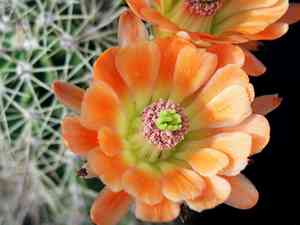
Mojave mound cactus flourishes when relocated during the lively phase of early to mid-spring, benefiting from ideal growth circumstances. Select a bright, adequately draining spot to guarantee a successful transfer. Minimize root disruption for superior outcomes.
What Preparations are Needed Before Transplanting Mojave Mound Cactus?
What is the Ideal Time for Transplanting Mojave Mound Cactus?
The best time to move mojave mound cactus is from late winter to early spring. This timing allows the plant to establish its root system before the intense summer heat. Transplanting during this period minimizes stress on mojave mound cactus and provides ample time for adaptation, promoting healthier development and resilience.
How Much Space Should You Leave Between Mojave Mound Cactus Plants?
To provide mojave mound cactus with adequate room for growth, position each plant 12-18 inches (30-45 cm) apart. This spacing ensures proper air circulation and sufficient area for them to flourish.
What is the Best Soil Mix for Mojave Mound Cactus Transplanting?
For mojave mound cactus, utilize a well-draining soil, such as a cactus-specific blend, to prevent root decay. Incorporate a balanced base fertilizer to give them a strong start. A mixture containing sand, perlite, and a small amount of organic material is effective.
Where Should You Relocate Your Mojave Mound Cactus?
Place mojave mound cactus in a location where they can receive full sunlight, ideally 6-8 hours daily. They thrive in bright, sunny environments and will flourish with ample direct sun exposure.
What Equipments Should You Prepare Before Transplantation Mojave Mound Cactus?
Gardening Gloves
To safeguard your hands while handling soil and the plant.
Hand Trowel
For excavating small holes and loosening the earth around the mojave mound cactus.
Shovel
To dig larger holes and trenches, especially if the mojave mound cactus is in the ground.
Pruning Shears
To trim any damaged or deceased roots.
Wheelbarrow
For moving the mojave mound cactus if it is large or needs to be transported a considerable distance.
Watering Can
To hydrate the mojave mound cactus before and after relocation.
Burlap or Cloth
To wrap around the root ball if the mojave mound cactus is substantial, ensuring it stays intact during the move.
Stakes and Ties
To provide support for the mojave mound cactus if needed after transplanting.
How Do You Remove Mojave Mound Cactus from the Soil?
How Do You Remove Mojave Mound Cactus from the Soil?
From Ground: First, moisten the soil around the mojave mound cactus. Then, use a shovel to dig a wide trench around the plant, ensuring the root ball remains undisturbed. Carefully work the shovel beneath the root ball to lift the plant from its original spot.From Pot: Begin by thoroughly watering the mojave mound cactus. Next, gently tip the pot onto its side and tap the bottom to loosen the soil. Carefully slide the mojave mound cactus out, supporting the root ball with your hand.From Seedling Tray: Lightly water the mojave mound cactus, then use a hand trowel or your fingers to gently loosen the soil around the seedling. Carefully lift the mojave mound cactus out, ensuring the root system remains intact.
Step-by-Step Guide for Transplanting Mojave Mound Cactus
Prepare the New Site
Dig a hole in the garden that is twice as wide and equally deep as the mojave mound cactus's root ball. Ensure the soil is loose and drains well.
Remove the Plant
Follow the instructions for the relevant scenario (ground, pot, or seedling tray) to carefully extract the mojave mound cactus from its original location.
Inspect the Roots
Examine the roots of the mojave mound cactus for any damage. Trim any broken or rotted roots with pruning shears.
Place in New Hole
Position the mojave mound cactus in the center of the hole so that the top of the root ball is level with or slightly above the surrounding soil surface.
Backfill with Soil
Gently fill the hole with soil, pressing it down lightly to remove air pockets. Be careful not to plant the mojave mound cactus too deeply.
Water Thoroughly
Water the mojave mound cactus generously immediately after planting to help settle the soil and encourage root establishment.
Add Mulch
Apply a layer of mulch around the base of the mojave mound cactus to help retain moisture and regulate soil temperature.
How Do You Care For Mojave Mound Cactus After Transplanting?
Watering
Water the mojave mound cactus regularly to keep the soil consistently moist, but not waterlogged, for the initial few weeks. Gradually decrease the frequency as the mojave mound cactus becomes established.
Monitoring
Check the mojave mound cactus daily for indications of stress, such as wilting or yellowing foliage, and address any issues promptly.
Support
If necessary, use stakes and ties to support the mojave mound cactus until it is strong enough to stand independently.
Protection
Keep an eye out for pests and diseases, treating any problems immediately to ensure the mojave mound cactus's healthy growth.
Troubleshooting Common Issues with Mojave Mound Cactus Transplantation.
When is the best time to transplant mojave mound cactus?
The optimal period to transplant mojave mound cactus is early to mid-spring when temperatures are moderate.
How far apart should I space mojave mound cactus?
Space mojave mound cactus 12-18 inches (30-45 cm) apart for ideal growth and air circulation.
What type of soil is best for mojave mound cactus?
Use well-draining soil mixed with sand or grit to prevent root rot in mojave mound cactus.
How do I prepare the new site for mojave mound cactus?
Loosen the soil up to 10 inches (25 cm) deep and amend with coarse sand or gravel.
Should I water mojave mound cactus immediately after transplanting?
Water sparingly right after transplanting mojave mound cactus to help settle the soil but avoid overwatering.
How can I protect myself from mojave mound cactus's spines during transplanting?
Use thick gloves and tools like tongs or a piece of cloth to handle mojave mound cactus safely.
How can I prevent mojave mound cactus from getting transplant shock?
Transplant mojave mound cactus in the morning or late afternoon and avoid disturbing the roots too much.
Can I transplant mojave mound cactus during hot weather?
Avoid transplanting mojave mound cactus during hot weather to reduce stress on the plant.
Do I need to fertilize mojave mound cactus right after transplanting?
Wait a few weeks before fertilizing mojave mound cactus to allow it to adjust to the new location.
How deep should I plant mojave mound cactus?
Plant mojave mound cactus at the same depth it was growing previously to avoid stem rot.



