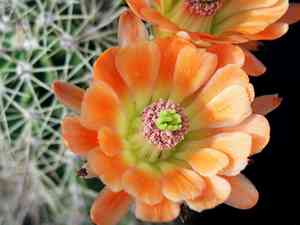
Mojave mound cactus (Echinocereus polyacanthus)
Also known as: Spiny hedgehog
The Mojave mound cactus (Echinocereus mojavensis) is well-suited to rocky desert terrains thanks to several unique adaptations. It features clusters of cylindrical stems adorned with striking magenta flowers. The cactus's dense spines serve dual purposes: they deter herbivores and offer shade to minimize water loss. Instead of deep roots, it has an extensive, shallow root system that efficiently captures water from sporadic rainfalls. Additionally, its thick stems are excellent at storing water, allowing the plant to endure long dry spells. These combined traits ensure its success in challenging arid environments.
In This Article
Attributes of Mojave mound cactus
Lifespan
Perennial
Plant Type
Succulent
Plant Height
30-60 cm
Spread
10-20 cm
Leaf Color
None (This cactus has spines instead of leaves)
Flower Size
5-10 cm
Flower Color
Red, Pink, Orange
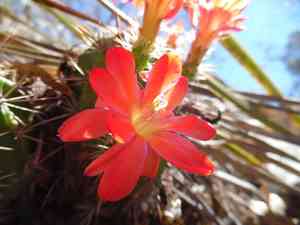
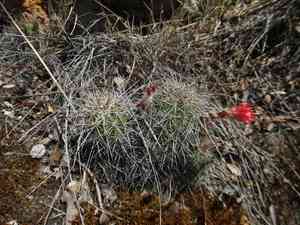
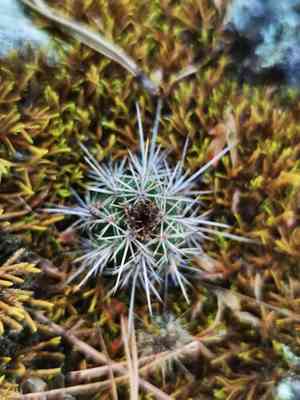
Images of Mojave mound cactus
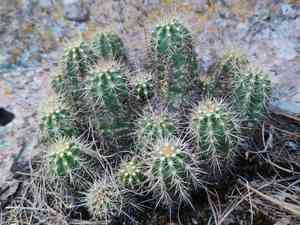
Quickly Identify Mojave mound cactus
1
To identify Echinocereus polyacanthus, look for its cylindrical stems covered with multiple rows of spines. The flowers are usually large and brightly colored, appearing at the tops of the stems.
Scientific Classification of Mojave mound cactus
Phylum
Vascular plants
Class
Dicotyledons
Order
Caryophyllales
Family
Cactuses
Genus
Hedgehog cactus
Species
Mojave mound cactus
Planting and Growing of Mojave mound cactus
Care Difficulty
Moderate
Watering Schedule
Every 2 days
Sunlight Requirements
Full sun
Sunshine Duration
4-6 hours
Ideal Temperature
70-85℉
Soil Type
Potting Mix, Peat Mix
Soil pH
6.5-7.5
Fertilizer Type
Balanced
Pruning Season
Spring, Summer
Pruning Area
Branches, Leaves
Pruning Frequency
2 times a year
Repotting Season
Spring
Pot Type
Terracotta, Plastic
 How to Water Mojave mound cactus?
Echinocereus polyacanthus thrives with a modest watering schedule. Water about 150 milliliters per session, ensuring the soil is thoroughly soaked but not waterlogged. It’s crucial to allow the substrate to dry out completely between waterings to mimic its natural arid environment.
What are the symptoms of an underwatered Mojave mound cactus?
›
What should I do if my Mojave mound cactus is not getting enough water?
›
What are the symptoms of an overwatered Mojave mound cactus?
›
How to save an overwatered Mojave mound cactus?
›
 What Are the Sunlight Requirements for Mojave mound cactus?
Echinocereus polyacanthus thrives best under full sun, receiving around 8 to 10 hours of sunlight to ensure optimum blooming and stem growth. Adequate sunlight reinforces its structural health and vibrant appearance.
How much sunlight does Echinocereus polyacanthus need daily?
›
Can Echinocereus polyacanthus tolerate shade?
›
What is the best way to position Echinocereus polyacanthus for optimal sunlight?
›
 What Is the Ideal Temperature Range for Mojave mound cactus?
The ideal temperature range for Echinocereus polyacanthus is between 70°F and 85°F. Within this range, the plant can optimally conduct photosynthesis and maintain healthy metabolic processes. It provides the right balance of warmth without risking heat stress, making it optimal for growth and flowering.
 What Soil is Best for Mojave mound cactus?
This plant thrives in a well-draining soil environment, which is crucial to prevent root rot. The key to its health lies in preventing moisture accumulation around its roots. Echinocereus polyacanthus requires minimal nutrients due to its cactus nature. A soil mix with low organic content mimics its natural desert habitat and ensures the plant is not overwhelmed by excessive nutrients. A loose and airy soil structure helps promote oxygen exchange around the roots. This is vital for healthy root development and overall plant vigor.
 How to Fertilize Mojave mound cactus?
For Echinocereus polyacanthus, the recommended amount of fertilizer is modest. When using liquid fertilizer, dilute it to half the strength suggested on the package. This cactus does not require heavy feeding, so err on the side of caution. For slow-release fertilizers, a small pinch or a teaspoon depending on pot size is sufficient. Always monitor your plant's health to adjust the dosage if necessary.
 How to Prune Mojave mound cactus?
Carefully inspect your Echinocereus polyacanthus for any dead or damaged sections. Look for discoloration, softness, or signs of rot, which indicate areas that should be pruned. Using a sharp, sterilized knife or pruning shears, make clean cuts at the base of any damaged or dead sections. Avoid tearing the plant to ensure quicker healing. Gently shape the cactus by trimming any uneven growths. This enhances its aesthetic appeal and ensures that light and air can reach the entire plant.
More About Pruning Techniques→
 How to Propagate Mojave mound cactus plant?
1
Collect seeds from mature fruit and allow them to dry before sowing. Use a well-draining cactus mix in a seed tray, sow the seeds evenly, and lightly cover them with a thin layer of soil.
2
Select a healthy segment from the parent plant and use a sharp knife to cut it cleanly. Let the cutting callous over for a few days in a dry, shaded location before planting it in soil.
3
Place the prepared seeds or the calloused cuttings in a well-draining potting mix. Water the substrate lightly, ensuring it is moist but not soggy, then place in a warm location with indirect sunlight.
 How to Repot Mojave mound cactus plant?
1
Echinocereus polyacanthus should be repotted when roots fill the pot or show through drainage holes. Spring and summer are ideal for repotting as the plant is in its active growth phase, ensuring better acclimatization.
2
Choose a pot slightly larger than the current one, with excellent drainage. A clay pot is preferred as it allows for evaporation, helping to prevent overwatering and root rot, critical for cactus health.
3
Opt for a cactus potting mix that provides good drainage and aeration. This soil mix prevents water retention, reducing the risk of root rot, and supports the plant's natural habitat conditions.



