How to Transplant Fragrant wood fern?
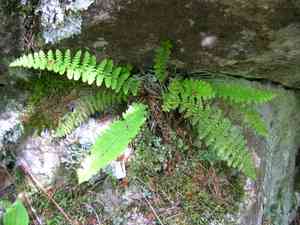
For an optimal beginning for fragrant wood fern, relocate it as its growth resumes, generally throughout the spring season. Select a shaded, damp location, and carefully position fragrant wood fern, ensuring the root system remains intact for a smooth establishment.
Essential Preparations Before Relocating Fragrant Wood Fern?
Optimal Period for Moving Fragrant Wood Fern?
The ideal time for relocating fragrant wood fern spans from the onset of early spring through the flourishing period of late spring. This timeframe offers fragrant wood fern mild temperatures and sufficient soil moisture, fostering robust root development prior to the summer warmth. By moving fragrant wood fern during this interval, you facilitate its adaptation to the new site, supported by spring's gentle growth conditions, which is crucial for perennial vitality and resilience.
Recommended Spacing Between Fragrant Wood Fern Plants?
When rehousing your fragrant wood fern, ensure each specimen has adequate personal space, ideally positioned 6-12 inches (15-30 cm) apart. This spacing allows roots to expand and fronds to thrive without competing with adjacent plants.
Preferred Soil Blend for Fragrant Wood Fern Relocation?
Your fragrant wood fern will flourish in rich, well-draining soil. Prior to planting, enriching the earth with compost or a balanced slow-release fertilizer will provide fragrant wood fern with a nutritious beginning. Aim for a soil pH between 5.0 and 7.0, which is slightly acidic to neutral.
Optimal Location for Replanting Your Fragrant Wood Fern?
Select a site for your fragrant wood fern where sunlight gently filters through, such as an area with partial to full shade. Shield your fragrant wood fern from intense midday sun, which can be detrimental to its delicate fronds. A north-facing garden spot or a location beneath deciduous trees is perfect.
Tools Required Before Transplanting Fragrant Wood Fern?
Gardening Gloves
To safeguard your hands while handling soil and plants.
Shovel or Spade
For excavating around and beneath the plant's root ball.
Hand Trowel
For more precise digging and moving smaller plants.
Wheelbarrow or Garden Cart
To transport the plant and soil materials.
Pruning Shears
To trim any dead or excess foliage before relocation.
Watering Can or Garden Hose
For hydrating the plant before and after its move.
Mulch
To aid in retaining soil moisture and regulating ground temperature.
Measuring Tape
To assist in correctly spacing the plant from others.
Method for Extracting Fragrant Wood Fern from the Ground?
Method for Extracting Fragrant Wood Fern from the Ground?
From Ground: First, moisten the fragrant wood fern plant to dampen the soil. Next, excavate a broad trench around the plant using a shovel or spade, ensuring the plant's root ball remains intact. Carefully maneuver the spade beneath the root ball to lift the plant from the ground with minimal root disturbance.From Pot: Water the fragrant wood fern thoroughly to facilitate the transplanting process. Invert the pot onto its side and gently tap the base to dislodge the plant. Support the plant with one hand and use the other to carefully ease it out of the pot. If it resists, you may need to carefully run a trowel along the inner rim of the pot.From Seedling Tray: Water the seedlings to keep the soil cohesive. Push up from the tray's bottom or use a dibber or small stick to carefully lift the seedling from its cell, ensuring the soil and root ball are supported.
Step-by-Step Guide for Relocating Fragrant Wood Fern
Preparation
Before relocating, ensure all necessary tools and equipment are readily available. Confirm the new planting site is prepared for the fragrant wood fern. Water the fragrant wood fern thoroughly before commencing the transplanting process to minimize plant stress and simplify its removal from the original spot. Also, consider transplanting on an overcast day or late in the afternoon to lessen the impact of direct sunlight on the freshly moved fragrant wood fern. Keep the roots moist and covered to shield them from air and sun exposure if there's any delay in moving them to their new location. Finally, prepare a bucket or wheelbarrow with water to transport the fern if the new site is a distance away. This will keep the roots damp during transit. Ensure water, mulch, and your tools are within easy reach of the new planting area. Have a clear plan for each fern's placement and spacing. Lastly, if transferring the fragrant wood fern from a pot or seedling tray, omit the watering step if the soil is already moist to prevent overwatering.
Excavating the Hole
At the new site, use a hand trowel – or a shovel for larger plants – to dig a hole as deep as the root ball and twice its width. This provides ample room for root expansion without constriction. If transplanting multiple fragrant wood fern, ensure sufficient space between each hole for individual plants.
Positioning the Plant
Carefully place the fragrant wood fern in the center of the hole so the top of the root ball is level with, or slightly above, the surrounding ground. This promotes proper root development and drainage. Gently backfill around the root ball with soil, firming it as you go to eliminate air pockets that can dry out roots and hinder plant growth. Pause several times while backfilling to water the soil. This helps settle the soil around the roots and ensures water reaches the roots directly rather than running off. Once planted, gently press down around the base of the fragrant wood fern to establish good soil-to-root contact and help anchor the plant. Avoid treading too firmly, as this can compact the soil and damage the roots.
Initial Watering
Immediately after planting, water the fragrant wood fern deeply to settle the surrounding soil around the root ball and help mitigate transplant shock. Use a watering can or garden hose to gently saturate the area without displacing the soil. This is crucial as it also helps ensure no air pockets remain around the roots, which can impede growth and lead to root demise.
Applying Mulch
Apply a 2-3 inch layer of mulch around the base of the fragrant wood fern, keeping it a few inches away from the stems to prevent rot. Mulch aids in retaining soil moisture, maintaining consistent soil temperatures, and reducing weed competition. Opt for an organic mulch like shredded bark or leaf mold. Mulch also enhances the garden's aesthetic in addition to its practical benefits.
Labeling and Documentation
Place a label with the fragrant wood fern's name and planting date in the ground beside the plant. This is particularly useful if you are planting multiple specimens and wish to track their growth progress. Maintaining records can be beneficial for future reference regarding each plant's care and preferences.
Post-Transplantation Care for Fragrant Wood Fern?
Consistent Hydration
Provide the fragrant wood fern with regular watering during its initial growing season until it becomes established. Depending on rainfall, weekly watering may be necessary. In the absence of adequate rain, water deeply once a week to encourage robust root growth. Prevent overwatering, which can lead to root rot.
Pest and Disease Vigilance
Monitor for any indications of pests or diseases and address them appropriately if they appear. As a new gardener, familiarize yourself with common fern issues and be prepared to act or seek advice from an experienced gardener or local nursery. Regular inspection of your fragrant wood fern will enable prompt intervention should any health problems arise.
Structural Support
If needed, provide staking or support for your fragrant wood fern during windy conditions or if it's situated in a particularly exposed area. While Wood Ferns are generally resilient, new transplants can sometimes benefit from extra protection until their roots are fully established.
Seasonal Maintenance
As fragrant wood fern is a perennial, it will return annually. In late autumn, after the first frost, you can trim back dead foliage to keep the plant tidy. This also prevents disease from overwintering. In spring, remove any old plant material to make way for new growth. For perennials, it's also helpful to know when and how much to prune your plants for the winter season.
Addressing Common Issues with Fragrant Wood Fern Relocation.
When is the optimal time to move fragrant wood fern?
Relocate fragrant wood fern in early to late spring, maximizing root establishment before summer heat.
What spacing is recommended for fragrant wood fern during transplantation?
Space fragrant wood fern approximately 6-12 inches (15-30 cm) apart to allow for growth and air circulation.
Which soil conditions are best for fragrant wood fern after transplanting?
Aim for well-draining, fertile soil with a neutral to slightly acidic pH for fragrant wood fern's optimal growth.
How deep should fragrant wood fern's roots be planted during transplantation?
Plant fragrant wood fern's roots just below the soil surface, ensuring the crown is at ground level.
How do I ensure proper water absorption for fragrant wood fern after transplanting?
Water fragrant wood fern thoroughly after planting and maintain moist soil without waterlogging.
Why are the leaves of my transplanted fragrant wood fern turning yellow?
Leaf yellowing in fragrant wood fern may indicate overwatering or poor drainage; check soil conditions.
How can I safeguard newly transplanted fragrant wood fern from pests?
Regularly inspect, and if necessary, use natural pest deterrents suitable for fragrant wood fern after transplanting.
What light conditions are ideal for fragrant wood fern post-transplant?
Position fragrant wood fern in partial to full shade, avoiding direct afternoon sunlight.
How frequently should I fertilize fragrant wood fern after transplanting?
Fertilize fragrant wood fern sparingly; excessive feeding can harm the plant. Use a balanced, slow-release fertilizer as needed.
Is mulching beneficial for fragrant wood fern after transplanting?
Yes, mulching helps retain moisture and regulate soil temperature for fragrant wood fern, aiding in establishment.



