Enhancing Your Garden Design with the Fragrant wood fern Plant: A Landscaping Guide
1
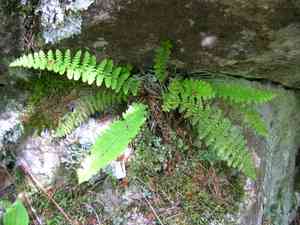
Fragrant wood fern provides a distinct visual charm that can elevate any garden layout.
2
Grasping the developmental patterns of Fragrant wood fern is crucial for effective landscaping.
3
Fragrant wood fern needs particular care to flourish and add to an attractive outdoor space.
Why Select Fragrant Wood Fern for Your Garden?
Discovering Fragrant Wood Fern's Distinctive Visual Appeal
A primary reason to opt for Fragrant wood fern in your garden is its unique aesthetic charm. This fern's delicate foliage and singular texture impart a natural sophistication to any outdoor space. Its graceful, arching growth and gentle green tones make it a visual delight, complementing diverse garden styles. Whether integrated into a shaded woodland setting or serving as a focal point in a modern design, Fragrant wood fern introduces an element of enduring beauty. Its capacity to form a verdant, lush backdrop also helps accentuate other flowering plants, enriching the garden's visual tapestry.
Understanding the Growth Characteristics of Fragrant Wood Fern
To successfully integrate Fragrant wood fern into your landscaping, comprehending its growth habits is essential. Fragrant wood fern typically flourishes in shaded or partially shaded locales, preferring consistently moist, well-draining soil. This fern is recognized for its slow to moderate growth rate, which simplifies its management within a garden environment. It spreads gradually via rhizomes, forming a dense mat of leaves that aids in weed suppression and moisture retention. Grasping these growth patterns enables gardeners to strategically position Fragrant wood fern where it can thrive without overshadowing other plants. Proper placement ensures it remains a harmonious component of the garden's overall scheme.
Fragrant Wood Fern's Seasonal Transformations and Visual Impact
Fragrant wood fern provides dynamic visual interest to your garden throughout the year. In spring, new fronds unfurl with a vibrant, fresh green hue, signaling the season's commencement. Throughout summer, the fern maintains its lush appearance, offering consistent greenery. As autumn approaches, Fragrant wood fern may exhibit subtle color shifts, adding a touch of warmth to the garden's palette. In winter, though it might recede, the fern's dried fronds can still provide texture and appeal amidst the dormancy of other plants. By understanding these seasonal changes, gardeners can plan for a year-round display of beauty with Fragrant wood fern at its core.
Integrating Fragrant Wood Fern into Various Landscapes
Optimal Practices for Planting Fragrant Wood Fern in Diverse Environments
Incorporating Fragrant wood fern into different landscapes demands careful planning and execution. When planting Fragrant wood fern, begin by selecting a site with suitable conditions â partial to full shade and well-drained soil rich in organic matter. Prepare the soil by adding compost or other organic amendments to enhance fertility and moisture retention. Plant Fragrant wood fern at the same depth it was growing in its nursery container, and water thoroughly to aid establishment. Mulching around the fern's base helps maintain soil moisture and temperature. Consistent watering, especially during dry spells, ensures Fragrant wood fern thrives and enhances your garden's allure.
Companion Plants: What Flourishes Alongside Fragrant Wood Fern?
Choosing appropriate companion plants for Fragrant wood fern can elevate the garden's overall aesthetic and ecological balance. Consider pairing Fragrant wood fern with other shade-loving plants such as hostas, astilbes, and heucheras. These plants not only share similar growing conditions but also offer contrasting textures and colors that highlight Fragrant wood fern's delicate fronds. Flowering plants like columbines and bleeding hearts can introduce splashes of color that stand out against the fern's green backdrop. Additionally, ground covers like wild ginger or creeping Jenny can create a lush, layered look that complements Fragrant wood fern's growth habit. The key is to select plants that thrive under similar conditions to foster a cohesive and harmonious garden design.
Positioning Fragrant Wood Fern for Maximum Visual Effect
Strategic placement of Fragrant wood fern in your garden is crucial for maximizing its visual impact. Utilize Fragrant wood fern as a border plant to delineate pathways or garden beds, where its dense foliage can form a soft, natural edge. In larger garden areas, consider planting Fragrant wood fern in clusters or drifts to create a sweeping, unified impression. This mass planting technique can emphasize the fern's texture and form, making a bold statement in your landscape. Fragrant wood fern also performs well in container gardens, where its cascading fronds can spill over the edges, adding interest to patios or shaded corners. Thoughtful positioning ensures Fragrant wood fern enhances the visual flow and attractiveness of your garden.
Maintaining Fragrant Wood Fern in Your Landscape
Seasonal Care Guidelines for Fragrant Wood Fern
Maintaining Fragrant wood fern in your landscape involves seasonal care routines that ensure its health and vitality. In spring, remove any dead or damaged fronds to encourage new growth and improve air circulation. A light application of balanced fertilizer can support robust growth, but be careful to avoid over-fertilizing, which can lead to excessive foliage at the expense of a healthy root system. During summer, consistent watering is vital, especially in dry periods, to keep the soil uniformly moist. In autumn, mulching around the fern helps protect it from temperature fluctuations and retain soil moisture. Winter care requires minimal intervention, but providing a layer of mulch can offer additional protection against harsh weather.
Addressing Common Issues with Fragrant Wood Fern
While Fragrant wood fern is generally resilient, it can encounter some typical challenges. Pests such as slugs and snails may feed on the fronds, causing unsightly damage. Regular inspections and employing organic pest control methods, like diatomaceous earth or handpicking, can help manage these issues. Diseases like root rot can occur if Fragrant wood fern is planted in poorly drained soil, so ensuring proper drainage is essential. Yellowing or browning fronds often signal stress, either from insufficient watering, pests, or nutrient deficiencies. Promptly addressing these problems by adjusting care routines or improving growing conditions can help maintain Fragrant wood fern's health and beauty.
Long-term Health and Robustness of Fragrant Wood Fern
Fostering the long-term health and vigor of Fragrant wood fern requires consistent care and attention. Regularly divide mature clumps every few years to prevent overcrowding, which can lead to reduced vitality and increased susceptibility to disease. Division also promotes new growth and helps maintain the fern's aesthetic appeal. Monitor soil quality, incorporating organic matter periodically to ensure it remains fertile and well-drained. Observing environmental changes and adjusting care practices accordingly can help your Fragrant wood fern adapt and thrive. With proper care, Fragrant wood fern can remain a vibrant and integral part of your garden landscape for many years.
Creative Concepts for Utilizing Fragrant Wood Fern in Landscape Design
Innovative Landscape Themes Featuring Fragrant Wood Fern
Incorporate Fragrant wood fern into innovative landscape themes to craft distinctive and captivating designs. Use Fragrant wood fern to evoke a woodland garden ambiance, pairing it with mosses, lichens, and native understory plants to create a serene, forest-like setting. For a contemporary twist, integrate Fragrant wood fern into minimalist gardens where its simple, elegant form can stand out against clean lines and stark materials. In Japanese-inspired gardens, Fragrant wood fern can add a touch of authenticity and grace, especially when combined with elements like stones, water features, and traditional pagodas. The adaptability of Fragrant wood fern makes it an excellent choice for various thematic landscapes, enriching your garden with its timeless charm.
Employing Fragrant Wood Fern to Create Naturalistic Landscapes
Fragrant wood fern is an ideal plant for crafting naturalistic landscapes that emulate the beauty of natural environments. Its soft, flowing fronds blend seamlessly with other native plants, creating a cohesive and organic appearance. Use Fragrant wood fern in conjunction with rocks, fallen logs, and irregular planting patterns to replicate nature's randomness. Incorporating natural water features, like small streams or ponds, can also enhance the naturalistic feel, with Fragrant wood fern adding lush greenery along the water's edge. By embracing the natural growth patterns and organic shapes of Fragrant wood fern, you can achieve a serene and harmonious landscape that feels both inviting and wild.
Enhancing Color and Texture with Fragrant Wood Fern
Enhancing the color and texture in your garden with Fragrant wood fern involves thoughtful plant combinations and design strategies. Fragrant wood fern's delicate, feathery fronds contrast beautifully with bold, broad-leaf plants like hostas or the large, lobed leaves of Rodgersia. Mix Fragrant wood fern with plants that offer contrasting colors, such as the burgundy leaves of coral bells or the silver foliage of brunnera, to create striking visual contrasts. The fine texture of Fragrant wood fern can also be paired with the coarser textures of ornamental grasses, creating a dynamic interplay of forms. By experimenting with different plant textures and colors, you can elevate your garden's visual interest and create a richly layered landscape.



