How to Transplant Okie bean?
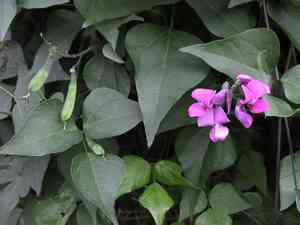
Okie bean flourishes when relocated from the onset of early spring to the peak of late spring, leveraging the temperate seasonal conditions. Select a bright, adequately drained location, and despite its resilience, protect its root system during the transfer for optimal outcomes.
Essential Preparations Before Moving Okie Bean?
Optimal Period for Relocating Okie Bean?
The best time to move your okie bean is from early spring to just before summer. This timeframe allows your okie bean to benefit from rising temperatures and longer daylight hours. This period aligns with the plant's natural growth spurt, promoting better root establishment. A friendly reminder: transplanting during this window gives your okie bean a strong start, leveraging the season's favorable conditions for robust growth.
Required Spacing Between Okie Bean Plants?
When relocating your okie bean, you'll want to provide ample room for development. Aim for a spacing of 18-24 inches (45-60 cm) between them. This ensures sufficient space for them to grow large and strong without competing for nutrients and sunlight.
Ideal Soil Mixture for Okie Bean Relocation?
For your okie bean, you'll need well-draining soil rich in organic material. A suitable foundational fertilizer to incorporate would be a balanced, all-purpose granular or slow-release type. This will help your okie bean get the best start in its new environment!
Where Should You Replant Your Okie Bean?
Your okie bean thrives in sunlight! Locate a garden spot that receives full sun for most of the day. This will be the perfect bright location for your okie bean to flourish and produce beautiful blooms.
Equipment Needed Before Transplanting Okie Bean?
Gardening Gloves
To safeguard your hands while handling soil and the plant.
Shovel or Spade
For excavating the okie bean from its current spot and preparing the new planting hole.
Watering Can or Hose
To hydrate the okie bean before and after transplanting to minimize shock.
Measuring Tape
To ensure correct spacing between the transplanted plants.
Pruning Shears
For trimming any damaged or excess growth prior to replanting.
Wheelbarrow or Garden Cart
For moving the okie bean and soil or compost when necessary.
Garden Fork
To loosen the soil around the plant before removal, if it's being moved from the ground.
Root Pruning Saw
For large root systems, to cleanly cut through roots when extracting the okie bean from the ground.
How to Extract Okie Bean from the Soil?
How to Extract Okie Bean from the Soil?
From Ground: First, thoroughly water the okie bean to moisten the soil, making removal easier. Use a garden fork to loosen the earth around the plant, then dig a wide circle around it with a shovel or spade. Aim to keep the root ball intact and gently work your tool underneath to lift the plant out. From Pot: Begin by watering the okie bean to ensure roots are well-hydrated. Turn the pot sideways and gently tap its sides and bottom to loosen the root ball. Grasp the base of the plant and carefully wiggle it out, supporting the soil and root ball with your other hand. From Seedling Tray: Water the seedlings to facilitate removal. Use a small tool, like a dibber or spoon, to gently pry the soil and lift the seedlings out of their cells, ensuring a good amount of soil remains around the roots.
Step-by-Step Guide for Relocating Okie Bean
Preparation
Gather all necessary tools and ensure your workspace is clear. Prepare the okie bean for relocation by watering it thoroughly and pruning any damaged parts.
Removal
Depending on the okie bean's original location, use the appropriate method from the removal process to extract the plant with its root ball intact.
Transplant Hole
In the chosen new spot, dig a hole as deep as the root ball and twice its width. Loosen the soil at the bottom of the hole with a garden fork.
Placement
Position the okie bean in the center of the hole at the same depth it was previously growing. Backfill the hole with soil, gently firming it around the root ball without heavy compaction.
Watering
After transplanting, water the okie bean generously to settle the soil and eliminate air pockets. This also helps roots make immediate contact with their new soil environment.
Stabilizing
If the okie bean is tall or top-heavy, provide suitable supports like stakes to anchor it and prevent wind damage.
Post-Transplant Care for Okie Bean?
Consistent Watering
After relocating the okie bean, maintaining consistently moist soil is crucial for the plant's establishment. Water deeply and regularly, but avoid letting the plant sit in waterlogged soil.
Mulching
Apply a layer of mulch around the base of the okie bean to retain moisture, regulate soil temperature, and reduce weed competition.
Monitoring
Observe the okie bean for signs of transplant shock, such as wilting or yellowing leaves, and respond accordingly with appropriate care or adjustments.
Protection
In the initial weeks, shield the okie bean from harsh weather conditions like heavy rain, strong winds, or prolonged periods of direct sunlight. Temporary shading or windbreaks can be very beneficial.
Feeding
Wait a few weeks before applying any fertilizer to the newly transplanted okie bean, allowing the roots to recover from transplant stress. Use a balanced, slow-release fertilizer as needed based on general okie bean care.
Addressing Common Issues with Okie Bean Transplantation.
When is the best time to move okie bean?
The ideal time for moving okie bean is from early spring to late spring, when the soil is warm and manageable.
What spacing should I use for okie bean when transplanting?
Space okie bean approximately 18-24 inches (45-60 cm) apart to ensure ample growth room and air circulation.
Which soil conditions are best for okie bean after transplanting?
Select well-draining soil with rich organic matter to keep okie bean healthy post-transplant.
How much sun does okie bean require after transplanting?
Place okie bean in a spot where it can receive full sun to partial shade for optimal development.
What watering schedule is optimal for okie bean post-transplant?
Water okie bean generously after transplanting, then maintain consistent moisture as it establishes roots.
Why is my transplanted okie bean wilting?
Wilting after transplanting may be due to transplant shock; ensure proper soil moisture and initially avoid direct sun.
How deep should I plant okie bean when transplanting?
Transplant okie bean at the same depth it was in its previous pot to prevent stem rot or drying out.
Can okie bean be moved into containers?
Absolutely! Ensure the container is spacious and has adequate drainage holes for healthy okie bean roots.
What if okie bean leaves turn yellow after transplant?
Leaf yellowing might indicate overwatering or nutrient deficiency; adjust watering and consider a balanced fertilizer.
How to safeguard transplanted okie bean from frost?
Use frost cloths or mulch to insulate okie bean if unexpected frost threatens after transplanting.



