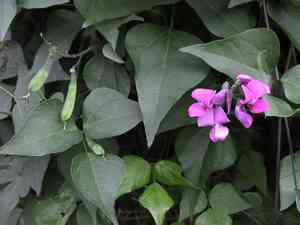
Okie bean (Dipogon lignosus)
Also known as: Australian pea vine, Mile-a-minute vine
Dipogon lignosus, also known as the Okie Bean or Cape Sweet Pea, is a climbing perennial indigenous to South Africa. It thrives near rivers and forest peripheries. Notably, it has become invasive in regions like Australia and New Zealand. Its seed pods can burst open, aiding in seed dispersal, and the seeds have the ability to remain dormant in the soil for multiple years before germinating.
In This Article
Attributes of Okie bean
Lifespan
Perennial
Plant Type
Herb, Vine
Plant Height
2 m
Spread
60 cm
Leaf Color
Green
Flower Size
25 cm
Flower Color
Pink Purple
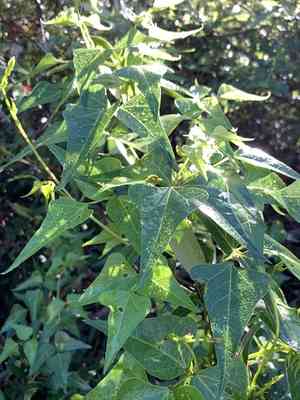
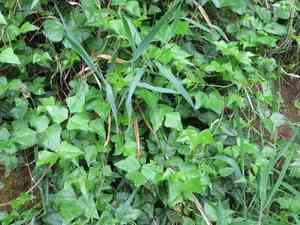
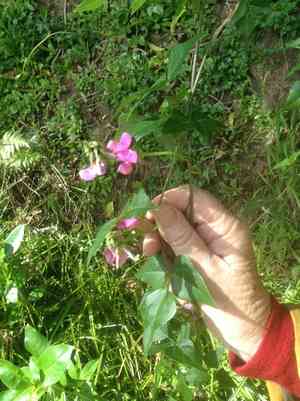
Images of Okie bean
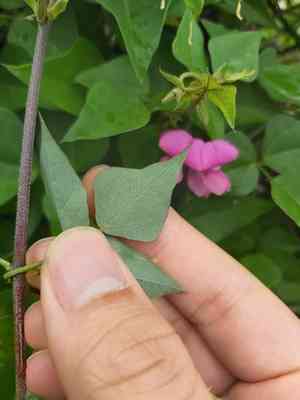
Quickly Identify Okie bean
1
Look for woody stems and trifoliate leaves, each consisting of three leaflets. The flowers are typically pink, purple, or white and grow in clusters. The pods are elongated and contain several seeds. The vine can grow vigorously and may become invasive in suitable climates.
Scientific Classification of Okie bean
Phylum
Vascular plants
Class
Dicotyledons
Order
Fabales
Family
Legume
Genus
Dipogon
Species
Okie bean
Planting and Growing of Okie bean
Care Difficulty
Easy
Watering Schedule
Every 3 days
Sunlight Requirements
Full sun
Sunshine Duration
6-10 hours
Ideal Temperature
60-80℉
Soil Type
Potting Mix, Peat Mix
Soil pH
5.5-7.5
Fertilizer Type
Balanced
Pruning Season
Spring, Summer
Pruning Area
Branches, Leaves
Pruning Frequency
2 times a year
Repotting Season
Spring
Pot Type
Plastic, Ceramic
 How to Water Okie bean?
For Dipogon lignosus, ensure that the soil is consistently moist but not soggy. Watering with about 250 ml per session is typically sufficient, ensuring that the top inch of soil feels moist to the touch. During warmer months, more frequent watering may be necessary.
What are the symptoms of an underwatered Okie bean?
›
What should I do if my Okie bean is not getting enough water?
›
What are the symptoms of an overwatered Okie bean?
›
How to save an overwatered Okie bean?
›
 What Are the Sunlight Requirements for Okie bean?
Full sun or partial sun conditions suit Dipogon lignosus best, supporting its growth and floral display. Ample light ensures stronger, more abundant flowering and healthier foliage.
Where should I position my Dipogon lignosus?
›
Can it thrive in shaded areas?
›
How do I maximize light exposure?
›
 What Is the Ideal Temperature Range for Okie bean?
The ideal temperature range for growing Dipogon lignosus is between 60°F and 80°F. This range ensures optimal growth and flowering, providing the necessary warmth without overheating the plant.
 What Soil is Best for Okie bean?
Ensuring good drainage is crucial for Dipogon lignosus as it prevents root rot and waterlogged conditions, promoting healthy root development and overall plant vigor. This plant thrives in soil enriched with organic matter. Nutrient-rich soils provide essential minerals that support robust growth and vibrant foliage. While the soil should drain well, it should also retain some moisture to sustain the plant between waterings, ensuring consistent hydration for optimal growth.
 How to Fertilize Okie bean?
For Dipogon lignosus, a moderate amount of fertilizer is optimal. Use around half the recommended dose on the package, as this plant is relatively adaptable and can thrive in less nutrient-dense soils. Over-fertilizing can lead to excessive leaf growth at the expense of flowers.
 How to Prune Okie bean?
When pruning Dipogon lignosus, use sharp secateurs or garden shears. This ensures clean cuts that minimize damage to the plant tissue and promote quicker healing. Dull tools can crush the stems, increasing vulnerability to diseases. Inspect the plant to identify any dead, damaged, or overgrown stems. Dead stems will often appear brown or black. Removing these helps increase airflow and light penetration, which is crucial for the plant's overall health. Cut back any excessive growth to maintain the desired shape and size of your Dipogon lignosus. This vine can be very vigorous, so maintain a balance between structure and foliage by selectively removing shoots that disrupt its shape. Try to ensure the canopy remains even and dense by selectively using thinning cuts. This helps avoid leggy growth and maintains a full-looking plant, enhancing its ornamental appearance and flowering potential.
More About Pruning Techniques→
 How to Propagate Okie bean plant?
1
Soak seeds in warm water for 24 hours before planting to encourage germination. This step is essential as it helps soften the seed coat and allows for quicker sprouting.
2
Select healthy, non-flowering stems and cut segments about 10-12 cm long. Remove leaves from the bottom half and dip the cut end in rooting hormone to stimulate root growth.
3
Plant the seeds or cuttings in a well-draining potting mix, keep the soil moist but not waterlogged. Place in a well-lit area but away from direct sunlight to prevent drying out.
 How to Repot Okie bean plant?
1
Dipogon lignosus shows signs of needing a new pot when roots start to poke out from the drainage holes, or the plant's growth seems stunted even with regular care. These indicators suggest that the plant has outgrown its current pot and requires a more spacious home to thrive.
2
Choose a pot that is one size larger than the current one, ensuring it has adequate drainage holes. The extra space will allow roots to expand comfortably, encouraging robust growth. A terracotta pot is an excellent option as it helps regulate moisture, preventing overwatering.
3
Select a well-draining loamy mix to suit the plant's preference for not sitting in water. Adding perlite or coarse sand to the soil ensures good aeration and drainage, which are crucial for preventing root rot and ensuring healthy root development.
Toxicity
Ingestion of seeds or plant parts
WARNING
The judgment on toxicity and danger is for reference only. We DO NOT GUARANTEE any accuracy of such judgment. Therefore, you SHALL NOT rely on such judgment. It is IMPORTANT TO SEEK PROFESSIONAL ADVICE in advance when necessary.
Learn More About Okie bean Diseases
Anthracnose
Bacterial Leaf Spot
Black Spot
Chemical Injury
Crown Gall
Damping-off
Downy Mildew
Drought Stress
Fusarium Wilt
Gray Mold
Leaf Curl
Leaf Spot
Mosaic
Nutrient Deficiency
Nutrient Toxicity
Powdery Mildew
Root Rot
Root-knot Nematode
Rusts
Sooty Mold
Spider Mites
Temperature Stress
Thrips Damage
White Mold



