How to Transplant Black sapote?
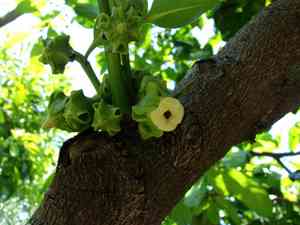
For black sapote, the ideal time for transplanting is from the beginning of spring until the onset of summer, which allows for optimal root development. Choose a location that receives partial shade and has soil that drains effectively. Careful handling is crucial to protect fragile roots, thereby ensuring a smooth transfer.
What Preparations are Needed Before Transplanting Black Sapote?
What is the Ideal Time for Transplanting Black Sapote?
The most favorable period to move black sapote is as winter's chill recedes and spring's warmth emerges. Relocating black sapote during this window allows roots to establish prior to summer's heat. This timing promotes root development within the soil, ensuring vigorous growth and minimizing transplant shock with mild weather.
How Much Space Should You Leave Between Black Sapote Plants?
Before placing your black sapote in its new spot, ensure ample room! Target a spacing of approximately 15-20 feet (4.6-6.1 meters) between them. This provides each black sapote sufficient area for root and branch expansion as it matures.
What is the Best Soil Mix for Black Sapote Transplanting?
Your black sapote thrives in well-draining, fertile soil! Prior to transplanting, enrich the ground with a loamy or sandy loam blend, and apply a balanced, slow-release fertilizer. This nourishing treatment will give your black sapote an excellent start!
Where Should You Relocate Your Black Sapote?
Select a sunny location for your black sapote, where it can receive full to partial sunlight. This means about 6-8 hours of direct sun daily. The correct placement will energize your black sapote for a healthy and productive life ahead!
What Equipments Should You Prepare Before Transplantation Black Sapote?
Gardening Gloves
To shield your hands while handling soil and the plant.
Shovel or Spade
For digging the planting area and lifting the plant from its original spot.
Hand Trowel
For more precise excavation around the plant's root system if necessary.
Watering Can or Hose
To hydrate the black sapote before removal and after replanting.
Pruning Shears
To trim any damaged roots or branches prior to transplanting.
Wheelbarrow
To effortlessly move the black sapote from one place to another.
Stake or Plant Support
To brace the black sapote after transplant until it becomes established.
Measuring Tape
To gauge the root ball and depth when excavating the new hole.
How Do You Remove Black Sapote from the Soil?
How Do You Remove Black Sapote from the Soil?
From Ground: Hydrate the black sapote to moisten the earth. Dig a wide trench around the plant with a shovel or spade, ensuring the plant's root ball stays intact. Carefully work the spade beneath the root ball to lift the plant from its initial position.From Pot: Water the black sapote thoroughly before the transfer. Turn the pot on its side and gently tap to loosen the soil. Grasp the base of the black sapote and carefully pull it out, making sure to keep the soil around the roots.From Seedling Tray: Water the seedlings to make the soil pliable. Use a hand trowel or your fingers to carefully lift the black sapote seedling while preserving its root structure and attached soil.
Step-by-Step Guide for Transplanting Black Sapote
Preparation
Water the black sapote thoroughly the day before transplanting to lessen shock and simplify removal.
Root Ball Care
Use a shovel or spade to carefully dig around the black sapote, ensuring a substantial amount of soil remains with the roots.
Lifting
Gently raise the black sapote from its initial spot, keeping the root ball intact. Use a wheelbarrow for transport if needed.
New Hole
Excavate a hole in the new location roughly twice as wide and the same depth as the root ball to allow roots to spread easily.
Placement
Position the black sapote in the center of the hole. The top of the root ball should be level with the surrounding soil surface.
Filling In
Backfill the hole gently with the excavated soil. Avoid compacting the soil too firmly to ensure proper drainage.
Staking
If the black sapote is tall or in an exposed area, insert a stake into the soil and loosely tie the black sapote to provide support.
Watering
After planting, water the black sapote generously to settle the soil and remove air pockets.
How Do You Care For Black Sapote After Transplanting?
Initial Watering
Establish a watering schedule that keeps the soil consistently moist as the black sapote becomes established.
Mulching
Apply a layer of organic mulch around the base of the black sapote, which will help retain moisture and regulate soil temperature.
Pruning
Trim any broken or damaged branches to encourage healthy growth and reduce stress on the black sapote.
Observation
Frequently monitor the black sapote's health for signs of stress like wilting or leaf drop and adjust care as needed.
Stake Adjustment
Regularly check and adjust ties as the black sapote grows to prevent damage and ensure proper support.
Troubleshooting Common Issues with Black Sapote Transplantation.
What's the ideal time to transplant black sapote?
The best time is during the mild days of early to late spring when temperatures are moderate.
How far apart should I space black sapote saplings?
Aim for ample room between plants, about 15-20 feet (4.5-6 meters), to accommodate their growth.
Why is my black sapote not thriving post-transplant?
Ensure it's not due to insufficient water, poor soil conditions, or damage during relocation.
What should I do if black sapote leaves wilt after transplanting?
Provide consistent moisture without waterlogging the soil, and shield it from intense afternoon sun.
How deep should I plant black sapote in its new location?
The root ball should be level with the soil surface; planting too deep or shallow can stress black sapote.
Can I transplant black sapote during summer or fall?
It's not optimal; stress from heat or cold may hinder establishment. Adhere to the recommended springtime.
How do I prepare the soil for black sapote transplantation?
Incorporate well-composted organic matter to enrich the soil and ensure good drainage.
When can I expect my transplanted black sapote to bear fruit?
Fruiting typically occurs within 3-4 years after transplantation, assuming optimal care and conditions.
Do I need to prune black sapote when transplanting?
Light pruning of damaged or diseased branches can help, but avoid heavy pruning which can stress black sapote.
How can I protect a newly transplanted black sapote from pests?
Monitor regularly for pests, use appropriate organic controls, and maintain plant health to prevent infestations.



