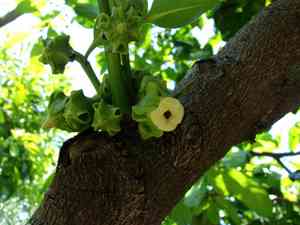
Black sapote (Diospyros nigra)
Also known as: Black soapapple, Zapote prieto
The black sapote tree is commercially cultivated in various tropical regions, including Mexico, the Philippines, the Dominican Republic, Cuba, Central America, and parts of Florida. Its fruit, known for its unique taste reminiscent of chocolate pudding, is usually sold fresh in local markets and can also be found online. Additionally, the fruit is often processed into products like jams, jellies, ice creams, and baked goods.
In This Article
Attributes of Black sapote
Lifespan
Perennial
Plant Type
Tree
Plant Height
25 m
Spread
Can grow as wide as it is tall, typically up to 25 meters
Leaf Color
Green
Flower Size
Approximately 1 to 2 centimeters
Flower Color
White
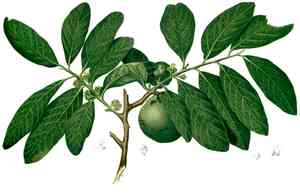
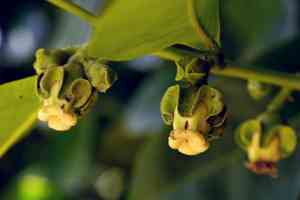
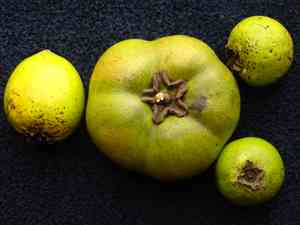
Images of Black sapote
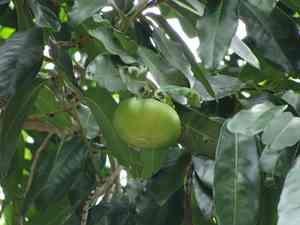
Quickly Identify Black sapote
1
Identify Diospyros nigra by its glossy, dark green leaves, which are oblong and leathery. The plant produces small, green flowers and its fruit is initially green, turning dark brown or black when ripe.
Scientific Classification of Black sapote
Phylum
Vascular plants
Class
Dicotyledons
Order
Heathers and allies
Family
Ebony
Genus
Diospyros
Species
Black sapote
Planting and Growing of Black sapote
Care Difficulty
Hard
Watering Schedule
Every 2 days
Sunlight Requirements
Full sun
Sunshine Duration
4-6 hours
Ideal Temperature
68-85℉
Soil Type
Potting Mix, Peat Mix
Soil pH
6.5-7.5
Fertilizer Type
Balanced
Pruning Season
Spring, Summer
Pruning Area
Branches, Leaves
Pruning Frequency
Once a year
Repotting Season
Spring
Pot Type
Plastic, Terracotta
 How to Water Black sapote?
Diospyros nigra, commonly known as Black Sapote, requires moderate watering. The soil should be kept consistently moist, avoiding both drought and waterlogging. A good rule of thumb is to water until the top 2 inches of the soil is moist but not saturated, which generally translates to approximately 500 milliliters per watering session. This ensures that the plant's roots can access the necessary moisture without the risk of root rot or nutrient-deficient dry spells.
What are the symptoms of an underwatered Black sapote?
›
What should I do if my Black sapote is not getting enough water?
›
What are the symptoms of an overwatered Black sapote?
›
How to save an overwatered Black sapote?
›
 What Are the Sunlight Requirements for Black sapote?
Diospyros nigra thrives ideally in conditions that allow for full sun to partial sun exposure. With the right light, the plant grows vigorously, producing healthy foliage and bountiful fruits.
What is the ideal lighting solution for Diospyros nigra?
›
How to achieve ideal lighting for Diospyros nigra?
›
What benefits does Diospyros nigra get from ideal lighting?
›
 What Is the Ideal Temperature Range for Black sapote?
The ideal temperature range for Diospyros nigra is between 68°F and 85°F. This temperature ensures that the plant receives sufficient warmth for metabolic processes and optimal growth without causing heat stress that could impair its development.
 What Soil is Best for Black sapote?
Black Sapote thrives best in soil that offers excellent drainage, to prevent root rot and other water-related issues. Ensuring the soil is well-draining helps maintain optimal moisture levels for healthy root development. The plant favors soils rich in organic matter, which supplies essential nutrients over time. This enhances the fertility of the soil, supporting robust growth and abundant fruit production. Maintaining a soil pH range from neutral to slightly acidic is crucial for Black Sapote to efficiently absorb nutrients. This balance helps maximize growth and fruiting potential.
 How to Fertilize Black sapote?
When fertilizing Diospyros nigra, apply a balanced liquid fertilizer at a rate of half the recommended dosage on the package for younger plants. Mature plants can tolerate the full strength but no more than that, as it can lead to nutrient burn.
 How to Prune Black sapote?
Begin by locating any branches that appear dead, diseased, or damaged. These should be removed first to prevent the spread of disease and allow the tree to focus its energy on healthy growth. Look for branches that rub against each other and prune them. Crossing branches can create wounds that are susceptible to disease. Choose the stronger, more favorably positioned branch to remain. Prune the tree to maintain an open canopy structure that allows light penetration and air circulation. This not only boosts health but also improves fruit quality by ensuring all parts of the tree receive adequate sunlight.
 How to Propagate Black sapote plant?
1
Select ripe fruits from the tree, remove the seeds, and clean them thoroughly to remove any pulp that could encourage fungal growth.
2
Cut healthy, disease-free branches just below a node. Each cutting should be 4 to 6 inches long and should have at least two leaves.
3
Select a compatible rootstock, cut a simple cleft, and insert the scion. Secure with grafting tape to ensure the scion stays in place.
 How to Repot Black sapote plant?
1
Diospyros nigra needs repotting when roots start circling the pot's edge, signifying they're outgrowing their current container. Another indication is poor soil drainage, causing water to stagnate. Ideally, repot during its active growing seasons—spring or early summer. New growth spurts suggest it's the perfect time, coinciding with its natural expansion cycle.
2
When selecting a pot for Diospyros nigra, aim for one that is 2-3 inches larger in diameter than the current one. The pot should have ample drainage holes to facilitate water escape and prevent root rot. A slightly bigger pot provides space for growth, helping the plant to establish a robust root system while preventing water stagnation.
3
Opt for a well-draining, rich loamy soil that retains enough moisture to support Diospyros nigra's nutrient needs without waterlogging. This soil type strikes a balance by allowing excess water to escape easily, which prevents root diseases while ensuring that the roots receive essential nutrients to thrive.
Learn More About Black sapote Diseases
Anthracnose
Bacterial Leaf Spot
Bacterial Wilt
Black Spot
Chemical Injury
Crown Gall
Damping-off
Downy Mildew
Drought Stress
Fusarium Wilt
Gray Mold
Leaf Curl
Leaf Spot
Mosaic
Nutrient Deficiency
Nutrient Toxicity
Powdery Mildew
Root Rot
Root-knot Nematode
Rusts
Sooty Mold
Spider Mites
Temperature Stress
Thrips Damage
White Mold



