How to Transplant Water yam?
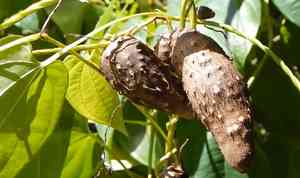
Water yam flourishes when relocated during the ideal window from mid-spring to late spring, since the warming earth encourages root expansion. Select a bright, adequately drained location for peak development. Keep the soil damp but not saturated to guarantee successful rooting.
Essential Preparations Before Relocating Water Yam?
Optimal Timing for Water Yam Relocation?
For water yam, the best time to move them is from mid to late spring. This timing ensures the ground is warm enough, encouraging strong root development and minimizing transplant stress. These conditions lead to more robust growth and better establishment, maximizing water yam's potential for future seasons.
Required Spacing Between Water Yam Plants?
For successful water yam relocation, ensure a spacing of 24-36 inches (60-90 cm) between plants. This provides ample room for their development and nutrient uptake.
Ideal Soil Blend for Water Yam Relocation?
Prepare a well-draining, sandy loam soil enriched with organic matter. Before moving water yam, incorporate a balanced base fertilizer like 10-10-10 to guarantee nutrient-rich soil for improved growth.
Optimal Location for Your Water Yam?
Select a sunny spot for relocating water yam. They require at least 6 hours of direct sunlight daily to flourish and produce strong tubers.
Necessary Equipment Before Water Yam Transplantation?
Gardening Gloves
To safeguard your hands while handling soil and plants.
Shovel or Spade
For excavating the plant from its original spot and preparing the new planting hole.
Trowel
To assist in working around the plant's root system and aiding in the transplant process.
Wheelbarrow
For moving the plant if it is large or heavy.
Watering Can or Hose
To supply water to the plant before and after its relocation.
Organic Mulch
To help maintain moisture around the plant post-transplantation.
How to Extract Water Yam from the Ground?
How to Extract Water Yam from the Ground?
From Ground: First, hydrate the water yam plant to moisten the soil. Next, dig a wide trench around the plant using a shovel or spade, ensuring the plant's root ball remains intact. Carefully work the spade beneath the root ball to lift the plant from its initial location.From Pot: Gently tap the pot's sides to loosen the soil. Place your hand over the plant's base with stems between your fingers and invert the pot. Carefully slide the plant out, aiming to keep as much soil around the roots as possible.From Seedling Tray: Lightly moisten the soil to facilitate seedling removal. Using a trowel or your fingers, carefully lift each water yam seedling, ensuring root support and retaining some surrounding soil.
Detailed Guide for Transplanting Water Yam
Site Preparation
Prepare the new planting site by digging a hole that is twice as wide and the same depth as the water yam's root ball. Ensure the hole is spacious enough to comfortably accommodate the entire root system.
Plant Placement
Position the water yam in the center of the hole, making sure the top of the root ball is level with the surrounding ground. If the plant was in a pot, gently spread its roots within the hole.
Filling the Hole
Fill the hole halfway with soil, then water it to eliminate air pockets. After drainage, fill the remaining hole with soil and gently firm it down to secure the plant.
Watering
Immediately water the newly transplanted water yam thoroughly to help settle the soil and initiate root establishment.
Apply Mulch
Apply a layer of organic mulch around the plant's base, but avoid piling it against the stem. This aids in moisture retention and keeps the roots cool.
Post-Transplanting Care for Water Yam?
Watering
Keep the soil around the water yam consistently moist, but not waterlogged, for the initial few weeks after transplanting to aid in strong root establishment.
Mulching
Maintain a sufficient layer of mulch to conserve moisture and regulate soil temperature.
Monitoring
Regularly check for any indications of transplant shock, such as wilting or yellowing leaves, and take corrective measures if necessary, like adjusting watering frequency.
Supporting Growth
If needed, provide support for your water yam to help it remain upright and stable as its new root system develops.
Resolving Common Water Yam Transplantation Issues.
When is the best time to transplant water yam?
The optimal period for relocating water yam is from mid-spring to late spring.
How far apart should water yam be spaced?
Space water yam 24-36 inches (60-90 cm) apart for ideal growth.
How should I prepare the soil for transplanting water yam?
Improve the soil with compost and ensure good drainage before moving water yam.
What is the recommended depth for planting water yam?
Plant water yam tubers approximately 4-6 inches (10-15 cm) deep in the soil.
How can I prevent transplant shock in water yam?
Water thoroughly and provide shade for the first few days to avoid transplant stress.
What type of soil is best for water yam?
Water yam thrives in well-draining, loamy soil with a pH of 5.5 to 6.5.
Do I need to fertilize water yam after transplanting?
Yes, apply a balanced fertilizer a few weeks after relocating water yam.
How often should water yam be watered after transplanting?
Water water yam regularly, ensuring the soil stays moist but not saturated.
How can I ensure healthy root development in water yam?
Avoid soil compaction and ensure proper spacing for robust root growth.
Should I mulch around water yam after transplanting?
Yes, mulching helps retain moisture and control weeds around water yam.



