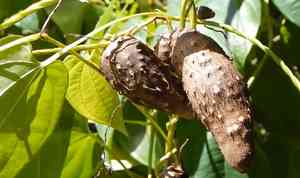
Water yam (Dioscorea alata)
Also known as: Winged yam, Purple yam, Asiatic yam
The tropical vining plant known for its long, slender tubers that can reach up to 6 feet in length is the water yam. This plant is a vital staple crop in numerous nations, offering a significant food resource. Beyond its culinary applications, water yam is also recognized for its medicinal benefits and is packed with complex carbohydrates and essential nutrients.
In This Article
Attributes of Water yam
Lifespan
Perennial
Plant Type
Herb, Vine
Plant Height
6 m to 9 m
Spread
2 m
Leaf Color
Green
Flower Size
Small, less than 1 cm
Flower Color
Greenish
Images of Water yam
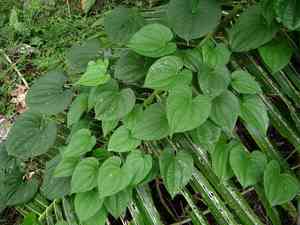
Quickly Identify Water yam
1
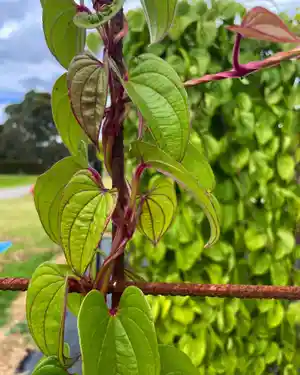
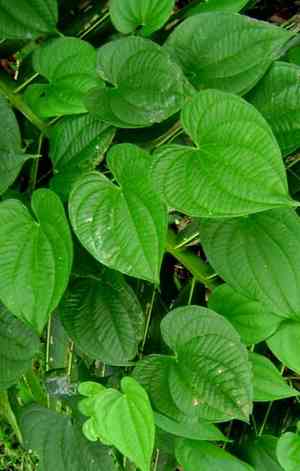
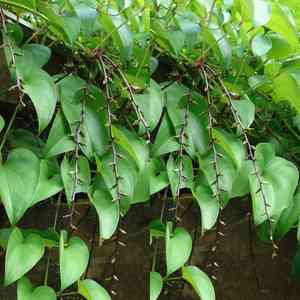
Dioscorea alata can be identified by its large, heart-shaped leaves and large underground tubers. The tubers often have a rough, scaly skin and are typically purple, although they can also be white or yellow. The plant produces small, greenish flowers.
Scientific Classification of Water yam
Phylum
Vascular plants
Class
Monocotyledons
Order
Dioscoreales
Family
Yam
Genus
Dioscorea
Species
Water yam
Planting and Growing of Water yam
Care Difficulty
Moderate
Watering Schedule
Every 4 days
Sunlight Requirements
Partial sun
Sunshine Duration
4-8 hours
Ideal Temperature
77-86℉
Soil Type
Potting Mix, Peat Mix
Soil pH
5.5-7
Fertilizer Type
Balanced
Pruning Season
Spring, Summer
Pruning Area
Branches, Leaves
Pruning Frequency
Once a year
Repotting Season
Spring
Pot Type
Plastic, Ceramic
 How to Water Water yam?
For Dioscorea alata, the watering should be thorough but not excessive, ensuring the soil is moist but not waterlogged. A general rule of thumb is to water until about 500 ml is supplied, allowing the soil to absorb moisture without pooling on the surface.
What are the symptoms of an underwatered Water yam?
›
What should I do if my Water yam is not getting enough water?
›
What are the symptoms of an overwatered Water yam?
›
How to save an overwatered Water yam?
›
 What Are the Sunlight Requirements for Water yam?
Partial sun exposure is ideal for Dioscorea alata, helping it balance growth needs without excess heat exposure. This promotes robust greenery and healthy root systems critical for nutrient absorption and plant vitality.
What are the ideal lighting conditions for Dioscorea alata?
›
How can I ensure that Dioscorea alata receives ideal lighting?
›
What benefits does ideal lighting bring to Dioscorea alata?
›
 What Is the Ideal Temperature Range for Water yam?
The ideal temperature range for growing Dioscorea alata, also known as the purple yam, is between 77°F and 86°F. This range provides optimal conditions for growth, ensuring proper metabolic and photosynthetic functions. In this range, the plant is most likely to achieve robust growth and yield high-quality tubers.
 What Soil is Best for Water yam?
Dioscorea alata thrives in well-draining soil as it prevents waterlogging that could lead to root rot. Proper drainage keeps the roots healthy and facilitates better absorption of nutrients and water, ensuring robust growth. The plant requires soil rich in organic matter. This not only supplies essential nutrients but also supports soil microbial life, enhancing the plant's ability to absorb water and nutrients efficiently. Loose soil structure keeps the soil well-aerated, promoting efficient exchange of gases and root penetration. This is crucial for Dioscorea alata as it leads to healthier root systems and better tuber development.
 How to Fertilize Water yam?
For Dioscorea alata, it's crucial not to over-fertilize. Use a balanced liquid fertilizer diluted to half strength. Apply 25-30 ml per plant per application to avoid nutrient burn.
 How to Prune Water yam?
Always use sharp, sterilized pruning shears. Clean tools prevent the spread of disease between plants and ensure precise cuts that heal quickly. Inspect the plant for any dead or damaged leaves or stems. Trim these away as close to the base as possible to encourage new, healthy growth. To promote a fuller, bushier plant, cut back the tips of young stems. This encourages the growth of lateral shoots, which helps in creating more dense foliage.
 How to Propagate Water yam plant?
1
Cut 8-12 inch segments from healthy, mature vines using sterile pruning shears. Ensure each cutting has at least three nodes for optimal root and shoot development.
2
Dip the cut end of each cutting into rooting hormone powder. This aids in faster rooting and increases the cuttings' chances of survival.
3
Plant each hormone-treated cutting into a well-draining potting mix, covering at least two nodes. Keep the soil consistently moist but not waterlogged.
 How to Repot Water yam plant?
1
Dioscorea alata, commonly known as the water yam, requires repotting when you notice roots emerging from the pot's drainage holes or if the growth seems stunted due to the constrained space. This typically occurs every two to three years. Repot in spring or summer to take advantage of the growing season, aiding recovery and encouraging robust growth.
2
Selecting the right pot is crucial for the healthy growth of Dioscorea alata. Opt for a pot that is about 2 inches larger in diameter than the current one, ensuring sufficient space for tuber expansion. The pot should have drainage holes to prevent waterlogging, which can lead to root rot. A breathable material like terracotta can help in moisture management.
3
A well-draining loamy mix is ideal for repotting Dioscorea alata. The soil should be rich in organic matter to support tuber development while ensuring that excess water drains freely. This prevents root and tuber rot, promotes healthy growth, and enhances nutrient uptake, ensuring a vibrant, flourishing plant.
Learn More About Water yam Diseases
Anthracnose
Bacterial Leaf Spot
Bacterial Soft Rot
Bacterial Wilt
Chemical Injury
Damping-off
Downy Mildew
Drought Stress
Fusarium Wilt
Gray Mold
Leaf Spot
Mosaic
Nutrient Deficiency
Nutrient Toxicity
Powdery Mildew
Root Rot
Root-knot Nematode
Rusts
Sooty Mold
Spider Mites
Temperature Stress
Thrips Damage
White Mold



