How to Transplant Perplexed tick-trefoil?
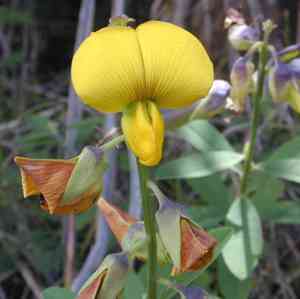
Relocate perplexed tick-trefoil from the beginning to the end of spring, as the plant awakens from its inactive state, for an easier adjustment. Select a location with ample sunlight to partial shade and soil that drains effectively to guarantee proper rooting.
What Preparations are Needed Before Transplanting Perplexed Tick-trefoil?
What is the Ideal Time for Transplanting Perplexed Tick-trefoil?
Moving perplexed tick-trefoil during early to late spring guarantees optimal soil warmth and moisture, aiding root establishment. This period also allows perplexed tick-trefoil to utilize the full growing season, boosting its development and resilience. Early spring relocation minimizes shock and supports strong perennial growth.
How Much Space Should You Leave Between Perplexed Tick-trefoil Plants?
When relocating perplexed tick-trefoil, ensure each plant is spaced 30-36 inches (76-91 cm) apart. This provides ample room for development and promotes proper air circulation, which is vital for maintaining healthy plants.
What is the Best Soil Mix for Perplexed Tick-trefoil Transplanting?
For perplexed tick-trefoil, utilize well-draining soil enriched with organic matter. You can prepare the base by incorporating compost or well-rotted manure into the soil. This supplies essential nutrients and helps maintain soil moisture.
Where Should You Relocate Your Perplexed Tick-trefoil?
Select a site for perplexed tick-trefoil that receives full sunlight for at least 6 hours daily. Adequate sunlight is crucial for the optimal growth of this perennial, ensuring it flourishes and blooms beautifully.
What Equipments Should You Prepare Before Transplantation Perplexed Tick-trefoil?
Gardening Gloves
To safeguard your hands while handling soil and plants.
Shovel or Spade
For excavating around the plant and creating a new planting hole.
Trowel
Ideal for smaller digging tasks.
Pruning Shears
To trim any damaged roots or branches.
Watering Can or Hose
For hydrating the plant before and after relocation.
Mulch
To help retain moisture around the newly transplanted plant.
Bucket or Container
To temporarily hold the plant if moving a longer distance.
How Do You Remove Perplexed Tick-trefoil from the Soil?
How Do You Remove Perplexed Tick-trefoil from the Soil?
From Ground: First, moisten the soil around the perplexed tick-trefoil plant. This facilitates digging and reduces root damage. Dig a wide trench around the plant's base with a shovel or spade, being careful to keep the root ball intact. Gently lift the plant out of the ground using the spade under the root ball. Place the plant in a shaded area or a bucket if replanting will be delayed.From Pot: Begin by thoroughly watering the perplexed tick-trefoil plant to help roots slide out easily. Turn the pot on its side and gently tap the sides to loosen the soil. Carefully slide the plant out, supporting the base and keeping the root ball intact. If root-bound, gently loosen the roots.From Seedling Tray: Water seedlings well before transplanting. Use a trowel or fingers to gently lift seedlings from the tray, supporting the root ball and avoiding damage to delicate stems. For small seedlings, handle them by the leaves, not the stems, to prevent breakage.
Step-by-Step Guide for Transplanting Perplexed Tick-trefoil
Site Preparation
Choose an appropriate location that meets the sunlight and spacing needs for perplexed tick-trefoil. Clear the area of weeds and debris. Dig a hole twice the width and the same depth as the plant's root ball.
Plant Removal
If not already done, follow the detailed removal process from the plant's original spot.
Check the Roots
Inspect the root ball of your perplexed tick-trefoil. Trim any damaged or overly long roots with pruning shears to encourage better growth in the new location.
Plant Placement
Position the perplexed tick-trefoil into the prepared hole. Ensure the top of the root ball is level with or slightly above the surrounding soil to prevent water pooling around the stem.
Backfilling
Gently fill the hole with soil, avoiding large clumps. Lightly tamp down the soil to remove air pockets. Ensure the plant is stable in its new spot.
Watering
Water the plant thoroughly after transplanting to help settle the soil and provide moisture to the roots. Continue to water regularly but avoid waterlogging.
Add Mulch
Apply a layer of mulch around the base of the perplexed tick-trefoil to retain soil moisture and suppress weeds. Keep mulch a few inches away from the stem to prevent rot.
How Do You Care For Perplexed Tick-trefoil After Transplanting?
Watering
Keep the soil around the perplexed tick-trefoil consistently moist, but not saturated, for the first few weeks after transplanting to help establish strong roots.
Monitoring
Regularly check the plant for signs of stress, such as wilting or yellowing leaves, and adjust care as needed.
Protection
Shield the transplanted perplexed tick-trefoil from harsh weather conditions, such as strong winds or intense sunlight, until it becomes established in its new location.
Weeding
Remove any weeds that appear around the base of perplexed tick-trefoil to reduce competition for nutrients and water.
Additional Mulching
Add more mulch as necessary to maintain consistent moisture and prevent weed growth.
Troubleshooting Common Issues with Perplexed Tick-trefoil Transplantation.
When is the best time to transplant perplexed tick-trefoil?
The optimal time to relocate perplexed tick-trefoil is from early to late spring.
How should I space the perplexed tick-trefoil while transplanting?
Space perplexed tick-trefoil plants 30-36 inches (76-91 cm) apart for ideal growth.
How deep should I plant perplexed tick-trefoil during transplanting?
Plant perplexed tick-trefoil at the same depth it was growing in its original spot.
What kind of soil is best for perplexed tick-trefoil transplants?
Well-draining, fertile soil with a neutral to slightly acidic pH is perfect for perplexed tick-trefoil.
How often should I water perplexed tick-trefoil after transplanting?
Water perplexed tick-trefoil thoroughly immediately after transplanting and keep the soil consistently moist, not soggy.
What to do if perplexed tick-trefoil shows signs of transplant shock?
Provide shade and keep the soil moist to help perplexed tick-trefoil recover from transplant shock.
How to prepare perplexed tick-trefoil for transplanting?
Water the plant well and carefully dig around the root ball to minimize damage.
Should I fertilize perplexed tick-trefoil after transplanting?
Wait a few weeks before fertilizing perplexed tick-trefoil to avoid stressing the newly relocated plant.
How to protect perplexed tick-trefoil from pests after transplanting?
Regularly check for pests and use natural or chemical treatments as needed to protect perplexed tick-trefoil.
How to ensure perplexed tick-trefoil thrives after transplanting?
Ensure proper spacing, watering, and sunlight, and avoid waterlogged soil for a thriving perplexed tick-trefoil.



