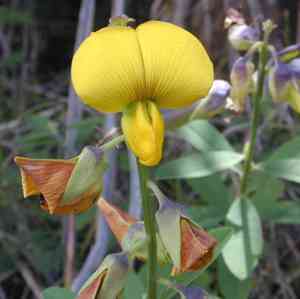
Perplexed tick-trefoil (Desmodium perplexum)
Also known as: Tick Trefoil, Beggar's Lice, Sticktight
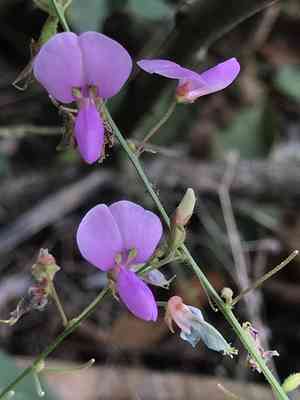
The perplexed tick-trefoil, adorned with blue-purple and pink-red pea-like flowers among smooth-edged dark green leaves, thrives in open woodlands and prairies. It naturally prefers well-drained soils in forested areas. The seeds are a food source for small mammals, birds, and quail, while the plant itself offers excellent ground cover for nesting birds.
In This Article
Attributes of Perplexed tick-trefoil
Lifespan
Perennial
Plant Type
Herb
Plant Height
30-90 cm
Spread
N/A
Leaf Color
Green
Flower Size
0.5-1 cm
Flower Color
White Purple
Images of Perplexed tick-trefoil

Quickly Identify Perplexed tick-trefoil
1
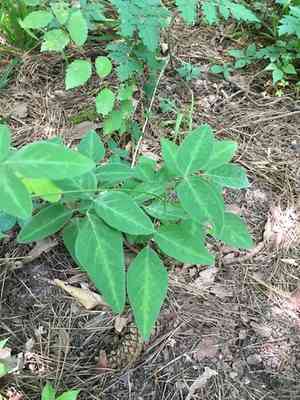
To identify Desmodium perplexum, look for its trifoliate leaves, small pink or purple flowers arranged in racemes, and sticky seed pods that cling to clothing and fur. Additionally, the plant usually has a bushy appearance.
Scientific Classification of Perplexed tick-trefoil
Phylum
Vascular plants
Class
Dicotyledons
Order
Fabales
Family
Legume
Genus
Tick clover
Species
Perplexed tick-trefoil
Planting and Growing of Perplexed tick-trefoil
Care Difficulty
Moderate
Watering Schedule
Every 3 days
Sunlight Requirements
Partial sun
Sunshine Duration
6-10 hours
Ideal Temperature
60-75℉
Soil Type
Potting Mix, Peat Mix
Soil pH
6.5-7.5
Fertilizer Type
Balanced
Pruning Season
Spring, Summer
Pruning Area
Branches, Leaves
Pruning Frequency
2 times a year
Repotting Season
Spring
Pot Type
Plastic, Ceramic
 How to Water Perplexed tick-trefoil?
Desmodium perplexum requires a careful watering approach to thrive. Watering should ensure that the soil is thoroughly moistened but not soaked, allowing for excess to drain away. A volume of around 250 ml is optimal, ensuring moisture reaches the roots without causing waterlogging.
What are the symptoms of an underwatered Perplexed tick-trefoil?
›
What should I do if my Perplexed tick-trefoil is not getting enough water?
›
What are the symptoms of an overwatered Perplexed tick-trefoil?
›
How to save an overwatered Perplexed tick-trefoil?
›
 What Are the Sunlight Requirements for Perplexed tick-trefoil?
Partial sun to full sun exposure is ideal for Desmodium perplexum, promoting healthy growth and vigorous blooming. With the right amount of light, the plant can maximize energy production, enhancing its resistance to pests and ensuring lush foliage.
What is the ideal type of light for Desmodium perplexum?
›
How can I achieve the ideal lighting conditions for Desmodium perplexum?
›
What benefits does Desmodium perplexum gain from ideal lighting?
›
 What Is the Ideal Temperature Range for Perplexed tick-trefoil?
Desmodium perplexum thrives best in temperatures ranging from 60°F to 75°F. This temperature range provides optimal conditions for photosynthesis and nutrient absorption, which is essential for its growth. Maintaining this temperature range helps to promote healthy leaf development and flowering, enhancing the overall vitality of the plant.
 What Soil is Best for Perplexed tick-trefoil?
For optimal growth, Desmodium perplexum prefers soil enriched with organic matter. This nutrient-rich environment encourages robust root development and lush foliage, enhancing the overall vitality of the plant. Ensuring the soil has good drainage properties is essential to prevent root rot, which can be detrimental to Desmodium perplexum. A well-drained soil structure allows the plant to access necessary water while preventing excess moisture accumulation. Soil that retains a moderate amount of moisture supports consistent hydration for Desmodium perplexum. This feature helps maintain steady growth, as the plant can readily absorb water without experiencing drought stress.
 How to Fertilize Perplexed tick-trefoil?
For Desmodium perplexum, use a balanced liquid fertilizer diluted to half strength. Apply 200 ml per plant for liquid fertilizer. For slow-release fertilizer, use around 5 grams per plant, distributed evenly in the soil.
 How to Prune Perplexed tick-trefoil?
To prune Desmodium perplexum, start by removing any dead or diseased branches using clean, sharp scissors or pruning shears. Trim back overgrown stems to maintain the desired size and shape of the plant, cutting just above a leaf node to encourage new growth. Be sure to make clean cuts to avoid damaging the plant.
More About Pruning Techniques→
 How to Propagate Perplexed tick-trefoil plant?
1
Collect mature seeds from the parent plant. Ensure the seeds are dry and free from any pest infestation before storing them in a cool, dry place until sowing.
2
Select healthy stems free from pests or disease. Cut 4-6 inch sections below the node using clean shears. Remove the lower leaves to reduce water loss during propagation.
3
Plant seeds or cuttings into prepared pots with well-draining soil. Water them thoroughly and place them in a location with indirect sunlight until established.
 How to Repot Perplexed tick-trefoil plant?
1
Signs that Desmodium perplexum needs repotting include roots growing out of drainage holes or the plant appears stunted despite proper care. The ideal time for repotting is during its active growing season in spring or early summer when the plant can quickly recover.
2
Select a pot that is one size larger than the current one, ensuring it has adequate drainage holes. A too-large pot can retain excess moisture, leading to root rot, while a properly sized pot supports healthy root growth and balanced moisture retention.
3
Use a well-draining potting mix, ideally one that mimics the plant's natural habitat. A mix that retains some moisture but allows excess to drain prevents root rot and encourages robust growth.
Learn More About Perplexed tick-trefoil Diseases
Anthracnose
Bacterial Leaf Spot
Bacterial Wilt
Crown Gall
Cyst Nematode
Damping-off
Downy Mildew
Drought Stress
Fusarium Wilt
Gray Mold
Leaf Curl
Leaf Spot
Mosaic
Nutrient Deficiency
Nutrient Toxicity
Powdery Mildew
Root Rot
Root-knot Nematode
Rusts
Sooty Mold
Spider Mites
Temperature Stress
Thrips Damage
White Mold



