How to Transplant Hoary tick trefoil?
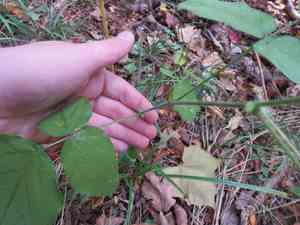
Hoary tick trefoil flourishes when relocated from the nascent period of early spring to the flourishing period of late spring. Select a bright location with adequately draining earth to guarantee a smooth adjustment and vigorous development.
What Preparations are Needed Before Transplanting Hoary Tick Trefoil?
What is the Ideal Time for Transplanting Hoary Tick Trefoil?
The best period for relocating hoary tick trefoil is from early to late spring. This timeframe provides mild temperatures and sufficient rainfall, which promotes root development and growth. Moving hoary tick trefoil during this season allows the plants maximum time to adapt and flourish before summer heat, reducing transplant shock and increasing survival rates.
How Much Space Should You Leave Between Hoary Tick Trefoil Plants?
When transplanting hoary tick trefoil, ensure a spacing of 18-24 inches (45-60 cm) between them. This provides ample room for growth without competition for resources. A bit of extra space also aids air circulation, helping to prevent disease.
What is the Best Soil Mix for Hoary Tick Trefoil Transplanting?
Prepare well-draining soil enriched with compost or organic matter. Hoary tick trefoil thrives in loamy soil. You can also incorporate a balanced base fertilizer, such as 10-10-10 (N-P-K), to provide a nutritional boost!
Where Should You Relocate Your Hoary Tick Trefoil?
Select a sunny spot for transplanting hoary tick trefoil. They prefer full sun, meaning they require at least 6-8 hours of direct sunlight daily. Some afternoon shade can also be beneficial in hotter climates.
What Equipments Should You Prepare Before Transplantation Hoary Tick Trefoil?
Gardening Gloves
To safeguard your hands while handling soil and plants.
Shovel or Spade
For digging the planting hole and extracting the plant from its original spot.
Hand Trowel
Used for excavating smaller holes and working around the root ball.
Watering Can or Hose
To irrigate the plant after it has been transplanted.
Gardening Fork
To gently loosen the soil surrounding the plant in its initial location.
Transplanting Fertilizer
To supply nutrients and help alleviate transplant shock.
Mulch
To retain moisture and regulate soil temperature around the newly transplanted specimen.
How Do You Remove Hoary Tick Trefoil from the Soil?
How Do You Remove Hoary Tick Trefoil from the Soil?
From Ground: First, moisten the hoary tick trefoil plant to dampen the soil. Then, using a shovel or spade, dig a wide trench around the plant, ensuring the root ball remains intact. Carefully work the spade beneath the root ball to lift the plant from its original position.From Pot: Gently water the hoary tick trefoil plant in its container to loosen the soil. Hold the plant's base and tilt the pot sideways, carefully easing the plant out. If the plant is root-bound, gently separate the roots with your fingers.From Seedling Tray: Water the seedlings before transplanting to facilitate removal. Use a hand trowel to carefully lift each hoary tick trefoil seedling, taking care to keep the root system undamaged. Handle the seedlings by their leaves, not their delicate stems.
Step-by-Step Guide for Transplanting Hoary Tick Trefoil
Site Preparation
Ensure your chosen planting spot meets the sunlight and spacing needs of hoary tick trefoil. Clear the area of any weeds and debris.
Digging the Hole
Excavate a hole that is twice the width and the same depth as the hoary tick trefoil plant's root ball. This allows roots to spread easily.
Amending the Soil
If necessary, enrich the soil with organic compost or transplanting fertilizer to improve soil structure and provide nutrients.
Placing the Plant
Carefully lower the hoary tick trefoil plant into the hole. Ensure the top of the root ball is level with the surrounding soil to avoid planting too deep or too shallow.
Backfilling and Firming
Refill the hole with the excavated soil, gently pressing down to remove air pockets. Be careful not to over-compact the soil.
Watering
Thoroughly water the newly transplanted hoary tick trefoil plant to help settle the soil and establish good root-to-soil contact.
Mulching
Apply a layer of mulch around the hoary tick trefoil plant, keeping it a few inches away from the stem to prevent rot. This helps retain moisture and suppress weeds.
How Do You Care For Hoary Tick Trefoil After Transplanting?
Watering
Keep the soil around the hoary tick trefoil consistently moist, but not waterlogged, for the initial weeks after transplanting to aid in strong root establishment.
Monitoring
Frequently check the hoary tick trefoil plant for signs of stress, such as wilting or yellowing leaves, and adjust care as needed.
Protecting
If there's a risk of frost or extreme weather, cover the hoary tick trefoil plant with a cloth or garden cloche for protection.
Feeding
Avoid fertilizing immediately after transplanting. Wait a few weeks for the hoary tick trefoil plant to recover, then apply a balanced fertilizer to encourage healthy growth.
Troubleshooting Common Issues with Hoary Tick Trefoil Transplantation.
When is the best time to transplant hoary tick trefoil?
Relocate hoary tick trefoil from early spring to late spring for optimal growth and root establishment.
How much space should I leave between hoary tick trefoil plants?
Space hoary tick trefoil plants 18-24 inches (45-60 cm) apart to ensure proper air circulation and growth.
What type of soil is ideal for hoary tick trefoil?
Hoary tick trefoil thrives in well-drained soil with a neutral pH. Improve poor soil with organic matter.
How do I prepare the soil for transplanting hoary tick trefoil?
Loosen the soil and mix in compost or organic matter to enhance nutrient content before planting hoary tick trefoil.
What should I do if hoary tick trefoil wilts after transplanting?
Ensure hoary tick trefoil is watered thoroughly after transplanting. Wilting often indicates a need for more water.
How deep should I plant hoary tick trefoil seedlings?
Plant hoary tick trefoil seedlings at the same depth they were in their original containers to avoid stress.
What are the common pests that affect hoary tick trefoil during transplanting?
Watch for aphids and spider mites, which can attack hoary tick trefoil. Use insecticidal soap to manage them.
How often should I water hoary tick trefoil after transplanting?
Water hoary tick trefoil thoroughly after transplanting, then keep the soil moist but not waterlogged during establishment.
How can I protect hoary tick trefoil from transplant shock?
Water hoary tick trefoil well, mulch around the base, and avoid fertilizing immediately to minimize transplant shock.
What should I do if hoary tick trefoil shows yellowing leaves?
Yellowing leaves on hoary tick trefoil can indicate overwatering or nutrient deficiency. Check soil moisture and adjust care accordingly.



