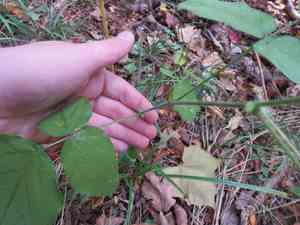
Hoary tick trefoil (Desmodium canescens)
Also known as: Hoary tick-trefoil, Beggar's lice
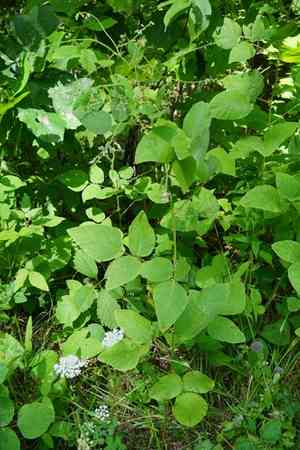
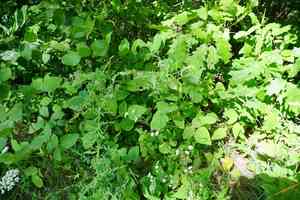
Hoary tick trefoil is a perennial plant with distinct gray-green, trifoliate leaves and a bushy growth form. It flourishes in open woodlands, partly due to its ability to fix nitrogen, which enhances soil quality. This plant produces small, purple or pink flowers that turn into jointed seed pods, facilitating effective seed dispersal. Its deep roots help it access water and nutrients, and its adaptability to different light and soil conditions ensures its resilience and spread in these environments.
In This Article
Attributes of Hoary tick trefoil
Lifespan
Perennial
Plant Type
Herb
Plant Height
50-100 cm
Spread
Varies, typically not measured for this species
Leaf Color
Green
Flower Size
Approximately 1 cm
Flower Color
White Pink Purple
Images of Hoary tick trefoil
Quickly Identify Hoary tick trefoil
1
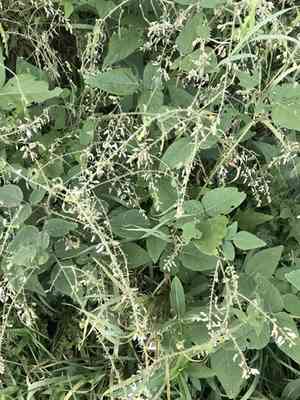
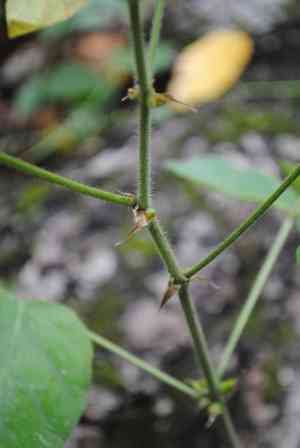
Identify Desmodium canescens by its trifoliate leaves, which are covered with fine hairs, and its pink to purple flowers arranged in clusters. The plant also has sticky pods that attach to animals and clothing.
Scientific Classification of Hoary tick trefoil
Phylum
Vascular plants
Class
Dicotyledons
Order
Fabales
Family
Legume
Genus
Tick clover
Species
Hoary tick trefoil
Planting and Growing of Hoary tick trefoil
Care Difficulty
Easy
Watering Schedule
Every 3 days
Sunlight Requirements
Partial sun
Sunshine Duration
4-8 hours
Ideal Temperature
68-77℉
Soil Type
Potting Mix, Peat Mix
Soil pH
6.5-7.5
Fertilizer Type
Balanced
Pruning Season
Spring, Summer
Pruning Area
Branches, Leaves
Pruning Frequency
2 times a year
Repotting Season
Spring
Pot Type
Plastic, Terracotta
 How to Water Hoary tick trefoil?
Desmodium canescens requires moderate watering. Ensure that the soil remains moist but not waterlogged. When watering, aim for about 500ml per session, which should be enough to moisten the upper layers of the soil thoroughly without creating standing water.
What are the symptoms of an underwatered Hoary tick trefoil?
›
What should I do if my Hoary tick trefoil is not getting enough water?
›
What are the symptoms of an overwatered Hoary tick trefoil?
›
How to save an overwatered Hoary tick trefoil?
›
 What Are the Sunlight Requirements for Hoary tick trefoil?
Partial sun offers a balance of sufficient light and protection from harsh rays. Ideal lighting fosters strong growth, lush foliage, and more abundant flowering of Desmodium canescens.
Where should Desmodium canescens be placed?
›
How can you ensure the plant gets enough light indoors?
›
What's the benefit of providing ideal lighting for Desmodium canescens?
›
 What Is the Ideal Temperature Range for Hoary tick trefoil?
For optimal growth of Desmodium canescens, it is essential to maintain temperatures between 68°F to 77°F. This range offers the plant sufficient warmth to facilitate photosynthesis and nutrient absorption effectively. Within these limits, the metabolic processes of the plant thrive, supporting lush foliage and robust growth.
 What Soil is Best for Hoary tick trefoil?
Desmodium canescens thrives best in well-drained soils that prevent waterlogging. This condition allows roots to breathe and absorb nutrients efficiently, enhancing the plant's overall growth and resilience. A soil rich in organic matter provides the essential nutrients needed for Desmodium canescens. This nutrient-rich environment supports vigorous growth, leading to a robust plant with lush foliage. While Desmodium canescens can tolerate some drought, it prefers soils with moderate moisture. Regular watering during dry spells ensures sustained growth and flowering, maximizing its aesthetic appeal.
 How to Fertilize Hoary tick trefoil?
For Desmodium canescens, a balanced approach to fertilizing is key. Use approximately 1 tablespoon of liquid fertilizer for younger plants and 2 tablespoons for mature plants, ensuring you don't overdo it.
 How to Prune Hoary tick trefoil?
Begin by assessing the plant's overall health. Look for any diseased, dead, or damaged stems and remove them first, cutting back to healthy tissue. Trim back unruly shoots to maintain a balanced shape. Aim to keep the plant looking natural by slightly trimming all over rather than taking large sections off at once. Encourage airflow by thinning out dense areas. This not only helps reduce the chance of fungal infections but also allows more sunlight to reach lower parts of the plant.
More About Pruning Techniques→
 How to Propagate Hoary tick trefoil plant?
1
Begin by collecting mature seeds from healthy Desmodium canescens plants. Sow them in seedling trays with a light, well-draining soil mix. Cover lightly with soil to a depth of about twice the seed diameter and water gently.
2
Select a healthy, non-flowering stem for cuttings. Using sharp, clean pruning shears, cut a section approximately 4-6 inches long. Remove the leaves from the bottom half to prepare for planting.
3
Plant the prepared cuttings into a pot filled with a sterile rooting medium like perlite or vermiculite. Ensure that at least two nodes are buried underground. Mist the cuttings to maintain humidity and avoid direct sunlight initially.
 How to Repot Hoary tick trefoil plant?
1
Desmodium canescens signals it needs repotting when you notice stunted growth, roots growing out of the drainage holes, or the soil dries out too quickly after watering. These signs indicate that the plant has outgrown its container and requires more space to establish thriving roots.
2
Choose a pot that is 1-2 inches larger in diameter than the current one, featuring ample drainage holes. This helps in preventing waterlogging while providing sufficient space for root expansion. A pot with good breathability is ideal as it ensures a well-aerated root environment, crucial for the plant's health.
3
Opt for a well-draining loamy soil mix, rich in organic matter. Desmodium canescens thrives in such soil conditions as it retains necessary moisture while allowing excess water to drain efficiently. This reduces the risk of root rot and provides the plant with essential nutrients for healthy growth.



