How to Transplant San pedro ticktrefoil?
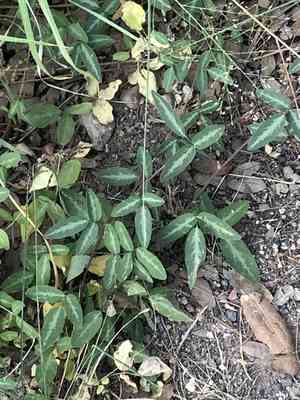
San pedro ticktrefoil flourishes when relocated in the revitalizing months of early to mid-spring or the dormant stage of early to late winter, preferring moderate to ample sunlight. Guarantee permeable soil for optimal growth.
What Preparations are Needed Before Transplanting San Pedro Ticktrefoil?
What is the Ideal Time for Transplanting San Pedro Ticktrefoil?
Moving san pedro ticktrefoil in early to mid-spring or from early to late winter maximizes its chances of thriving. The mild temperatures and increasing daylight during these periods minimize transplant shock and promote root growth. This timing allows the perennial to fully utilize the growing season, ensuring strong development and resilience.
How Much Space Should You Leave Between San Pedro Ticktrefoil Plants?
When relocating san pedro ticktrefoil, ensure plants are spaced 18-24 inches (45-60 cm) apart. This provides ample room for healthy development and guarantees proper air circulation.
What is the Best Soil Mix for San Pedro Ticktrefoil Transplanting?
For san pedro ticktrefoil, prepare a well-draining sandy or loamy soil. Enhance the existing soil with a balanced fertilizer, such as 10-10-10 (N-P-K), to supply all necessary nutrients for vigorous growth.
Where Should You Relocate Your San Pedro Ticktrefoil?
Ensure the new location for san pedro ticktrefoil receives full sunlight or partial shade. Full sun encourages robust growth, but some afternoon shade can be beneficial, especially in hotter climates.
What Equipments Should You Prepare Before Transplantation San Pedro Ticktrefoil?
Gardening Gloves
To safeguard your hands while handling soil and plants.
Shovel or Spade
For excavating the plant and preparing its new planting spot.
Watering Can or Hose
To hydrate the plant before and after its relocation.
Garden Trowel
For more precise digging, particularly useful for potted plants or seedlings.
Bucket or Wheelbarrow
To move the plant if it is heavy or large.
Pruning Shears
To trim any damaged or overgrown roots.
How Do You Remove San Pedro Ticktrefoil from the Soil?
How Do You Remove San Pedro Ticktrefoil from the Soil?
From Ground: First, moisten the san pedro ticktrefoil's soil. Then, dig a wide trench around the plant with a shovel or spade, keeping the root ball intact. Carefully work the spade beneath the root ball to lift the plant from its original spot.From Pot: Water the pot thoroughly to soften the soil. Gently turn the pot on its side and tap the bottom to loosen the plant. Carefully ease the plant out, ensuring the root ball remains whole.From Seedling Tray: Lightly water the seedlings to facilitate removal. Use a garden trowel or your fingers to gently lift each seedling, making sure to keep the roots and surrounding soil intact.
Step-by-Step Guide for Transplanting San Pedro Ticktrefoil
Prepare the Planting Site
Ensure the new spot is ready before moving the plant. Dig a hole twice the width and the same depth as the san pedro ticktrefoil's root ball.
Remove the Plant
Refer to the specific removal method based on the san pedro ticktrefoil's original location.
Inspect the Root Ball
Examine the root ball for any damaged or circling roots. Trim them with pruning shears before planting.
Transplant the san pedro ticktrefoil
Place the san pedro ticktrefoil in the prepared hole, ensuring the top of the root ball is level with the ground. Fill the hole with soil, gently compacting it to remove air pockets.
Water
Thoroughly water the san pedro ticktrefoil to help settle the soil around the roots and minimize transplant shock.
Mulch (Optional)
Apply a layer of mulch around the plant's base to help retain moisture and suppress weeds, being careful not to cover the stem.
How Do You Care For San Pedro Ticktrefoil After Transplanting?
Watering
Keep the soil around the san pedro ticktrefoil consistently moist, but not waterlogged, for the first few weeks post-transplant to aid in root establishment.
Monitoring
Regularly check the san pedro ticktrefoil for signs of stress like wilting or yellowing leaves, and adjust care as needed.
Support
For taller san pedro ticktrefoil, consider providing stakes or other supports to help them remain upright during their establishment phase.
Pruning
Trim any dead or damaged foliage to help the plant direct its energy towards new growth.
Troubleshooting Common Issues with San Pedro Ticktrefoil Transplantation.
When is the ideal time to transplant san pedro ticktrefoil?
Relocate san pedro ticktrefoil in early to mid-spring or early to late winter for optimal results.
How far apart should I space san pedro ticktrefoil plants?
Space san pedro ticktrefoil plants 18-24 inches (45-60 cm) apart to allow for ideal growth.
How should I prepare the soil for transplanting san pedro ticktrefoil?
Ensure well-draining soil, rich in organic matter, to support healthy root development for san pedro ticktrefoil.
What should I do if san pedro ticktrefoil shows signs of transplant shock?
Water thoroughly and provide shade until san pedro ticktrefoil recovers from transplant shock.
How deep should I plant san pedro ticktrefoil during transplanting?
Plant san pedro ticktrefoil at the same depth it was growing previously to avoid stress.
What should the soil pH be for healthy san pedro ticktrefoil growth?
Maintain a soil pH of 6.0-7.0 to ensure optimal nutrient uptake for san pedro ticktrefoil.
How often should I water san pedro ticktrefoil after transplanting?
Water san pedro ticktrefoil consistently but avoid waterlogging the soil, particularly in the first few weeks.
What temperature conditions are ideal for transplanting san pedro ticktrefoil?
Transplant san pedro ticktrefoil when temperatures are cool and moderate, between 40°F-60°F (4°C-15°C).
Should I use fertilizers after transplanting san pedro ticktrefoil?
Apply a balanced, slow-release fertilizer a few weeks after transplanting san pedro ticktrefoil for support.
How can I protect san pedro ticktrefoil from pests after transplanting?
Use natural pest repellents and regularly inspect san pedro ticktrefoil to keep pests at bay.



