How to Prune San pedro ticktrefoil?
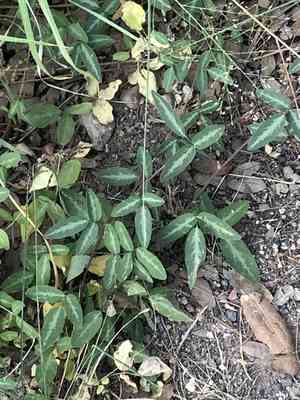
San pedro ticktrefoil features spreading tendrils and leaves composed of three leaflets. Perform trimming in the initial part of spring or the latter part of winter, prior to the emergence of fresh shoots. This schedule guarantees vigorous regeneration and preserves its form. Trim away any impaired or excessively dense stalks, prioritizing the elimination of older, less fruitful development. Trimming improves air movement and light exposure, thereby lowering the likelihood of illness. Always employ sanitized, keen implements to execute accurate incisions, fostering a sturdy, more thriving specimen.
What Are the Benefits of Pruning San Pedro Ticktrefoil?
What Are the Benefits of Pruning San Pedro Ticktrefoil?
San pedro ticktrefoil gains from trimming through enhanced form and regulated development. This method promotes robust new growth, disease resistance, and improved air circulation, leading to a healthier plant overall. Pruning also boosts blooming, which is crucial for its reproduction and visual appeal.
What Is the Best Time for Pruning San Pedro Ticktrefoil?
What Is the Best Time for Pruning San Pedro Ticktrefoil?
Trimming san pedro ticktrefoil in early spring or late winter is optimal as it aligns with the plant's dormant phase or just before its active growth period begins. Performing pruning during these seasons helps minimize stress and potential harm to the plant, allowing it to focus energy on new growth and recovery. Additionally, cutting at this time can enhance flowering and overall plant health by removing dead or damaged branches before the active growing season commences.
What Tools Do I Need to Prune San Pedro Ticktrefoil?
Bypass Pruners
Perfect for making precise cuts on stems and small branches of san pedro ticktrefoil, which minimizes harm to the plant tissue and encourages healthy regrowth.
Lopping Shears
Useful for cutting through thicker branches of san pedro ticktrefoil that may be tougher or higher up, offering greater leverage and ease of use.
Hand Pruning Saw
Essential for removing larger, older, or dead branches of san pedro ticktrefoil without causing excessive damage to the plant.
How to Prune San Pedro Ticktrefoil
Identify
Identify diseased leaves showing signs of discoloration, spots, or unusual textures, as well as withered leaves that are dry and visibly dead.
Sanitize
Sanitize your pruning tools with rubbing alcohol or a bleach solution to prevent the spread of disease.
Trim
Trim the diseased leaves by cutting them off at their base, close to the stem, but avoiding any unnecessary damage to the healthy parts of san pedro ticktrefoil.
Remove
Remove all withered leaves by grasping them close to the stem and snipping them off cleanly, ensuring not to pull on the plant to avoid additional stress.
Dispose
Dispose of the trimmed diseased and withered leaves away from san pedro ticktrefoil and your garden area to prevent potential contamination.
Common Pruning Mistakes with San Pedro Ticktrefoil
Pruning too much
Removing an excessive amount of san pedro ticktrefoil at once can stress the plant, reducing its ability to recover. Over-pruning can inhibit growth and flowering.
Incorrect technique
Using dull or unclean tools can damage the plant tissues, making san pedro ticktrefoil more susceptible to diseases. Improper cutting angles can also harm the plant.
Ignoring damaged or dead wood
Failing to remove dead or diseased branches can spread infections and pests throughout san pedro ticktrefoil, compromising its health.
Improper wound treatment
Not applying wound dressing (if culturally appropriate) or leaving large cuts untreated can expose san pedro ticktrefoil to pathogens and pests.
Pruning at the wrong place
Cutting too close to the main stem or leaving long stubs can affect the plant's ability to heal and may lead to dieback in san pedro ticktrefoil.
Common Pruning Tips for San Pedro Ticktrefoil
Use sharp and clean tools
Always use sharp and sanitized pruning shears or loppers to make clean cuts on san pedro ticktrefoil, reducing the risk of infection and promoting quicker healing.
Assess the plant first
Examine san pedro ticktrefoil for dead, damaged, or diseased branches before pruning. This helps identify areas that need immediate attention.
Prune to shape and aerate
Trim branches to maintain a desirable shape and to improve air circulation within san pedro ticktrefoil. This helps reduce disease risk and promotes even growth.
Cut at the right angle
Make cuts at a 45-degree angle, slightly above a bud or branch junction. This ensures proper water runoff and reduces the likelihood of rot in san pedro ticktrefoil.
Monitor pruning frequency
Regularly check san pedro ticktrefoil but prune judiciously. Frequent, minor pruning is preferable to major overhauls, which can stress the plant.



