How to Transplant Flixweed?
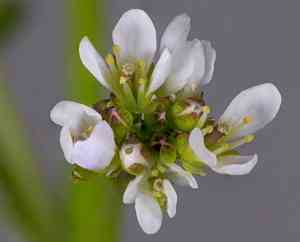
Relocating flixweed, preferably during the invigorating period from early spring's awakening to its gentle middle, guarantees vigorous development. Select a brightly lit spot with adequately draining earth to establish the flixweed's new root system. Bear in mind: careful manipulation fosters thriving.
What Preparations are Needed Before Transplanting Flixweed?
What is the Ideal Time for Transplanting Flixweed?
Choose the revitalizing period of early to mid-spring for relocating flixweed. This timing leverages the increasing warmth and optimal soil moisture, enhancing flixweed's root establishment. Moving flixweed during this window aligns with its growth cycle, fostering strong development. Flixweed flourishes best when settled during this season of renewal, ensuring a successful move to its new home.
How Much Space Should You Leave Between Flixweed Plants?
When transplanting flixweed, aim to provide each plant sufficient room to thrive. Ideally, space them 4-6 inches apart (10-15 cm). This allows ample space for growth while ensuring a lush, full garden area.
What is the Best Soil Mix for Flixweed Transplanting?
Prepare a welcoming bed for flixweed by selecting well-draining soil. Before transplanting, enrich your soil with a balanced, all-purpose fertilizer to give flixweed a nutritious start. This helps your flixweed develop strong roots for vigorous growth.
Where Should You Relocate Your Flixweed?
Select a sunny location for your flixweed as these plants enjoy basking in sunlight. A spot receiving full sun to partial shade will offer the perfect balance for flixweed to flourish. Ensure the area is well-lit, receiving several hours of sunlight daily.
What Equipments Should You Prepare Before Transplantation Flixweed?
Gardening Gloves
To safeguard your hands while handling soil and plants.
Shovel or Spade
For excavating the plant and preparing the new planting site.
Watering Can or Hose
To hydrate the plant before and after relocation.
Garden Trowel
For more precise work around roots or digging smaller holes.
Pruners or Sharp Knife
To trim any damaged roots or foliage.
Measuring Tape
For accurate spacing between transplanted specimens.
Wheelbarrow or Garden Cart
To transport the plant and soil if necessary.
Rooting Hormone (optional)
To stimulate root development in flixweed.
How Do You Remove Flixweed from the Soil?
How Do You Remove Flixweed from the Soil?
From Ground: First, water the flixweed plant to moisten the soil, making it easier to manage. Next, dig a wide circle around the plant with a shovel or spade, being careful not to cut through the root ball. Gently pry the plant free by leveraging the spade under the root system, minimizing root damage.From Pot: Begin by thoroughly watering the flixweed to facilitate removal. Tilt the pot sideways and gently tap its sides to loosen the soil. Grasp the plant's base, or if the pot is large, roll it on its side and carefully ease the root ball out, supporting it with your hands. Avoid pulling directly on the stem.From Seedling Tray: Gently water the seedlings to prevent disturbing the roots. Use a garden trowel or a fork to lift each flixweed seedling from its cell, handling seedlings by their leaves rather than their delicate stems to reduce the risk of injury.
Step-by-Step Guide for Transplanting Flixweed
Prepare the New Location
Dig a hole twice the width of the flixweed's root ball, and equally deep. This allows the roots to spread more easily.
Inspect the Roots
Examine the root ball and trim any damaged or circling roots with clean pruners or a knife to encourage outward growth.
Position flixweed
Place the flixweed in the center of the hole at the same depth it was in the original location. Ensure that the plant stands upright and straight.
Refill the Hole
Carefully backfill the hole with the original soil, gently tamping down around the roots to remove air pockets. You can also add compost or well-rotted manure to enrich the backfill if necessary.
Water Generously
Once flixweed is in place, water it thoroughly to settle the soil and hydrate the roots. If you're using a rooting hormone, follow the application instructions provided with the product.
Staking (if required)
If the flixweed plant is tall or in a windy location, stake the plant to provide support. Use soft ties to secure the plant to the stake without damaging the stem.
How Do You Care For Flixweed After Transplanting?
Stabilizing
Ensure flixweed is stable in its new location, and reposition it if necessary after the initial watering has settled the soil.
Mulching
Apply a 2-3 inch layer of mulch around the base of the flixweed, keeping it away from the stem to help retain soil moisture and prevent weed competition.
Monitoring
Observe the plant for signs of stress, such as wilting or yellowing leaves, and address issues as they arise with appropriate measures.
Pruning
Trim any dead or damaged foliage to direct the flixweed's energy into establishing its roots and new growth.
Feeding
After a few weeks, once flixweed has had time to settle, you can apply a balanced liquid fertilizer to promote healthy growth, following the package instructions for application rates and frequency.
Troubleshooting Common Issues with Flixweed Transplantation.
Why is my flixweed not thriving after transplant?
Ensure it was moved during the ideal window: early to mid-spring. Also, check for proper soil moisture and avoid over-fertilizing which can stress the plant.
What's the best way to ensure flixweed survives transplanting?
Transplant flixweed on a cloudy day or in the evening to reduce transplant shock and keep the roots moist during the process.
How deep should I plant flixweed when transplanting?
Plant flixweed at the same depth it was growing previously, ensuring the root collar is at soil level.
What spacing distance is ideal for flixweed when transplanting?
Space flixweed at intervals of 4-6 inches (10-15 cm) to allow ample room for growth and adequate air circulation.
How much should I water flixweed after transplanting?
Water generously after transplanting to settle the soil around the roots and continue with regular watering until established.
Is there a specific soil type preferred for transplanting flixweed?
A well-draining soil amended with compost will help flixweed establish more effectively post-transplant.
When is the right time of day to transplant flixweed?
The best time for transplanting flixweed is late afternoon or on a cloudy day to prevent immediate sun exposure.
How can I tell if flixweed is ready to be transplanted?
Look for a robust root system and when the plant has acclimated to outside temperatures if started indoors.
Should I prune flixweed before or after transplanting?
Minimal pruning may be necessary before transplanting to remove any damaged or diseased foliage, encouraging healthy growth.
What should I do if flixweed shows signs of transplant shock?
Keep the soil evenly moist, provide shade if necessary and avoid fertilizers until signs of new growth indicate recovery.



