
Flixweed (Descurainia sophia)
Also known as: Fine-leaved tansy-mustard
Flixweed (Descurainia sophia), originally from Asia, poses significant control challenges in non-native regions, including the Americas. This invasive plant is notorious for its prolific seed production, with seeds that disperse easily even with minimal disturbance, leading to widespread colonization. Flixweed thrives in a variety of harsh environments, including gravel piles and sterilized soils, where few other plants can survive. This adaptability allows it to outcompete local vegetation and persist in disturbed areas, making management and eradication particularly difficult.
Attributes of Flixweed
Images of Flixweed
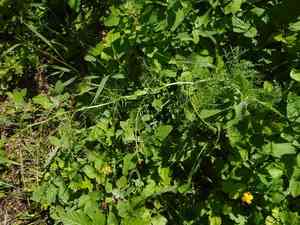
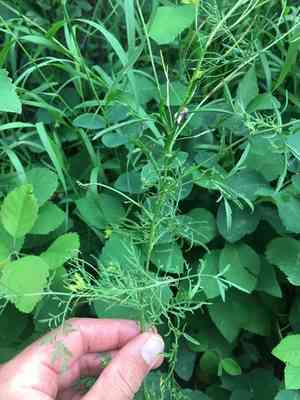
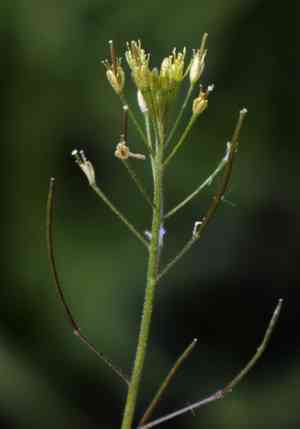
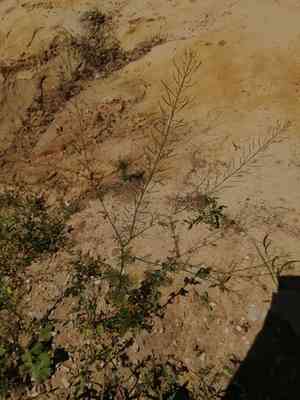
Quickly Identify Flixweed
Scientific Classification of Flixweed
Planting and Growing of Flixweed
 How to Water Flixweed?
 What Are the Sunlight Requirements for Flixweed?
 What Is the Ideal Temperature Range for Flixweed?
 What Soil is Best for Flixweed?
 How to Fertilize Flixweed?
 How to Prune Flixweed?
 How to Propagate Flixweed plant?
 How to Repot Flixweed plant?
Toxicity of Flixweed
Is Flixweed toxic to humans?
Flixweed exhibits a moderate level of toxicity in humans, with the entire plant posing a risk of poisoning if ingested. When individuals consume any part of flixweed, they may experience a variety of symptoms that reflect its toxic qualities. Such symptoms may include gastrointestinal issues like nausea, vomiting, and diarrhea, alongside potential neurological effects such as headaches, dizziness, or even confusion. The intensity of these symptoms can fluctuate based on the amount of the plant consumed. It is crucial for individuals to recognize the dangers related to flixweed and to prevent unintended ingestion, as every part of the plant contains compounds that contribute to its toxicity.
Is Flixweed toxic to cat?
Flixweed is recognized as possessing a moderate level of toxicity for cats, posing a risk of harm if consumed. If felines inadvertently ingest any portion of this plant, they may experience poisoning, as all parts are toxic. Upon consumption, affected cats may show general symptoms that signal physical distress, such as discomfort, illness, or signs of pain. Given these risks, it is crucial for cat owners to be watchful and restrict access to flixweed. In the event of ingestion, prompt veterinary intervention is essential to safeguard the health and well-being of the impacted cat.
Is Flixweed toxic to dog?
Flixweed is recognized for its moderate toxicity levels in dogs. Canines may accidentally consume different parts of flixweed, creating a risk of poisoning. The entirety of the plant is toxic, and ingestion can trigger a range of symptoms that pet owners need to be watchful for. These symptoms may encompass gastrointestinal disturbances, vomiting, diarrhea, lethargy, or potentially more severe indicators based on the quantity ingested. If a dog shows any atypical behavior or distress signs after encountering flixweed, it is crucial to seek prompt veterinary attention to secure the best possible health outcome for the animal.



