How to Transplant Three-leaf derris?
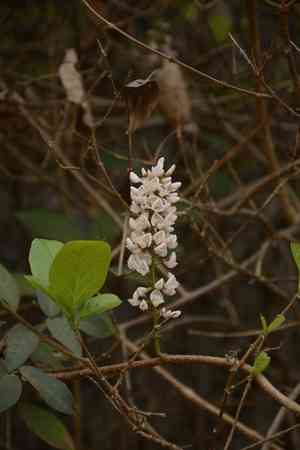
The optimal period for relocating three-leaf derris is amidst the revitalizing embrace of mid to late spring, fostering vigorous development. Choose a location with good drainage and filtered sunlight. Offer generous watering and delicate attention after transplantation to ensure successful adjustment.
What Preparations are Needed Before Transplanting Three-leaf Derris?
What is the Ideal Time for Transplanting Three-leaf Derris?
The optimal period for relocating your three-leaf derris spans from the onset of mid-spring to the conclusion of late spring. This timeframe provides three-leaf derris with an ideal mix of moderate temperatures and increasing daylight, conditions highly favorable for root establishment and development. Moving three-leaf derris during this phase ensures they benefit from the entire growing season, boosting their resilience before the summer heat. Carefully transplanting three-leaf derris now guarantees smooth acclimatization, allowing your plants to flourish and adorn your garden with their enduring charm.
How Much Space Should You Leave Between Three-leaf Derris Plants?
When preparing to rehome your three-leaf derris, remember they require ample room to thrive. Aim to space them approximately 6.5 - 10 feet (2-3 meters) apart. This provides each plant sufficient area to grow and ensures they will have plenty of space to expand and prosper.
What is the Best Soil Mix for Three-leaf Derris Transplanting?
Before your three-leaf derris can settle in, prepare a comfortable bed using well-draining soil rich in organic matter. A suitable base fertilizer to incorporate is a balanced, slow-release type, which will support your three-leaf derris's growth without overwhelming it.
Where Should You Relocate Your Three-leaf Derris?
Your three-leaf derris enjoys soaking up the sun but appreciates some shade during the warmest part of the day. Choose a sunny location that also offers protection from intense afternoon sun, providing your three-leaf derris with a balance of light and shelter.
What Equipments Should You Prepare Before Transplantation Three-leaf Derris?
Gardening Gloves
To safeguard your hands while handling soil and plants.
Shovel or Spade
For digging around and beneath the plant.
Garden Fork
To gently loosen the soil without harming the root system.
Pruning Shears
To trim any damaged roots or foliage.
Wheelbarrow or Garden Cart
For moving the plant and soil.
Watering Can or Hose
To hydrate the plant immediately after transplanting.
Trowel
For more precise digging when preparing the plant's hole.
Burlap or Tarp
To secure the root ball and soil during relocation.
How Do You Remove Three-leaf Derris from the Soil?
How Do You Remove Three-leaf Derris from the Soil?
From Ground: First, moisten the three-leaf derris plant to dampen the soil. Use a garden fork to loosen the soil surrounding the plant, ensuring ample clearance to avoid cutting into the root ball. Carefully work to lift the plant, keeping as much of the root ball intact as possible.From Pot: Begin by watering the soil in the pot to facilitate the root ball's removal. Turn the pot on its side and gently tap to dislodge the plant. You may need to squeeze plastic pots or run a trowel along the inner edge of clay pots to help release the plant.From Seedling Tray: Water the seedlings thoroughly before transplanting. Carefully use a trowel or a specialized plug tool to lift the seedling, ensuring you include sufficient soil to support the roots. Handle delicate seedlings by their leaves rather than their stems to minimize damage.
Step-by-Step Guide for Transplanting Three-leaf Derris
Plan your Move
Schedule transplanting on a cool or cloudy day, ideally with moist soil, to lessen transplant shock.
Dig the Hole
Use a shovel or trowel to create a hole in the ground, making it twice as wide as the root ball and the same depth to prevent the three-leaf derris from being planted too deeply.
Position the three-leaf derris
Carefully place the three-leaf derris in the center of the hole, spreading out the roots if necessary. Ensure it stands upright.
Backfill the Hole
Fill the hole with the excavated soil, gently patting it down to remove air pockets. Water thoroughly to help settle the soil around the roots.
Support if Necessary
If the three-leaf derris is tall or unstable, use a stake and soft ties to provide support without harming the stem.
How Do You Care For Three-leaf Derris After Transplanting?
Initial Watering
Thoroughly water the three-leaf derris after transplanting to help settle the soil and eliminate air pockets around the roots.
Check and Maintain Moisture
Ensure that the soil remains consistently moist as the three-leaf derris establishes. Avoid overwatering or allowing the soil to dry out.
Monitor Growth
Keep a close watch on the three-leaf derris, looking for signs of distress such as wilting or discoloration, which could indicate issues with watering or disease.
Adjust Support
As the three-leaf derris grows, adjust any stakes or ties to prevent restriction and encourage straight growth.
Troubleshooting Common Issues with Three-leaf Derris Transplantation.
What's the best time to transplant three-leaf derris for optimal growth?
The ideal time for transplanting three-leaf derris is during mid to late spring, utilizing the moderate temperatures for root establishment.
How much space does three-leaf derris need when transplanting?
Ensure a generous space of approximately 6.5-10 feet (2-3 meters) between plants, to allow for growth without overcrowding.
Why is my three-leaf derris wilting after transplanting?
Wilting may indicate transplant shock. Keep the soil moist and provide shade to minimize stress during the initial days.
How much should I water three-leaf derris after transplanting?
Water thoroughly post-transplant, maintaining dampness, not saturated soil, to encourage roots to settle in the new location.
Do I fertilize three-leaf derris immediately after transplanting?
Wait a few weeks before fertilizing to prevent root burn, then apply a balanced, slow-release fertilizer.
How deep should I plant three-leaf derris's root ball?
The root ball should be planted at its original depth, with the top level with the ground surface.
Can I transplant three-leaf derris on a hot, sunny day?
Transplant on an overcast day or in the evening to reduce transplant shock and moisture loss from foliage.
My three-leaf derris's leaves are yellowing post-transplant. What should I do?
Yellowing might signal excessive water or distress. Verify proper drainage, adjust watering, and check for signs of stress.
Is it necessary to prune three-leaf derris when transplanting?
Light pruning can help reduce stress on three-leaf derris during transplanting by balancing root loss and top growth.
Why are the roots of my three-leaf derris exposed after transplanting?
Exposed roots can result from shallow planting or soil erosion. Cover with soil and add mulch to retain moisture.



