How to Transplant Upland larkspur?
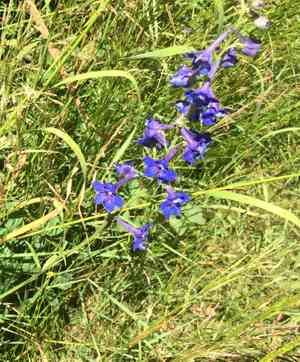
Upland larkspur flourishes when relocated from the beginning to the end of spring, benefiting from temperate conditions. Select a site with full sun or partial shade and soil that drains effectively. Verify that the soil environment fosters robust root development for optimal growth and bloom production.
What Preparations are Needed Before Transplanting Upland Larkspur?
What is the Ideal Time for Transplanting Upland Larkspur?
The best period for relocating upland larkspur, a perennial plant, spans from early to late spring. This timing allows for robust root development prior to summer's heat, fostering better establishment and growth. Moving the plant during these months maximizes its access to hydration and nutrients, boosting its overall health and flowering potential.
How Much Space Should You Leave Between Upland Larkspur Plants?
When relocating upland larkspur, ensure each plant is positioned approximately 12-18 inches (30-45 cm) apart. This provides ample room for growth and expansion without overcrowding. Proper spacing promotes good air circulation and healthier specimens.
What is the Best Soil Mix for Upland Larkspur Transplanting?
Prepare the ground for upland larkspur by ensuring it drains well and is rich in organic material. A combination of garden soil and compost works effectively. Incorporate a foundational fertilizer with a balanced N-P-K ratio, such as 10-10-10, to give the plants a strong start.
Where Should You Relocate Your Upland Larkspur?
Upland larkspur thrives in a spot that receives ample sunlight, at least 6-8 hours daily. Select a garden area not shaded by structures or large trees to guarantee they get the necessary light.
What Equipments Should You Prepare Before Transplantation Upland Larkspur?
Gardening Gloves
To safeguard your hands while handling soil and plants.
Shovel or Spade
For excavating and lifting the plant along with its root ball.
Hand Trowel
Useful for creating smaller holes and more delicate tasks.
Watering Can or Hose
To keep the plant hydrated throughout the process.
Wheelbarrow
For moving heavy soil or the plant itself.
Stakes and Ties
To provide support for the plant if needed after relocation.
Mulch
For covering the soil around the plant to retain moisture.
How Do You Remove Upland Larkspur from the Soil?
How Do You Remove Upland Larkspur from the Soil?
From Ground: First, moisten the upland larkspur plant to dampen the surrounding soil. Then, dig a wide trench around the plant using a shovel or spade, ensuring the root ball remains intact. Carefully work the spade beneath the root ball to lift the plant from its original spot.From Pot: Hydrate the upland larkspur plant thoroughly to keep the soil cohesive. Gently tap the pot's sides and tilt it to extract the plant. If it's stuck, use a hand trowel to loosen the edges. Slide the plant out while supporting its base.From Seedling Tray: Prepare for relocation once seedlings have developed a few sets of true leaves. Water the tray well beforehand. Gently loosen the soil around the seedlings with a hand trowel and lift each one by holding the leaves, not the stem, to prevent damage.
Step-by-Step Guide for Transplanting Upland Larkspur
Prepare Hole
Excavate a hole in the new location that is twice as wide and as deep as the upland larkspur plant's root ball.
Amend Soil
If necessary, enrich the soil with well-rotted organic matter to create a nutrient-rich environment.
Remove Plant
Carefully extract the upland larkspur plant from its initial position as described in the previous section.
Position Plant
Place the upland larkspur plant into the prepared hole, ensuring it sits at the same depth as it was growing previously.
Fill Hole
Backfill the hole with the existing soil (and any amendments), pressing gently around the base to eliminate air pockets.
Water Thoroughly
Water the plant extensively immediately after relocation to help settle the soil around its roots.
Add Mulch
Apply a layer of mulch around the plant's base to conserve moisture and inhibit weed growth.
Stake if Needed
If the upland larkspur plant is tall or requires support, insert stakes into the ground and gently secure the plant with garden ties.
How Do You Care For Upland Larkspur After Transplanting?
Watering
Maintain consistent moisture in the soil around the upland larkspur, avoiding sogginess, for the initial weeks post-transplant to aid in root establishment.
Monitoring
Regularly inspect the plant for indications of transplant shock, such as wilting or yellowing foliage, and provide additional water if required.
Mulching
Replenish the mulch as needed to maintain a stable soil temperature and moisture level.
Pest Management
Watch for pests and address them with organic methods if necessary to safeguard the upland larkspur during its settling phase.
Troubleshooting Common Issues with Upland Larkspur Transplantation.
When is the best time to transplant upland larkspur?
Early to late spring is the optimal period for relocating upland larkspur.
How much space should I leave between each upland larkspur?
Position each upland larkspur 12-18 inches (30-45 cm) apart.
What's the best way to prepare soil for upland larkspur?
Ensure well-draining soil enriched with compost or organic material.
How do I avoid transplant shock in upland larkspur?
Water upland larkspur thoroughly before and after relocation to minimize stress.
How deep should I plant the upland larkspur?
Plant upland larkspur at the same depth it was growing previously.
How to handle the roots when transplanting upland larkspur?
Gently loosen the roots without causing damage before planting.
What are the signs of transplant shock in upland larkspur?
Wilting, yellowing leaves, and stunted growth are common indicators.
Should I fertilize upland larkspur after transplanting?
Wait a few weeks before fertilizing to allow upland larkspur to acclimate.
Can upland larkspur handle full sunlight immediately after transplanting?
Provide partial shade initially to ease the transition.
What to do if upland larkspur shows signs of stress post-transplant?
Ensure adequate watering, mulching, and protection from extreme conditions.



