How to Transplant Sierra Larkspur?
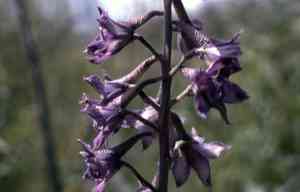
The ideal period for relocating sierra Larkspur is when the atmosphere is invigorated by the advent of spring, generally from the beginning to the end of the season. Select a location that receives ample sunlight to partial shade and possesses soil that drains effectively. Bear in mind, careful manipulation guarantees the roots of sierra Larkspur establish themselves without stress.
What Preparations are Needed Before Transplanting Sierra Larkspur?
What is the Ideal Time for Transplanting Sierra Larkspur?
The best time to move sierra Larkspur is during nature's awakening, from when frost disappears until summer's warmth arrives. Transplanting sierra Larkspur as new growth appears ensures roots establish well in mild soil, boosting strength and bloom potential. This timing aligns with sierra Larkspur's natural growth cycle, promoting a smooth transition to its new spot, fostering resilience, and promising vibrant color and vitality.
How Much Space Should You Leave Between Sierra Larkspur Plants?
Let's ensure your sierra Larkspur has ample room to flourish! Aim to position each plant 12-18 inches (30-46 cm) apart. This will guarantee they have sufficient space to grow robustly without competing for essential resources.
What is the Best Soil Mix for Sierra Larkspur Transplanting?
Your sierra Larkspur will thrive in rich, well-draining soil. Before transplanting, enrich your garden bed with compost to nourish the plants. A balanced, slow-release fertilizer is perfect to give your sierra Larkspur an excellent start!
Where Should You Relocate Your Sierra Larkspur?
Finding the correct location for your sierra Larkspur is crucial – a spot with full to partial sunlight is perfect. This ensures your plant receives the necessary light while also providing some shade during the hottest part of the day.
What Equipments Should You Prepare Before Transplantation Sierra Larkspur?
Gardening Gloves
To safeguard your hands while handling soil and plants.
Shovel or Spade
For digging around and beneath the plant for secure removal.
Hand Trowel
Useful for smaller or more precise digging tasks.
Watering Can or Hose
To hydrate the plant before and after relocation.
Wheelbarrow
For transporting the sierra Larkspur and any necessary soil amendments.
Root Pruning Shears
To trim any damaged or excessively long roots prior to transplanting.
Measuring Tape
To ensure correct spacing between individual plants.
Plant Supports/Stakes
To offer stability to sierra Larkspur if needed post-transplant.
How Do You Remove Sierra Larkspur from the Soil?
How Do You Remove Sierra Larkspur from the Soil?
From Ground: Water the sierra Larkspur to moisten the soil, making it easier to manage. Use a shovel to carefully dig a trench around the plant, maintaining a safe distance to protect the root ball. Slide the spade under the root ball and gently lift the plant from the ground.From Pot: Begin by watering the sierra Larkspur to facilitate smoother removal. Invert the pot and gently tap the bottom to loosen the plant. Hold the plant's base and carefully coax it out, supporting the soil and root ball with your other hand.From Seedling Tray: Water the seedlings first. Use a hand trowel or similar tool to loosen the soil around each seedling. Gently lift the seedling by its leaves, not the stem, to prevent damage, easing it out with a small amount of soil attached to the roots.
Step-by-Step Guide for Transplanting Sierra Larkspur
Preparation
Prepare the new planting location by loosening the soil to a depth several inches greater than the root ball's height.
Root Inspection
Examine the sierra Larkspur's roots, using root pruning shears to remove any damaged or diseased sections.
Hole Digging
With your measuring tape, dig a hole that is twice as wide and equally as deep as the root ball using a shovel or spade.
Plant Positioning
Place the sierra Larkspur in the center of the hole, ensuring the top of the root ball is level with the surrounding soil surface.
Refilling
Backfill the hole with soil halfway, then water thoroughly to help settle the soil and eliminate air pockets. Once the water has drained, fill the remainder of the hole with soil.
Stabilizing
If the sierra Larkspur is tall or appears unstable, insert plant supports or stakes gently next to the plant and secure it with soft ties.
Finishing Touches
Water the sierra Larkspur again after planting and apply a layer of mulch around the base to help retain soil moisture, being careful to keep mulch away from the plant's stems.
How Do You Care For Sierra Larkspur After Transplanting?
Initial Watering
Provide the sierra Larkspur with gentle but thorough watering to aid its recovery and establishment in its new spot.
Monitoring
Keep a close watch on the sierra Larkspur for signs of stress, such as wilting leaves or discoloration, and take corrective actions as needed.
Staking
Check any stakes or supports regularly to ensure they are effectively performing their function without harming the sierra Larkspur.
Mulching
Maintain the layer of mulch around the sierra Larkspur to conserve soil moisture and provide a stable temperature environment.
Gradual Sun Exposure
If sierra Larkspur was previously in a shadier location, slowly acclimate it to the new lighting conditions to reduce the risk of shock.
Regular Observation
Continue observing the plant over the subsequent weeks, making sure to address any issues such as pests or diseases promptly.
Troubleshooting Common Issues with Sierra Larkspur Transplantation.
What's the best time to transplant sierra Larkspur?
Choose the mild warmth of early to late spring for transplanting sierra Larkspur, allowing it to settle before summer.
How far apart should sierra Larkspur be spaced when transplanting?
Space sierra Larkspur approximately 12-18 inches (30-45 cm) apart to give them ample room to grow and thrive.
Why is my sierra Larkspur wilting after transplanting?
Wilting can occur if sierra Larkspur didn't receive enough water post-transplant. Ensure consistent moisture without saturating the soil.
How deep should the hole be for transplanting sierra Larkspur?
Dig a hole as deep as the root ball and twice as wide, to comfortably accommodate sierra Larkspur's roots.
Can I transplant sierra Larkspur on a hot, sunny day?
Avoid intense midday sun. Opt for a cool, overcast day or evening to prevent stress on sierra Larkspur.
What soil conditions favor sierra Larkspur transplanting success?
Use well-draining, fertile soil with a neutral to slightly acidic pH. Amend with compost for optimal results.
Should I fertilize sierra Larkspur immediately after transplanting?
Wait a few weeks before fertilizing. Let sierra Larkspur establish itself, then lightly apply a balanced, slow-release fertilizer.
How often should I water sierra Larkspur after transplanting?
Keep the soil consistently moist, watering sierra Larkspur deeply 1-2 times weekly, depending on weather and soil type.
What's the indicator that sierra Larkspur is ready for transplant?
When sierra Larkspur has a robust root system and shows signs of new growth, it's prepared to move to a new space.
My sierra Larkspur has yellowing leaves post-transplant. Why?
Yellow leaves can indicate over/under-watering or transplant shock. Adjust care and give sierra Larkspur time to recover.



