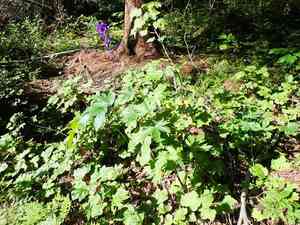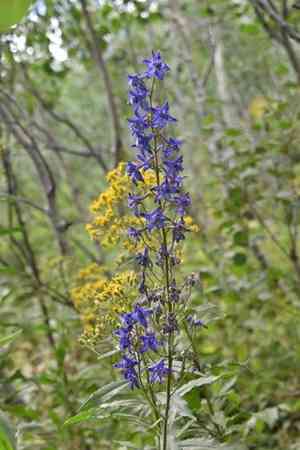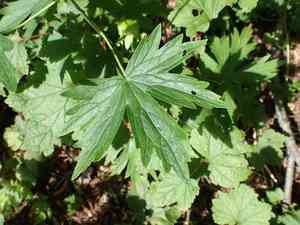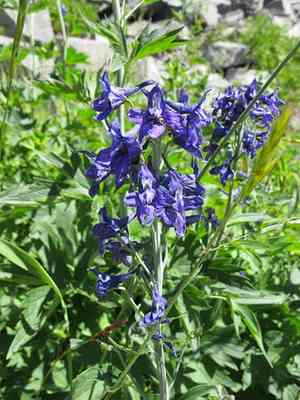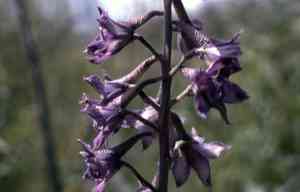
Sierra Larkspur(Delphinium glaucum)

Sierra Larkspur (Delphinium glaucum)

Also known as: Tower Larkspur, Waxy Pale Larkspur

Osha (*Ligusticum porteri*) is a plant species native to western North America. It has garnered significant attention in phytochemical research. This species thrives in moist mountainous areas, particularly along riverbanks and in meadows.

Attributes of Sierra Larkspur

Lifespan
Perennial
Plant Type
Herb
Plant Height
91 cm to 1.8 m
Spread
30 cm to 75 cm
Leaf Color
Green
Flower Size
2 cm to 3 cm
Flower Color
Purple

ForwardPlant - Identify plants with a snap

Identify and diagnose plants, get toxicity alerts, and explore safety guides for all types of fungi.

Try for Free

Images of Sierra Larkspur

Sierra Larkspur(Delphinium glaucum)

Quickly Identify Sierra Larkspur

1
Delphinium glaucum can be identified by its tall, erect habit, deeply lobed leaves, and elongated clusters of blue to purple flowers with a distinctive spur at the back.

Scientific Classification of Sierra Larkspur

Phylum
Vascular plants
Class
Dicotyledons
Order
Ranunculales
Family
Buttercup
Genus
Larkspurs
Species
Sierra Larkspur

Planting and Growing of Sierra Larkspur

Care Difficulty
Hard
Watering Schedule
Every 4 days
Sunlight Requirements
Full sun
Sunshine Duration
4-6 hours
Ideal Temperature
60-70℉
Soil Type
Potting Mix, Peat Mix
Soil pH
6-7
Fertilizer Type
Balanced
Pruning Season
Spring, Summer
Pruning Area
Branches, Leaves
Pruning Frequency
2 times a year
Repotting Season
Spring
Pot Type
Plastic, Ceramic

water icon How to Water Sierra Larkspur?

When watering Delphinium glaucum, the aim is to ensure the soil is consistently moist but not waterlogged. Each watering should allow the water to seep thoroughly through the soil, reaching the roots without leaving standing water. Approximately 500ml per watering is usually sufficient, depending on the size of the plant and pot.
What are the symptoms of an underwatered Sierra Larkspur?
What should I do if my Sierra Larkspur is not getting enough water?
What are the symptoms of an overwatered Sierra Larkspur?
How to save an overwatered Sierra Larkspur?

sunlight icon What Are the Sunlight Requirements for Sierra Larkspur?

Sunlight Requirements: Full sun, Partial sun
Duration of light: 6-8 hours daily
Full sun to partial sun, ensuring 6-8 hours daily exposure supports robust photosynthesis, leading to healthy, lush growth and abundant flowering.
What is the best lighting condition for Delphinium glaucum?
How can you achieve ideal lighting conditions?
What are the benefits of providing ideal lighting?
More About Sunlight Requirements Techniques

temperature icon What Is the Ideal Temperature Range for Sierra Larkspur?

Ideal Temperature: 60 ~ 70℉
The ideal temperature range for cultivating Delphinium glaucum is between 60°F and 70°F. This temperature range ensures optimal growth and flowering, providing the necessary environmental conditions for the plant's metabolic processes to function efficiently.

soil icon What Soil is Best for Sierra Larkspur?

Soil type: Loam, Sandy loam, Acidic soil
Soil PH: 6 ~ 7
Delphinium glaucum thrives in well-drained loamy soil, which provides the perfect balance of drainage and moisture retention. This type of soil ensures that the plant roots have access to necessary nutrients while avoiding root rot from overwatering. Preferring a soil pH range of 6.0 to 7.0, Delphinium glaucum performs best in environments that are neither too acidic nor overly alkaline. This pH range allows for optimal nutrient uptake and healthy plant growth. Incorporating organic matter into the soil enriches it and boosts the nutrient availability for Delphinium glaucum. This is crucial for supporting the lush foliage and vibrant blooms characteristic of this species.

fertilize icon How to Fertilize Sierra Larkspur?

Fertilizer type: Balanced
For Delphinium glaucum, a moderate amount of fertilizer is recommended. Use approximately half strength of a balanced, water-soluble fertilizer once a month during the growing season. This ensures the plant receives necessary nutrients without risking root burn or nutrient imbalance.

prune icon How to Prune Sierra Larkspur?

Pruning Time: Spring, Summer
Prune in early spring before new growth starts to optimize the plant's energy for growth. Summer pruning can be done after flowering to remove spent blooms, which will tidy the plant and possibly prompt a second bloom. Pruning during late autumn is advisable to prepare the plant for winter. This involves cutting back the stems to ground level to protect the plant from frost damage and to prepare it for vigorous growth in the following season. More About Pruning Techniques

propagate icon How to Propagate Sierra Larkspur plant?

Propagate Time: Spring, Early spring, Late spring
1
Begin by filling seed trays with a quality seed-starting mix. Sow the seeds on the surface of the soil and lightly cover with vermiculite. The seeds need light to germinate, so do not bury them deeply.
2
Select a healthy parent plant and take cuttings from non-flowering shoots about 4-6 inches long. Remove the leaves from the lower half of the cutting before planting it in a well-draining medium.
3
For division, dig up the parent plant and gently separate the roots into sections. Each section should have at least one good shoot and a portion of the root system before replanting in a prepared bed.

repot icon How to Repot Sierra Larkspur plant?

Repotting frequency: Every 2-3 years
1
Look for signs that Delphinium glaucum needs repotting, such as roots emerging from the drainage holes, slowed growth, or compacted soil. The ideal time to repot is during Spring or Autumn when the plant is actively growing, which allows it to quickly adapt to the new environment.
2
Select a pot that is one size larger than the current one, with good drainage holes. Adequate drainage ensures that excess water flows away from the roots, preventing root rot and promoting healthier growth.
3
Opt for well-draining loamy soil, enriched with organic matter. This type of soil retains moisture while allowing excess water to escape, creating a balanced environment that supports robust root development and minimizes the risk of root diseases.

ForwardPlant - Identify plants with a snap

Find the best spots for them to optimize their health, simply using your phone.

Try for Free

Toxicity of Sierra Larkspur

Is Sierra Larkspur toxic to humans?

Sierra Larkspur poses a significant poisoning risk to humans if ingested. The level of toxicity is severe and can result in fatal outcomes. Every part of the plant is toxic, with its toxicity peaking during its early growth stages. Symptoms stem from alkaloid toxicity and may include vomiting, trembling, convulsions, diarrhea, and difficulty breathing. Individual sensitivity to the plant’s toxins can differ based on a person's age, weight, and overall health. This plant is frequently cultivated in residential areas, increasing the risk for children.

Identify toxic plants for your safety

Learn which plants are harmful to you and your pets, and make informed choices for a safer home!

Try for Free
WARNING
The judgment on toxicity and danger is for reference only. We DO NOT GUARANTEE any accuracy of such judgment. Therefore, you SHALL NOT rely on such judgment. It is IMPORTANT TO SEEK PROFESSIONAL ADVICE in advance when necessary.
More About Toxic Techniques