How to Transplant Coastal tarweed?
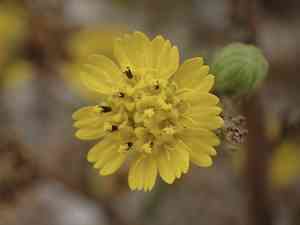
Coastal tarweed flourishes when relocated during the revitalizing period of early to mid-spring, as it benefits from moderate temperatures and abundant light. Ideal circumstances involve a bright spot with soil that drains effectively. Handle with care to reduce any disruption to the roots.
What Preparations are Needed Before Transplanting Coastal Tarweed?
What is the Ideal Time for Transplanting Coastal Tarweed?
The best period for relocating coastal tarweed, an annual, is early to mid-spring. This timeframe provides mild temperatures and consistent moisture, crucial for root development. Moving it then ensures superior growth and blooming as the plant benefits from a full growing season, leading to vibrant, healthy flowers.
How Much Space Should You Leave Between Coastal Tarweed Plants?
Position coastal tarweed 12-18 inches (30-45 cm) apart to allow ample room for growth and flourishing. This spacing aids air circulation and lowers disease risk.
What is the Best Soil Mix for Coastal Tarweed Transplanting?
Utilize well-draining soil with a sandy or loamy texture. Prior to transplanting coastal tarweed, incorporate a balanced fertilizer to enrich the soil and support robust growth.
Where Should You Relocate Your Coastal Tarweed?
Select a spot that receives full sunlight, at least 6-8 hours daily. Coastal tarweed thrives best in sunny locations, which will promote vigorous development.
What Equipments Should You Prepare Before Transplantation Coastal Tarweed?
Gardening Gloves
To safeguard your hands while handling soil and plants.
Trowel or Shovel
To assist in digging up and moving the plant from its original spot.
Watering Can or Hose
To hydrate the plant before and after relocation.
Garden Fork
To loosen the soil around the plant for easier extraction.
Bucket or Container
To transport the plant if necessary.
Mulch
To help retain moisture and suppress weeds post-transplanting.
How Do You Remove Coastal Tarweed from the Soil?
How Do You Remove Coastal Tarweed from the Soil?
From Ground: First, water the coastal tarweed plant to moisten the soil. Next, dig a wide trench around the plant using a shovel or spade, ensuring the root ball remains intact. Carefully work the spade beneath the root ball to lift the plant from its initial position.From Pot: Thoroughly water the coastal tarweed plant. Gently tilt the pot sideways and tap the bottom to loosen the plant. Carefully slide the plant out, taking care not to harm the roots.From Seedling Tray: Water the coastal tarweed seedlings to dampen the soil. Use a garden fork or small trowel to gently lift the seedlings from the tray, ensuring the root system stays intact.
Step-by-Step Guide for Transplanting Coastal Tarweed
Site Selection
Choose a location with adequate sunlight and room for your coastal tarweed plant to reach its full size.
Prepare the Soil
Loosen the soil where you will be relocating the coastal tarweed plant. Ensure the soil drains well and is slightly acidic to neutral.
Dig the Hole
Excavate a hole that is twice as wide and as deep as the root ball of the coastal tarweed plant.
Transplant the Plant
Place the coastal tarweed plant into the hole, making sure it is at the same depth it was originally growing. Fill the hole with soil and gently press it down to remove air pockets.
Water the Plant
Water the coastal tarweed plant thoroughly immediately after transplanting to help settle the soil around the roots.
Apply Mulch
Spread a layer of mulch around the base of the coastal tarweed plant to help retain moisture and deter weeds.
How Do You Care For Coastal Tarweed After Transplanting?
Watering
Keep the soil around the coastal tarweed consistently moist, but not waterlogged, for the initial weeks after transplanting to aid in establishing strong roots.
Monitoring
Look for signs of stress or wilting and adjust care as needed. Be patient, as it can take some time for the coastal tarweed plant to fully adapt to its new environment.
Pruning
Remove any dead or damaged leaves to encourage healthy development.
Troubleshooting Common Issues with Coastal Tarweed Transplantation.
When is the best time to transplant coastal tarweed?
The ideal time to transplant coastal tarweed is in early to mid-spring for optimal outcomes.
How much space should I leave between each coastal tarweed plant?
Ensure plants are spaced 12-18 inches (30-45 cm) apart to encourage robust growth.
What soil type is best for transplanting coastal tarweed?
Well-draining soil with a blend of sand, loam, and organic matter is perfect.
How do I prepare the soil before transplanting coastal tarweed?
Loosen the soil to a depth of 8-10 inches (20-25 cm) and enrich with compost.
How much water do coastal tarweed seedlings need after transplanting?
Water the seedlings thoroughly after transplanting, then regularly until established, avoiding saturation.
Should I apply mulch around coastal tarweed plants?
Yes, apply a thin layer of mulch to conserve moisture and prevent weeds.
What if coastal tarweed plants start wilting after transplanting?
Ensure they are not over or underwatered, and consider temporary shade if it's too sunny.
Can I use fertilizer when transplanting coastal tarweed?
Use a balanced, slow-release fertilizer lightly mixed into the soil at the time of planting.
How do I prevent transplant shock in coastal tarweed plants?
Transplant coastal tarweed during the cooler part of the day and water immediately to minimize shock.
Will coastal tarweed plants survive if the temperature drops unexpectedly?
Cover with a frost cloth or move pots indoors if temperatures fall below freezing (32°F/0°C).



