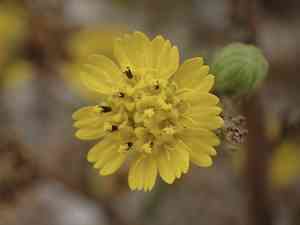
Coastal tarweed (Deinandra corymbosa)
Also known as: Golden Yarrow, Delta tarweed
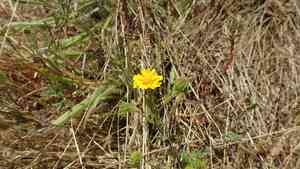
Coastal tarweed, a hardy herbaceous plant, features clusters of yellow flowers perched on upright, slender stems. Its narrow, somewhat sticky gray-green leaves contribute to its drought resistance, reflecting its adaptation to sunny, open environments. This plant prospers in coastal scrub and grassland areas, where its resilience enables it to withstand tough conditions.
In This Article
Attributes of Coastal tarweed
Lifespan
Annual
Plant Type
Herb
Plant Height
1 to 3 feet
Spread
1 to 2 feet
Leaf Color
Green
Flower Size
1 inch
Flower Color
Yellow
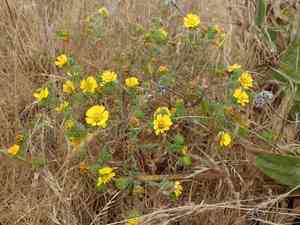
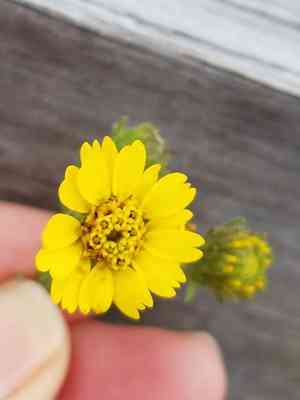
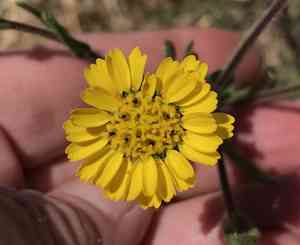
Images of Coastal tarweed
Quickly Identify Coastal tarweed
1
This plant can be identified by its yellow flowers, which are densely clustered in flat-topped arrays. It has narrow, lance-shaped leaves that are often sticky to the touch.
Scientific Classification of Coastal tarweed
Phylum
Vascular plants
Class
Dicotyledons
Order
Asterales
Family
Daisy
Genus
Otay tarplant
Species
Coastal tarweed
Planting and Growing of Coastal tarweed
Care Difficulty
Moderate
Watering Schedule
Every 2 days
Sunlight Requirements
Full sun
Sunshine Duration
4-8 hours
Ideal Temperature
60-75℉
Soil Type
Potting Mix, Peat Mix
Soil pH
6-7.5
Fertilizer Type
Balanced
Pruning Season
Spring, Summer
Pruning Area
Branches, Leaves
Pruning Frequency
2 times a year
Repotting Season
Spring
Pot Type
Terracotta, Plastic
 How to Water Coastal tarweed?
For Deinandra corymbosa, a strategic approach is crucial to ensure proper watering. Each time, you should aim for approximately 200ml of water, allowing the moisture to evenly distribute through the soil. This plant thrives when the soil is allowed to dry partially between waterings, which can be tested by touching the soil a couple of inches down. If it feels dry, it's time to water.
What are the symptoms of an underwatered Coastal tarweed?
›
What should I do if my Coastal tarweed is not getting enough water?
›
What are the symptoms of an overwatered Coastal tarweed?
›
How to save an overwatered Coastal tarweed?
›
 What Are the Sunlight Requirements for Coastal tarweed?
Deinandra corymbosa thrives best in full sun, with 6 to 8 hours of unfiltered sunlight. This light exposure fosters robust plant growth, enhanced photosynthesis, and maximized flowering, ensuring the plant maintains a vibrant and healthy appearance.
How do I achieve ideal lighting conditions for Deinandra corymbosa?
›
What measures can I take to ensure Deinandra corymbosa gets optimal light?
›
Why is optimal lighting crucial for Deinandra corymbosa?
›
 What Is the Ideal Temperature Range for Coastal tarweed?
Deinandra corymbosa thrives best in a temperature range of 60°F to 75°F. This range ensures that the plant can photosynthesize efficiently and maintain healthy cellular processes. Maintaining consistent temperatures within this range supports optimal growth and flowering phases.
 What Soil is Best for Coastal tarweed?
Deinandra corymbosa thrives in well-drained soil that prevents waterlogging, which can lead to root rot. Providing such conditions helps ensure that the roots get sufficient air circulation, promoting healthy growth. This plant benefits from nutrient-rich soil that supplies the essential elements required for its growth. A blend of natural compost and organic matter enhances soil fertility, resulting in lush foliage and robust blooming. Maintaining a slightly acidic to neutral pH between 6.0 and 7.5 allows Deinandra corymbosa to access nutrients effectively. This pH range facilitates optimal nutrient uptake, leading to vibrant and resilient plants.
 How to Fertilize Coastal tarweed?
For Deinandra corymbosa, it's best to use a diluted liquid fertilizer solution at one-quarter strength. This allows the plant to receive nutrients without overwhelming its delicate root system. Mix a balanced fertilizer at a rate of about 5 milliliters per liter of water.
 How to Prune Coastal tarweed?
Start by using clean, sharp pruning shears to avoid damage or disease transmission. Trim back the ends of the branches, focusing on dead or overgrown shoots. Cut just above a set of leaves or a leaf node to promote healthy regrowth. For optimal shaping, aim to create a balanced structure by maintaining even spacing between branches.
More About Pruning Techniques→
 How to Propagate Coastal tarweed plant?
1
Gather seeds from mature flowers, ensuring they are dry and free from disease. Clean them gently to remove any debris and store in a cool, dry place until ready to plant.
2
Select a healthy stem and make a clean cut just below a node using sterilized pruning shears. This is crucial for promoting root growth and preventing disease.
3
Place seeds on a seed tray filled with well-draining soil. For cuttings, insert them into a pot with a suitable rooting medium. Keep the environment humid for successful germination or rooting.
 How to Repot Coastal tarweed plant?
1
Monitor its growth for signs like overcrowding in its current pot or visible roots emerging from the drainage holes. Noticeably stunted growth or water sitting on the surface might also indicate the need for repotting. Repot in late spring or early summer for best results.
2
Opt for a pot that is one size larger than the current one, preferably with drainage holes to allow excess water to escape. Terracotta pots are ideal as they promote air circulation and prevent root rot, keeping your Deinandra corymbosa healthy and thriving.
3
Use a well-draining sandy soil mix enriched with organic matter like compost. This composition ensures proper aeration, preventing root rot and promoting healthy root development, which encourages vibrant growth and healthy blooms.
Learn More About Coastal tarweed Diseases
Anthracnose
Bacterial Leaf Spot
Bacterial Soft Rot
Bacterial Wilt
Crown Gall
Cyst Nematode
Damping-off
Downy Mildew
Drought Stress
Fusarium Wilt
Gray Mold
Leaf Curl
Leaf Spot
Mosaic
Nutrient Deficiency
Nutrient Toxicity
Powdery Mildew
Root Rot
Root-knot Nematode
Rusts
Sooty Mold
Spider Mites
Temperature Stress
Thrips Damage
White Mold
Chemical Injury



