How to Transplant Sixweeks prairie clover?
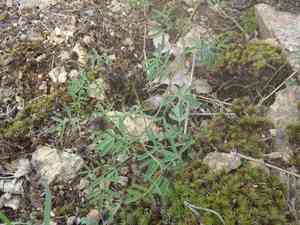
Sixweeks prairie clover flourishes most effectively when relocated from the beginning of spring until its end, owing to ideal growing circumstances. Select a bright spot with soil that drains properly. Essential transplant advice: prevent disturbing the roots and provide ample water post-transplant to guarantee successful settling.
Necessary Preparations Before Relocating Sixweeks Prairie Clover?
Optimal Period for Moving Sixweeks Prairie Clover?
The best time to move sixweeks prairie clover is from early spring through the end of spring. This timing aligns with its natural growth cycle, ensuring favorable soil temperatures and moisture levels. Relocating sixweeks prairie clover during this period promotes strong root development and vigorous growth, leading to a healthier, more resilient plant.
Required Spacing Between Sixweeks Prairie Clover Plants?
When relocating sixweeks prairie clover, aim for approximately 24 inches (60 cm) between each plant. This provides ample room for development and ensures each plant receives adequate nutrients and sunlight.
Best Soil Mixture for Sixweeks Prairie Clover Relocation?
For sixweeks prairie clover, prepare sandy or well-draining soil enriched with compost or a balanced base fertilizer. This combination supplies essential nutrients and supports robust root growth.
Where to Replant Your Sixweeks Prairie Clover?
When selecting a new spot for sixweeks prairie clover, choose an area that receives at least 6 hours of full sunlight daily. This ensures the plant gets sufficient light to flourish.
Equipment to Prepare Before Relocating Sixweeks Prairie Clover?
Gardening Gloves
To safeguard your hands while handling soil and the plant.
Shovel or Spade
For digging the planting hole and, if necessary, extracting the plant from the ground.
Trowel
For more precise, smaller digging tasks.
Watering Can or Hose
To hydrate the plant before and after its relocation.
Mulch
To aid in retaining soil moisture and moderating temperature.
Plant Support (Optional)
To provide stability if the plant is tall or slender post-relocation.
How to Extract Sixweeks Prairie Clover from the Soil?
How to Extract Sixweeks Prairie Clover from the Soil?
From Ground: Moisten the soil around the sixweeks prairie clover to facilitate digging. Using a shovel or spade, excavate a wide trench around the plant, keeping the root ball intact. Carefully lift the plant from the soil, supporting the root ball to prevent damage.From Pot: Water the plant thoroughly to loosen the soil. Gently invert the pot while supporting the plant. Lightly tap the pot's sides to release the plant. If it resists, try gently squeezing the pot or using a trowel to loosen the edges.From Seedling Tray: Ensure the seedling tray is adequately watered. Use a trowel or your fingers to carefully lift the sixweeks prairie clover seedling from the tray, taking care to keep the root system undisturbed. Handle the seedling by its leaves rather than the stem to avoid harm.
Step-by-Step Guide for Relocating Sixweeks Prairie Clover
Prepare the Planting Site
Select a location with adequate sunlight and space for your sixweeks prairie clover to reach its mature size. Clear the area of any weeds or debris.
Dig the Planting Hole
Excavate a hole that is twice as wide and the same depth as the root ball of your sixweeks prairie clover. The increased width will allow roots to spread more easily.
Position the Plant
Place the sixweeks prairie clover in the center of the hole. Ensure the top of the root ball is level with or slightly above the surrounding soil. This prevents the plant from being too deep and potentially developing root rot.
Fill the Hole
Backfill the hole with the original soil, gently pressing it down to eliminate any air pockets. Be careful not to over-compact the soil, as this can impede root growth.
Water Thoroughly
Provide the plant with a good watering to help settle the soil around the roots and supply moisture for establishment.
Mulch the Area
Apply a layer of mulch around the base of the sixweeks prairie clover, but not touching the stem, to help retain moisture and regulate soil temperature.
How to Care for Sixweeks Prairie Clover After Relocation?
Watering
Keep the soil around the sixweeks prairie clover consistently moist, but not waterlogged, for the initial weeks after relocation to encourage strong root development.
Monitoring
Regularly inspect the plant for signs of distress, such as wilting or yellowing leaves, and adjust care as needed. Ensure the soil remains sufficiently moist during dry spells.
Weed Control
Keep the area around the sixweeks prairie clover free of weeds, which can compete for nutrients and moisture. Regularly check for and remove any weeds.
Support
If the sixweeks prairie clover is tall or has abundant blooms, consider providing support like staking to keep it upright and prevent damage from wind or heavy rain.
Addressing Common Issues with Sixweeks Prairie Clover Relocation.
When is the best time to relocate sixweeks prairie clover?
Relocate sixweeks prairie clover from early spring to late spring for optimal growth and establishment.
What is the ideal spacing for relocating sixweeks prairie clover?
Space sixweeks prairie clover plants 24 inches (60 cm) apart to ensure healthy growth and air circulation.
How deep should I plant sixweeks prairie clover seedlings?
Plant sixweeks prairie clover seedlings at the same depth they were in their original containers to avoid stress.
What type of soil does sixweeks prairie clover prefer?
Sixweeks prairie clover thrives in well-drained soil with a slightly sandy or loamy texture.
How do I prepare the ground for relocating sixweeks prairie clover?
Loosen the soil to a depth of 12 inches (30 cm) and remove any weeds or rocks.
Should I water sixweeks prairie clover immediately after relocating?
Yes, water sixweeks prairie clover thoroughly after relocating to help settle the soil and reduce shock.
How can I protect sixweeks prairie clover from relocation shock?
Relocate sixweeks prairie clover on a cloudy day or in the late afternoon to minimize transplant shock.
What temperature is ideal for relocating sixweeks prairie clover?
Sixweeks prairie clover should be relocated when temperatures range between 60°F and 70°F (15°C and 21°C).
How often should I water sixweeks prairie clover after relocating?
Water sixweeks prairie clover every few days during the first week, then gradually reduce frequency as it establishes.
Can I use mulch around sixweeks prairie clover after relocating?
Yes, a light layer of mulch can help retain moisture and suppress weeds around sixweeks prairie clover.



