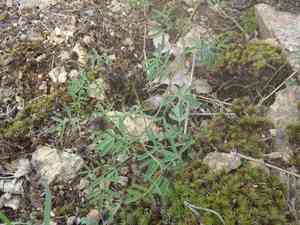
Sixweeks prairie clover (Dalea polygonoides)
Also known as: Polygonal Prairie Clover, Wild Buckwheat Dalea
The Sixweeks prairie clover (Dalea enneandra) is remarkably well-adapted to arid environments. Its slender, linear leaves reduce water loss, aiding in its survival under dry conditions. The plant features bright purple or violet flowers arranged in spike-like clusters, providing a striking visual in dry landscapes. Its extensive root system allows it to tap into deep soil moisture, ensuring it remains hardy even in challenging conditions.
In This Article
Attributes of Sixweeks prairie clover
Lifespan
Annual
Plant Type
Herb, Shrub
Plant Height
12-24 inches (30-60 cm)
Spread
Varies, usually around 12 inches
Leaf Color
Green
Flower Size
0.5-1 inch (1.2-2.5 cm)
Flower Color
Purple
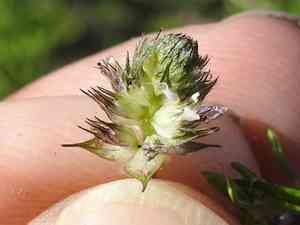
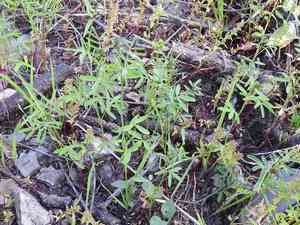
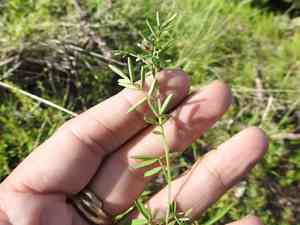
Images of Sixweeks prairie clover
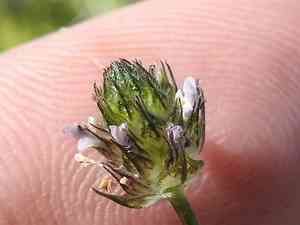
Quickly Identify Sixweeks prairie clover
1
You can identify Dalea polygonoides by its slender stems, compound leaves with numerous small leaflets, and clusters of purple flowers. The flowers are typically arranged in cylindrical spikes that are quite distinctive.
Scientific Classification of Sixweeks prairie clover
Phylum
Vascular plants
Class
Dicotyledons
Order
Fabales
Family
Legume
Genus
Prairie clover
Species
Sixweeks prairie clover
Planting and Growing of Sixweeks prairie clover
Care Difficulty
Moderate
Watering Schedule
Every 2 days
Sunlight Requirements
Full sun
Sunshine Duration
4-8 hours
Ideal Temperature
68-77℉
Soil Type
Potting Mix, Peat Mix
Soil pH
6.5-7.5
Fertilizer Type
Balanced
Pruning Season
Spring, Summer
Pruning Area
Branches, Leaves
Pruning Frequency
2 times a year
Repotting Season
Spring
Pot Type
Plastic, Ceramic
 How to Water Sixweeks prairie clover?
Dalea polygonoides prefers moderate watering. Be sure to pour about 250ml of water each time, ensuring the soil is moist but not waterlogged. You want to soak the top inch of the soil thoroughly; however, excess water should freely drain from the bottom of the pot to avoid waterlogging.
What are the symptoms of an underwatered Sixweeks prairie clover?
›
What should I do if my Sixweeks prairie clover is not getting enough water?
›
What are the symptoms of an overwatered Sixweeks prairie clover?
›
How to save an overwatered Sixweeks prairie clover?
›
 What Are the Sunlight Requirements for Sixweeks prairie clover?
Dalea polygonoides prefers conditions ranging from partial to full sun. Ideal light exposure enhances its growth rate, supports more prolific blooming, and results in denser foliage.
What are the optimal light conditions for Dalea polygonoides?
›
How can you ensure Dalea polygonoides receives ideal light?
›
What benefits does Dalea polygonoides gain from ideal lighting?
›
 What Is the Ideal Temperature Range for Sixweeks prairie clover?
For Dalea polygonoides to thrive, it is best maintained in a temperature range of 68 to 77 degrees Fahrenheit. This range provides the optimal environment for photosynthesis and metabolic activities, enabling robust growth and vitality.
 What Soil is Best for Sixweeks prairie clover?
Dalea polygonoides thrives in well-drained soil to prevent root rot. Good drainage ensures the roots receive sufficient oxygen, preventing potential diseases. While not overly demanding, Dalea polygonoides benefits from moderately rich soils that can provide essential nutrients, aiding in robust growth and vibrant flowering. Optimal moisture levels are crucial. The soil should retain some moisture but not remain waterlogged, ensuring the plant can absorb necessary water without root damage.
 How to Fertilize Sixweeks prairie clover?
For Dalea polygonoides, the amount of fertilizer needed is relatively low because it is adapted to thrive in nutrient-poor soils. Liquid fertilizers should be diluted to half the recommended strength to avoid nutrient burn. Each application should be sufficient to lightly moisten the soil without causing runoff.
 How to Prune Sixweeks prairie clover?
Begin pruning in early spring before new growth starts. Using sharp, sterilized pruning shears, remove dead or damaged stems first. Next, trim back excessively long branches to maintain a compact shape. Focus on cutting back to a node or a pair of leaves to promote fuller growth. In summer, perform light pruning mainly to shape the plant and remove any stray shoots.
More About Pruning Techniques→
 How to Propagate Sixweeks prairie clover plant?
1
Start by scarifying the seeds, which involves scratching the hard seed coat to facilitate water absorption. This step is crucial for increasing the germination rate of Dalea polygonoides.
2
Select healthy, non-flowering stems for cuttings, ideally around 4-6 inches in length. Cut just below a node using sterilized pruning shears, which promotes successful rooting.
3
Gently dig up a mature plant and separate its root clumps into smaller sections, ensuring each division has enough roots and shoots for successful reestablishment.
 How to Repot Sixweeks prairie clover plant?
1
Dalea polygonoides typically signals the need for repotting when you notice roots beginning to crowd the surface or escape through drainage holes. Another key indicator is slowed growth despite regular care. Spring is the ideal time for this operation as the plant is entering its growth phase, making it more resilient to the stress of transplanting.
2
Selecting the right pot involves picking one that is slightly larger than the current pot to allow room for growth. Ensure it has ample drainage holes to prevent waterlogging, which can lead to root rot. The right pot will support healthy development and help maintain the required moisture balance.
3
For Dalea polygonoides, a well-draining sandy soil mix is crucial. This kind of soil prevents water retention that can lead to root rot, mimicking its natural habitat. It will provide the plant with the necessary drainage and aeration, ensuring its roots remain healthy and robust.
Learn More About Sixweeks prairie clover Diseases
Anthracnose
Bacterial Leaf Spot
Bacterial Wilt
Crown Gall
Cyst Nematode
Damping-off
Downy Mildew
Drought Stress
Fusarium Wilt
Gray Mold
Leaf Curl
Leaf Spot
Mosaic
Nutrient Deficiency
Nutrient Toxicity
Powdery Mildew
Root Rot
Root-knot Nematode
Rusts
Sooty Mold
Spider Mites
Temperature Stress
Thrips Damage
White Mold
Chemical Injury



