How to Transplant Purpletassels?
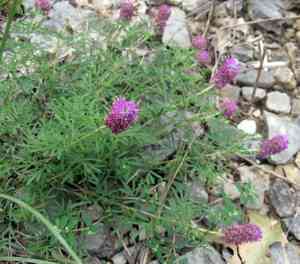
Purpletassels flourishes when relocated from the beginning to the end of spring, benefiting from ideal growing circumstances. Select a bright, adequately drained spot. Limiting disruption is crucial for successful establishment.
What Preparations are Necessary Before Relocating Purpletassels?
What is the Ideal Time for Relocating Purpletassels?
The prime period for moving purpletassels, a perennial, spans from early to late spring. During this interval, the ground is warming, and there's sufficient moisture, fostering robust root development. Moving purpletassels in spring guarantees quicker adaptation, leading to more vibrant and vigorous growth throughout the season.
How Much Space Should You Allow Between Purpletassels Plants?
Ensure you position each purpletassels plant 18-24 inches (45-60 cm) apart. This will provide them ample room to develop and flourish, preventing overcrowding issues.
What is the Best Soil Mixture for Purpletassels Relocation?
Prepare soil that drains well, ideally a sandy or loamy type, to ensure healthy development. Incorporating a balanced, slow-release fertilizer at the base will supply vital nutrients as your purpletassels plant establishes itself.
Where Should You Move Your Purpletassels?
Select a sunny location for your purpletassels to thrive. They require full sun, so confirm the spot receives at least 6-8 hours of daily sunlight.
What Equipment Should You Prepare Before Moving Purpletassels?
Gardening Gloves
To safeguard your hands while handling soil and plants.
Shovel or Spade
For excavating the plant from its initial spot and creating a hole for replanting.
Trowel
Useful for digging smaller holes and working in confined areas.
Watering Can or Hose
To hydrate the plant before and after relocation.
Pruners
For trimming any damaged roots or stems.
Wheelbarrow or Bucket
To transport the purpletassels from its original position to the new planting site.
How Do You Extract Purpletassels from the Soil?
How Do You Extract Purpletassels from the Soil?
From Ground: First, moisten the purpletassels plant to dampen the soil. Then, dig a wide trench around the plant using a shovel or spade, ensuring the plant's root ball remains intact. Carefully work the spade beneath the root ball to lift the plant from its initial location.From Pot: Thoroughly water the purpletassels plant. Gently tap around the pot to loosen the soil. Hold the plant at its base and tilt the pot, carefully easing the plant out. Be careful not to harm the roots.From Seedling Tray: Water the purpletassels seedlings. Use a trowel or a small tool to gently lift each seedling from underneath, ensuring the root system stays intact.
Step-by-Step Guide for Relocating Purpletassels
Site Preparation
Prepare the new planting location by digging a hole that is twice as wide and slightly deeper than the root ball of your purpletassels.
Soil Preparation
Loosen the soil at the bottom of the hole and incorporate some organic matter to assist root growth.
Planting
Position the purpletassels plant in the hole, ensuring it sits at the same depth it was previously growing. Fill in around the root ball with soil, gently pressing down to remove air pockets.
Watering
After planting, thoroughly water the purpletassels to settle the soil around the roots. Continue to water consistently over the next few weeks.
Mulching
Apply a layer of mulch around the base of the purpletassels to retain moisture and regulate soil temperature.
How Do You Care For Purpletassels After Relocation?
Watering
Keep the soil around the purpletassels consistently moist, but not waterlogged, for the first few weeks after relocation to help establish strong roots.
Pruning
Remove any damaged or dead stems to encourage healthy growth and reduce stress on the plant.
Monitoring
Keep an eye out for any indications of relocation shock, such as wilting or yellowing leaves, and take appropriate action, such as adjusting watering practices.
Fertilization
After a few weeks, consider applying a balanced fertilizer to encourage robust growth and flowering.
Troubleshooting Common Issues with Purpletassels Relocation.
When is the best time to relocate purpletassels?
The optimal season for relocating purpletassels is from early to late spring for best results.
How far apart should I space purpletassels plants?
Space purpletassels plants 18-24 inches (45-60 cm) apart to allow for healthy growth.
Why are my purpletassels plants wilting after relocating?
Wilting often occurs due to relocation shock. Ensure adequate watering and avoid extreme temperatures.
What soil type is best for relocating purpletassels?
Use well-draining soil rich in organic matter for a successful relocation of purpletassels.
How deep should I plant purpletassels during relocation?
Plant purpletassels at the same depth as it was previously growing to prevent root stress.
How should I water purpletassels after relocating?
Keep the soil evenly moist but not waterlogged. Water deeply to establish strong roots.
Do I need to fertilize purpletassels after relocating?
Fertilize lightly with a balanced fertilizer a few weeks after relocating to support growth.
How do I handle purpletassels's roots during relocating?
Handle the roots gently to avoid damage. Trim any broken or tangled roots before planting.
Is mulching necessary after relocating purpletassels?
Mulching helps retain moisture and control weeds. Apply a 2-3 inch (5-7.5 cm) layer of mulch.
What should I do if purpletassels shows signs of relocation shock?
Provide consistent water, shade if necessary, and avoid fertilizing immediately to help purpletassels recover.



