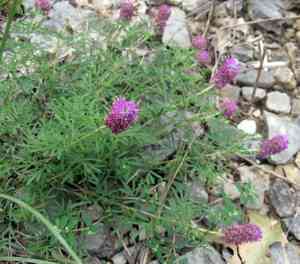
Purpletassels (Dalea gattingeri)
Also known as: Gattinger's Prairie Clover
The plant in question is a perennial known for its summer-blooming purple flowers. It releases allelopathic chemicals that hinder the growth of nearby species, including *Minuartia patula*.
In This Article
Attributes of Purpletassels
Lifespan
Perennial
Plant Type
Herb
Plant Height
15 cm to 30 cm
Spread
Not typically measured as it is a herbaceous plant with individual stems.
Leaf Color
Green
Flower Size
0.25 - 0.5 inches (0.6 - 1.3 cm)
Flower Color
Pink to purple
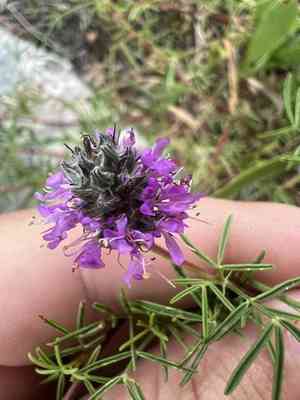
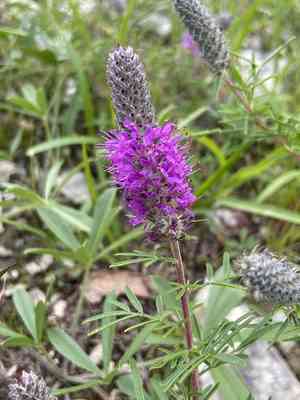
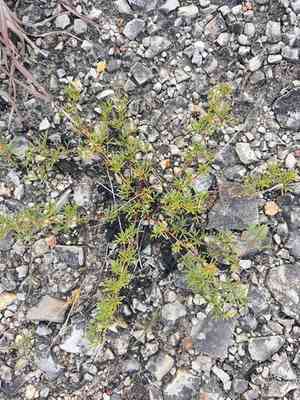
Images of Purpletassels
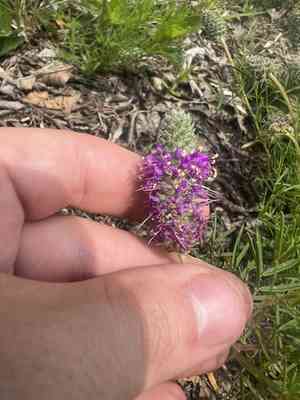
Quickly Identify Purpletassels
1
To identify Dalea gattingeri, look for its distinctive compound leaves with small, narrow leaflets and dense spikes of pink to purple flowers. It typically grows in dry, open habitats such as prairies and glades.
Scientific Classification of Purpletassels
Phylum
Vascular plants
Class
Dicotyledons
Order
Fabales
Family
Legume
Genus
Prairie clover
Species
Purpletassels
Planting and Growing of Purpletassels
Care Difficulty
Hard
Watering Schedule
Every 2 days
Sunlight Requirements
Full sun
Sunshine Duration
4-6 hours
Ideal Temperature
68-77℉
Soil Type
Potting Mix, Peat Mix
Soil pH
6.5-7.5
Fertilizer Type
Balanced
Pruning Season
Spring, Summer
Pruning Area
Branches, Leaves
Pruning Frequency
Once a year
Repotting Season
Spring
Pot Type
Plastic, Ceramic
 How to Water Purpletassels?
Dalea gattingeri requires moderate watering, typically around 250 milliliters per session. The goal is to keep the soil moist but not soggy. Always check the top inch of soil; it should be dry before the next watering. This plant thrives on the careful balance of water and should never sit in standing water.
What are the symptoms of an underwatered Purpletassels?
›
What should I do if my Purpletassels is not getting enough water?
›
What are the symptoms of an overwatered Purpletassels?
›
How to save an overwatered Purpletassels?
›
 What Are the Sunlight Requirements for Purpletassels?
Full sun exposure ensures Dalea gattingeri can flourish. Such conditions promote optimal photosynthesis, which leads to healthy development and prolific flowering.
What is the best light condition for Dalea gattingeri?
›
How can I achieve the ideal light for Dalea gattingeri?
›
What are the benefits of ideal light conditions for Dalea gattingeri?
›
 What Is the Ideal Temperature Range for Purpletassels?
The ideal temperature range for Dalea gattingeri is 68°F to 77°F. This range allows for optimal growth and flowering. The plant prefers mild, stable temperatures for maximum health and development, ensuring robust biomass and vibrant blooms.
 What Soil is Best for Purpletassels?
Dalea gattingeri thrives in well-drained soils which prevent waterlogging and root rot. It's essential for maintaining the root health and overall vitality of the plant. The plant requires soil with moderate fertility, which provides sufficient nutrients for growth while avoiding excessive nutrient levels that can harm the plant. Dalea gattingeri flourishes best in soils with a pH range of 6.5 to 7.5, ensuring optimal nutrient uptake and balanced soil chemistry.
 How to Fertilize Purpletassels?
For Dalea gattingeri, apply a balanced liquid fertilizer diluted at half strength. Use approximately 10 ml of diluted solution per plant for each application. This amount ensures that the plant receives adequate nutrients without risk of over-fertilization.
 How to Prune Purpletassels?
Start by examining the plant for any dead or dying branches. Removing these helps redirect energy and resources to healthier parts of the plant, boosting overall vitality. After removing dead branches, focus on shaping the plant. Trim selectively to maintain a rounded shape, which enhances its aesthetic appeal and promotes even sunlight penetration.
 How to Propagate Purpletassels plant?
1
Begin by filling seed trays with a well-draining potting mix. Sow the seeds evenly on the surface and cover lightly with soil. Keep the soil moist and place the trays in a warm location.
2
Select healthy, disease-free stems from the mother plant. Using pruning shears, cut a 3-6 inch section just below a leaf node. Remove any foliage from the bottom half of the cutting.
3
Dip the cut end of the cutting in rooting hormone powder. Insert the cutting into a pot filled with moist potting mix. Maintain high humidity by covering with a plastic dome or bag.
 How to Repot Purpletassels plant?
1
Repotting should be considered when you notice that Dalea gattingeri is becoming root-bound, which means roots are growing out from the drainage holes and encircling the pot. Spring and early summer are the ideal times for repotting because the plant is in its active growth phase, allowing it to recover quickly from the stress of repotting.
2
Select a pot that is slightly larger than the current one, allowing about two inches of extra room for root growth. This prevents the plant from being waterlogged while ensuring that it has enough space to develop a strong root system. Opt for pots with drainage holes to prevent water from accumulating at the bottom, which can lead to root rot.
3
Use a well-draining sandy soil mix, as this type of soil mimics the natural habitat of Dalea gattingeri, helping prevent overwatering issues. A mix that includes perlite or coarse sand is ideal, as it promotes aeration and drainage, vital for the healthy growth of this plant.
Learn More About Purpletassels Diseases
Anthracnose
Bacterial Leaf Spot
Bacterial Wilt
Crown Gall
Cyst Nematode
Damping-off
Downy Mildew
Drought Stress
Fusarium Wilt
Gray Mold
Leaf Curl
Leaf Spot
Mosaic
Nutrient Deficiency
Nutrient Toxicity
Powdery Mildew
Root Rot
Root-knot Nematode
Rusts
Sooty Mold
Spider Mites
Temperature Stress
Thrips Damage
White Mold



