How to Transplant Longbract frog orchid?
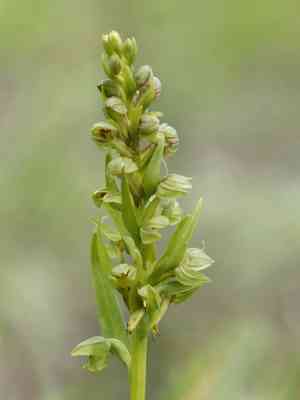
The ideal window for relocating longbract frog orchid extends from the onset of early spring through the peak of late spring, as these seasons ensure superior root integration. When moving longbract frog orchid, select a location featuring damp, adequately draining soil and dappled sunlight to replicate its native environment. Careful handling and minimal disruption to the root system are crucial for a prosperous transfer.
What Preparations are Needed Before Transplanting Longbract Frog Orchid?
What is the Ideal Time for Transplanting Longbract Frog Orchid?
The optimal period to relocate longbract frog orchid is during its revitalization phase, from early to late spring. This season provides an ideal environment for growth, as warmer temperatures and increased daylight align with longbract frog orchid's natural cycle for root establishment. Spring's mild climate allows the newly moved longbract frog orchid to adapt smoothly, with the soil being adequately thawed but not excessively warm, thus encouraging strong root development without immediate stress from summer heat. Furthermore, transplanting longbract frog orchid at this time leverages the peak of spring's moisture, creating conditions that aid in recovery from any transplant shock. By moving longbract frog orchid in the spring, you ensure it has the entire growing season ahead to strengthen and thrive, making it a strategic choice for promoting long-term health.
How Much Space Should You Leave Between Longbract Frog Orchid Plants?
When getting ready to transplant your longbract frog orchid, aim for appropriate spacing! Provide each seedling with approximately 6-12 inches (15-30 cm) of room. This ensures they have sufficient space to flourish and develop without competing for nutrients.
What is the Best Soil Mix for Longbract Frog Orchid Transplanting?
Your longbract frog orchid will thrive in a well-draining soil mixture, rich in organic material. Consider preparing the bed with a balanced, slow-release fertilizer to give your plants an excellent start. Loamy soil is perfect, but adding compost can enhance your current soil's quality.
Where Should You Relocate Your Longbract Frog Orchid?
Choose a location for your longbract frog orchid where the sunlight is gentle, not too intense. Partial shade with filtered sunlight is ideal, mimicking the light beneath a tree canopy. Just enough sun to enjoy, without the harshness of midday.
What Equipments Should You Prepare Before Transplantation Longbract Frog Orchid?
Gardening Gloves
To safeguard your hands while handling soil and plants.
Shovel or Spade
For excavating the plant from its original spot with minimal root disturbance.
Garden Fork
To loosen the soil around the plant's root area without causing significant damage to the roots.
Trowel
To dig smaller holes or refine the new planting site.
Watering Can or Hose
For hydrating the plant before and after the relocation process.
Wheelbarrow
For moving the plant and soil if necessary.
Pruning Shears
To trim any damaged roots or leaves prior to transplanting.
How Do You Remove Longbract Frog Orchid from the Soil?
How Do You Remove Longbract Frog Orchid from the Soil?
From Ground: Water the longbract frog orchid plant to moisten the soil, making extraction easier. Use a shovel or garden fork to carefully dig around and beneath the root ball. Gently lift the plant, ensuring the root ball remains intact.From Pot: Water the longbract frog orchid thoroughly until the soil is damp. Turn the pot on its side and gently tap the edges to loosen the root ball. Carefully slide the plant out while supporting the root ball.From Seedling Tray: Water the seedlings to ensure the roots are moist and flexible. Use a trowel or a small tool to slowly lift each individual longbract frog orchid seedling, being careful not to harm the delicate roots.
Step-by-Step Guide for Transplanting Longbract Frog Orchid
Preparation
Water the longbract frog orchid before beginning the transplant process to lessen stress and hydrate the roots.
Digging the Hole
Excavate a hole in the ground that is twice the size of the root ball. This provides ample space for the roots to spread.
Root Inspection
Examine the root ball for any indications of disease or damage. Use pruning shears to trim any unhealthy roots.
Placing the Plant
Carefully position the longbract frog orchid into the hole. The top of the root ball should be level with the surrounding soil surface.
Filling the Hole
Backfill the hole with the excavated soil, gently firming around the roots to eliminate air pockets.
Watering
After planting, water the longbract frog orchid thoroughly to settle the soil and help reduce transplant shock.
How Do You Care For Longbract Frog Orchid After Transplanting?
Initial Watering
Water the longbract frog orchid deeply immediately after transplanting to help settle the soil.
Regular Monitoring
Check the longbract frog orchid frequently for the first few weeks to ensure the soil stays moist, providing additional water during dry periods.
Mulching
Apply a layer of mulch around the base of the longbract frog orchid to retain soil moisture and regulate soil temperature.
Staking
If the longbract frog orchid is tall or top-heavy, consider staking for extra support.
Troubleshooting Common Issues with Longbract Frog Orchid Transplantation.
What's the best time of year to transplant longbract frog orchid?
The optimal season to relocate longbract frog orchid is from early spring to late spring when growth is most active.
How much space does longbract frog orchid need when transplanting?
Ensure a spacing of about 6-12 inches (15-30 cm) between plants to allow for proper growth.
Should I water longbract frog orchid immediately after transplanting?
Yes, water longbract frog orchid gently to help settle the soil around the roots and alleviate transplant shock.
How deep should I plant the longbract frog orchid tubers?
Plant the tubers so that the top is just covered with soil, no deeper than 1 inch (2.5 cm).
Why are my transplanted longbract frog orchids wilting?
Wilting could indicate transplant shock. Ensure proper watering, shade from strong sun, and avoid deep planting.
Can I fertilize longbract frog orchid after transplanting?
Wait a few weeks before fertilizing to avoid burning the roots; then use a balanced, gentle fertilizer.
Is it okay to transplant longbract frog orchid on a sunny day?
Overcast days are best for transplanting to reduce stress; if sunny, transplant during cooler morning hours.
How do I prepare the soil before transplanting longbract frog orchid?
Work the soil well to loosen it and mix in organic matter to improve fertility and drainage.
What should I do if the leaves of longbract frog orchid turn yellow after transplanting?
Yellowing may be a sign of overwatering or poor drainage. Check soil moisture and adjust watering.
How can I protect newly transplanted longbract frog orchid from pests?
Monitor regularly for pests and use environmentally friendly pesticides or natural predators as needed.



