How to Transplant Brittle bladderfern?
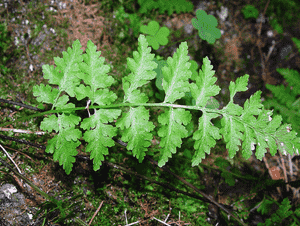
The ideal period for transplanting brittle bladderfern spans from early spring's onset through the gentle warmth of late spring, facilitating a smooth adjustment. Select a shaded location with moist earth and carefully position brittle bladderfern, preserving its delicate root system for peak development.
Essential Preparations Before Relocating Brittle Bladderfern
Optimal Period for Relocating Brittle Bladderfern?
The ideal time for moving brittle bladderfern extends from early spring's awakening until the onset of summer's warmth. During this period of renewal, the soil is adequately moist yet warming, creating perfect conditions for root development. This timing allows brittle bladderfern to harness the burst of growth energy, providing it with the best chances for recovery and flourishing in its new spot. The favorable climate of gentle sunlight and ample rainfall during this season acts as a nurturing environment for brittle bladderfern, easing its transition and promising a vibrant display of foliage in your garden.
Recommended Spacing Between Brittle Bladderfern Plants?
When arranging your brittle bladderfern, aim for a distance of approximately 12 inches (30 cm) to 3 feet (91 cm) between plants. This spacing ensures each plant has ample room to develop fully and spread its delicate fronds without becoming overcrowded.
Preferred Soil Mixture for Brittle Bladderfern Relocation?
Prepare a site with fertile, well-draining soil and incorporate some compost or a balanced, slow-release fertilizer to give your brittle bladderfern an excellent start. Loosen the soil to facilitate easy root establishment.
Optimal New Location for Your Brittle Bladderfern?
Select a spot that provides partial to full shade for your brittle bladderfern, as excessive direct sunlight can be detrimental. An area that mimics its natural woodland habitat would be perfect, offering filtered sunlight.
Tools Required Before Transplanting Brittle Bladderfern?
Gardening Gloves
To safeguard your hands while handling soil and plants.
Shovel or Spade
For excavating the plant and preparing the new planting site.
Watering Can or Hose
To hydrate brittle bladderfern before and after the move.
Pruners
To trim any damaged roots or foliage.
Wheelbarrow or Plant Tray
To move brittle bladderfern from its original spot to the new planting area.
Organic Mulch
For applying around brittle bladderfern after transplanting to help retain moisture and regulate soil temperature.
How to Extract Brittle Bladderfern from the Ground?
How to Extract Brittle Bladderfern from the Soil?
from ground: First, water brittle bladderfern to moisten the soil. Then, dig a wide trench around the plant using a shovel or spade, ensuring the root ball remains intact. Gently work the spade beneath the root ball to carefully lift the plant.from pot: Begin by watering brittle bladderfern in its current container to facilitate removal. Tilt the pot sideways and gently tap to loosen the soil. Place your hand over the plant's base, invert the pot, and carefully slide out the root ball.from seedling tray: Water the cells to make the soil damp, then use a spoon or a small stick to gently lift the seedling by carefully separating soil from the root zone to prevent damage.
Step-by-Step Guide for Relocating Brittle Bladderfern
Preparation
Examine brittle bladderfern for any indications of disease or pests and treat if necessary before transplanting to prevent spreading issues to the new location.
Digging the Hole
Excavate a hole in the ground that is twice as wide and the same depth as the root ball of brittle bladderfern. This will provide the roots with ample space to spread out.
Transplanting
Position brittle bladderfern in the center of the hole. The root ball should be level with the surrounding ground. Backfill the hole with soil, gently tamping down to ensure there are no air pockets.
Watering
Water brittle bladderfern thoroughly after transplanting to settle the soil around the roots and aid in recovery from the shock of relocation.
Stabilizing
If brittle bladderfern is tall or top-heavy, provide support with a stake or plant supports until it establishes roots and can stand independently.
Post-Transplant Care for Brittle Bladderfern
Immediate Watering
After relocating, water brittle bladderfern generously to assist in its recovery from transplant shock.
Mulching
Apply a layer of organic mulch around the base of brittle bladderfern to conserve moisture and inhibit weed growth.
Monitoring
Observe brittle bladderfern for signs of stress such as wilting or discolored leaves and promptly provide water or shade if needed.
Regular Watering
Water brittle bladderfern consistently, especially during dry periods, ensuring the roots receive adequate moisture to become well-established.
Resolving Common Issues with Brittle Bladderfern Relocation.
When is the best time to move brittle bladderfern?
Relocate brittle bladderfern during early to late spring when the weather encourages root establishment.
What distance should I maintain between brittle bladderfern when moving them?
Position brittle bladderfern 12 inches to 3 feet (approximately 30 cm to 91 cm) apart to allow for growth.
Should brittle bladderfern be moved to a sunny or shady spot?
Move brittle bladderfern to a location that offers partial to full shade for optimal growth.
What kind of soil is ideal when relocating brittle bladderfern?
Use well-drained, rich, and moist soil for relocating brittle bladderfern to ensure healthy growth.
How deep should the hole be for moving brittle bladderfern?
Dig a hole that is twice as wide and the same depth as brittle bladderfern's root ball.
How much should I water brittle bladderfern after moving?
Water brittle bladderfern generously after moving to settle the soil and eliminate air pockets.
What is the correct way to handle brittle bladderfern during relocation?
Gently remove brittle bladderfern from its current spot, keeping the root system intact to prevent stress.
Can I fertilize brittle bladderfern immediately after moving?
Wait a few weeks before fertilizing to avoid burning the roots of brittle bladderfern.
Is it necessary to mulch around brittle bladderfern after moving?
Applying mulch helps retain moisture, regulates soil temperature, and reduces weed competition for brittle bladderfern.
How do I identify if brittle bladderfern is experiencing transplant shock?
Signs of transplant shock include wilting, yellowing leaves, and stunted growth in brittle bladderfern.



