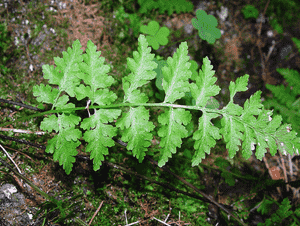
Brittle bladderfern (Cystopteris fragilis)
Also known as: Common fragile fern
Brittle bladderfern, or Cystopteris fragilis, is commonly found globally in cool, shaded environments. It thrives in moist, rocky crevices and forested regions, often forming small clumps from rhizomes. The plant includes both sterile and fertile individuals.
In This Article
Attributes of Brittle bladderfern
Lifespan
Perennial
Plant Type
Herb
Plant Height
91 cm
Spread
90 cm to 1.2 m
Leaf Color
Green Gray
Flower Size
N/A
Flower Color
N/A
Images of Brittle bladderfern
Quickly Identify Brittle bladderfern
1
Twice pinnate leaves up to 1.5 feet (45 cm) in length
2
Compact, dense rhizome with spreading growth habit
3
Delicate, feathery appearance due to divided leaflets
4
Fleshy petioles providing strong leaf support
5
Clearly defined veins for efficient nutrient transport
Scientific Classification of Brittle bladderfern
Phylum
Vascular plants
Class
Ferns
Order
Polypodiales
Family
Cystopteridaceae
Genus
Bladderferns
Species
Brittle bladderfern
Planting and Growing of Brittle bladderfern
Care Difficulty
Easy
Watering Schedule
Every 3 days
Sunlight Requirements
Partial sun
Sunshine Duration
6-10 hours
Ideal Temperature
60-75℉
Soil Type
Potting Mix, Peat Mix
Soil pH
6.5-7.5
Fertilizer Type
Balanced
Pruning Season
Spring, Summer
Pruning Area
Branches, Leaves
Pruning Frequency
2 times a year
Repotting Season
Spring
Pot Type
Plastic, Ceramic
 How to Water Brittle bladderfern?
For Cystopteris fragilis, ensure the soil remains consistently moist but not waterlogged. Water the plant evenly, aiming for around 150 ml, just enough to reach the root zone without leaving excess water in the saucer.
What are the symptoms of an underwatered Brittle bladderfern?
›
What should I do if my Brittle bladderfern is not getting enough water?
›
What are the symptoms of an overwatered Brittle bladderfern?
›
How to save an overwatered Brittle bladderfern?
›
 What Are the Sunlight Requirements for Brittle bladderfern?
Partial sun to full shade provides Cystopteris fragilis with a balance of diffused light that optimizes growth and maintains vibrant, healthy foliage.
More About Sunlight Requirements Techniques→
What is the ideal light exposure for Cystopteris fragilis?
›
How can I create these conditions indoors?
›
Why is this light balance important for the plant?
›
 What Is the Ideal Temperature Range for Brittle bladderfern?
Cystopteris fragilis thrives best within a temperature range of 60°F to 75°F. During this range, it can maximize its photosynthesis process while avoiding stress-induced reactions that can impact growth and health.
 What Soil is Best for Brittle bladderfern?
Cystopteris fragilis thrives in well-drained soil to prevent root rot. The friable nature of loam and sandy loam ensures excess water doesn't stagnate, effectively supporting healthy root growth and overall plant vitality. Rich in organic matter, loam soil offers Cystopteris fragilis essential nutrients. This nutrient sufficiency is crucial for vibrant foliage and robust growth, allowing the fern to exhibit its delicate fronds beautifully. The ability to retain moderate moisture without becoming waterlogged makes calcareous soil ideal. This balance is essential for fern species like Cystopteris fragilis, ensuring they remain hydrated yet not drowned.
 How to Fertilize Brittle bladderfern?
For Cystopteris fragilis, fertilize lightly, using a quarter to half strength liquid fertilizer. This delicate fern does not require heavy feeding. Over-fertilization can harm its fragile fronds.
 How to Prune Brittle bladderfern?
Begin by removing any dead or discolored fronds from the base of the plant using sharp, clean scissors or pruners. Trim back any excessively long or damaged fronds to maintain a tidy appearance. Be gentle to avoid damaging the light, fragile stems. Ensure good air circulation by giving the plant enough space as you prune. Make your cuts at a 45-degree angle to promote healing and prevent disease.
More About Pruning Techniques→
 How to Propagate Brittle bladderfern plant?
1
Choose a robust and healthy parent plant for division. Ensure it has multiple vigorous crowns to increase your success rate.
2
Loosen the soil around the plant before extraction. This allows for easier removal of the plant and reduces root damage.
3
Use a sharp spade to carefully divide the root mass into smaller clumps, ensuring each new section has roots and leaves.
 How to Repot Brittle bladderfern plant?
1
Cystopteris fragilis shows signs of needing a new pot when its roots coil densely around the pot's base, emerging from drainage holes. Spring, with active growth beginning, is ideal for repotting, promoting swift adaptation.
2
Opt for a pot slightly larger than the current one, with excellent drainage. This space allows root growth without waterlogging, which can lead to root rot. A terracotta pot is a great choice, promoting breathability.
3
Choose a well-draining peat-based mix for repotting. This soil type mimics the plant's natural habitat, offering adequate moisture retention while preventing root rot. Incorporate perlite for added aeration.



